
The Anatomy of a Perfect Tile Floor
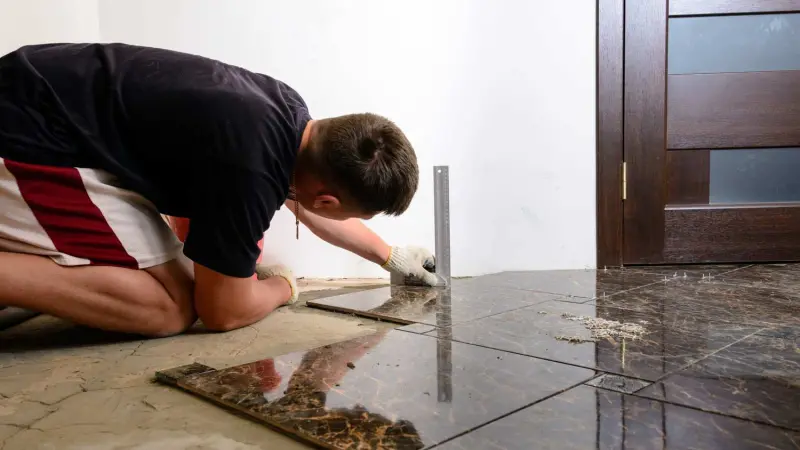
When I first slipped a single 12‑by‑12 porcelain square onto a kitchen subfloor, I realized that every tile project is a conversation between material, pattern, and the subtle physics of load‑bearing surfaces; the dialogue begins long before the first adhesive is spread, demanding a disciplined assessment of substrate flatness, moisture barriers, and expansion joint placement that few DIY guides honor. Understanding the subfloor’s story prevents the dreaded “telegraph” cracks that appear months later, because a level base distributes stress uniformly, allowing the grout matrix to act as a flexible cushion rather than a brittle seal. In my workshops I stress that this foundational work is not optional—it is the quiet hero that lets bold layouts like herringbone or chevron breathe without wobbling under foot traffic.
Choosing Tile That Works With Your Lifestyle
Tiles are often judged by their visual flair, yet the smartest homeowners prioritize performance criteria such as slip resistance, thermal conductivity, and resistance to staining, especially in high‑traffic zones where spills and pets are part of daily life; a high‑gloss ceramic might sparkle in a showroom, but its low coefficient of friction can become a hazard in a bustling family kitchen. By selecting a matte porcelain with a pet‑friendly tile solution, you gain a surface that repels moisture and hides scratches, while still offering the sophisticated palette you desire. Pairing these practical choices with strategic placement—like using textured tiles in entryways and smoother finishes in dining areas—creates a rhythm that supports both aesthetics and everyday durability.
Mastering Grout: The Unsung Hero
Grout often suffers the reputation of being the afterthought, yet it is the adhesive that holds the visual narrative together, and its formulation determines how a floor will age under temperature swings, humidity, and footfall; epoxy‑based grout, for instance, offers superior resistance to stains and cracking compared to traditional cement mixes, but demands meticulous surface preparation and a higher skill ceiling. When mixing grout, I advise a “slow‑pour” technique: add water incrementally, stirring gently to avoid air pockets, then let the blend sit for a minute to achieve a creamy consistency that spreads evenly without pulling at the tile edges. Finally, seal the cured grout with a penetrating sealant to lock out moisture, a step that can extend the floor’s pristine look by years, especially in moisture‑prone bathrooms.
Designing Layouts That Amplify Space
Small rooms often feel cramped, but clever tile geometry can transform perception, turning a modest bathroom into an illusion of depth; by aligning rectangular tiles lengthwise with the longest wall, you draw the eye outward, while diagonal patterns inject dynamic movement that distracts from limited square footage. I love the subtle power of a staggered “running bond” layout, which not only breaks up monotony but also distributes weight more evenly across the substrate, reducing the likelihood of tile pop‑off under heavy loads. When planning a layout, always sketch a full‑scale mock‑up on paper or using a digital planner, then tape the design onto the floor with painter’s tape to preview the visual flow before committing to cuts.
Integrating Heated Floors Without Overheating
Radiant floor heating has become a hallmark of modern comfort, yet the integration of heat with tile must be approached with scientific precision to avoid thermal shock or excessive energy draw; the key lies in selecting tiles with a low thermal resistance, such as large‑format porcelain, which conducts heat efficiently, and pairing them with a well‑designed electric or hydronic system that respects the manufacturer’s temperature limits. I routinely reference the guidelines in Why Floor Heating Is the Quiet Luxury Your Home Craves to determine ideal spacing of heating cables and the necessary insulation beneath the subfloor. Properly calibrated, a heated tile floor delivers consistent warmth without hot spots, turning chilly mornings into a gentle, energy‑savvy embrace.
Balancing Sustainability with Style
Eco‑conscious homeowners no longer have to sacrifice design for responsibility; many manufacturers now produce tiles from recycled glass, reclaimed wood composites, and even upcycled ceramic waste, offering palettes that rival traditional quarry‑derived options while reducing carbon footprints. When evaluating sustainable options, consider the entire lifecycle—from extraction and manufacturing emissions to transportation distance and end‑of‑life recyclability—because a locally sourced reclaimed tile can have a far smaller environmental impact than a glossy imported marble that sits idle in a showroom. Pairing these greener choices with a sustainable flooring strategy ensures your project contributes positively to both indoor air quality and planetary health.
Preparing for the Unexpected: Moisture Management
Even the most beautiful tile can become a liability if hidden moisture infiltrates the substrate, leading to mold, tile lift, and costly remediation; the solution begins with a comprehensive moisture barrier system that includes a vapor‑retardant underlayment, sealed perimeter joints, and, when necessary, a drainage plane that directs water away from vulnerable areas. I always perform a simple “plastic sheet test” before installation: tape a clear sheet to the subfloor, leave it for 24 hours, then check for condensation, a reliable indicator of hidden humidity that could jeopardize the tile’s adhesion. By addressing moisture proactively, you safeguard the aesthetic integrity of the floor and protect the health of the household for decades.
Maintenance Routines That Preserve Longevity
Tile care is often reduced to occasional mopping, but a disciplined maintenance schedule can dramatically extend the life of both tile and grout, preserving color vibrancy and structural integrity; start with a pH‑neutral cleaner applied with a soft microfiber mop to avoid abrasive scratches, then follow with a weekly light polishing using a non‑abrasive pad to rejuvenate the surface sheen. For grout lines, a bi‑annual deep‑clean using a mild acid solution—such as diluted vinegar—breaks down mineral deposits without eroding the seal, while a quarterly reseal with a penetrating grout sealer reinforces water resistance. Consistency in these rituals prevents the slow, cumulative damage that turns a pristine floor into a faded backdrop.
Future‑Proofing Your Tile Investment
As technology reshapes home design, integrating smart features with tile surfaces is becoming a practical reality, from in‑floor Bluetooth speakers that hide beneath acoustic‑friendly tile mats to embedded LED strips that illuminate pathways without compromising the floor’s integrity; these innovations require careful planning to ensure that wiring and components do not interfere with expansion joints or compromise waterproofing. I recommend allocating a dedicated conduit channel beneath the subfloor during the initial build, allowing for seamless upgrades without invasive retrofits. By anticipating these future enhancements, you protect your financial investment and keep your home adaptable to emerging trends, ensuring the tile floor remains both functional and fashionable for years to come.

David MacKinnon is a dynamic freelance writer known for his captivating storytelling and keen insights into the world of technology. With a passion for exploring the intersection of innovation and everyday life, he crafts engaging narratives that not only inform but also inspire his readers.
Related Posts

Tiles as Data Hubs: Turning Floors into Smart, Sustainable Platforms
Discover the evolving role of tiles from decorative finishes to intelligent platforms that boost ene... Read More

The Green Revolution in Tiling: Sustainable Solutions for a Modern Home
The demand for sustainable tiling solutions is on the rise. Learn about the latest eco-friendly mate... Read More
When Tiles Talk: Turning Flooring into a Data Hub
A deep dive into intelligent tiling shows how embedded sensors, acoustic design, and recycled materi... Read More
Top Posts

When Your Fridge Talks: The Future of Appliance Repair
This article reveals the shift from reactive fixes to predictive, subscription‑based appliance repair, highlighting IoT sensors, AI diagnostics, and circular ...Read More
Transforming Your Basement Into a Health‑Focused Oasis
Learn practical steps to convert a neglected basement into a wellness hub, emphasizing air quality, natural light, biophilic elements, acoustic comfort, and int...Read More

Creating a Low‑Maintenance Native Landscape That Thrives in Urban Spaces
Learn step‑by‑step how to turn an ordinary city yard into a resilient, low‑maintenance native garden that conserves water, supports wildlife, and enhances...Read More

Digital Twin Energy Inspections: Real‑Time Building Insight
A digital twin turns static energy inspections into a live, data‑driven dialogue, enabling real‑time optimization, ESG reporting, and tenant comfort—all w...Read More
0 Comments
Post Comment
You will need to Login or Register to comment on this post!