
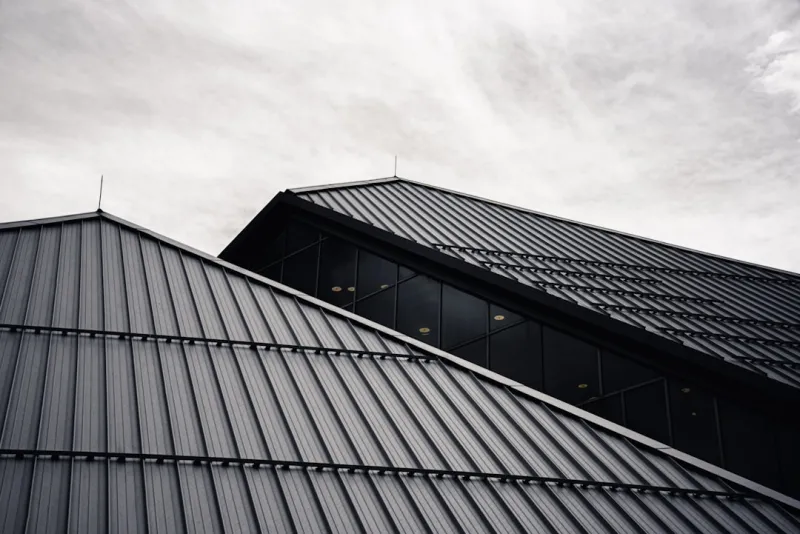
Why Roofing Is the Unsung Hero of Sustainable Home Design
When I first stepped onto a job site, the roof felt like the silent guardian of everything beneath it, and that realization has guided every decision I make now. A well‑engineered roof not only shields a home from the elements but also acts as a massive thermal regulator, cutting heating and cooling loads by up to 30% when paired with proper insulation. By treating the roof as a core component of a green envelope, homeowners can enjoy lower utility bills while reducing their carbon footprint.
Choosing Eco‑Friendly Materials Without Sacrificing Durability
Modern roofing materials have come a long way from the old, brittle asphalt shingles that dominated the market a decade ago, offering options that blend longevity with low environmental impact. Recycled metal panels, for instance, are not only highly reflective—reducing summer heat gain—but also contain up to 95% post‑consumer content, keeping valuable resources out of landfills. When I recommend these solutions, I always stress the importance of a reputable supplier to guarantee that the recycled content truly meets industry standards.
Designing for Energy Efficiency: The Role of Reflectivity and Ventilation
One of the most effective ways to boost a roof’s performance is to increase its solar reflectance, a metric often expressed as the “cool roof” rating. By selecting high‑albedo materials, a home can reflect a larger portion of sunlight, keeping attic temperatures up to 50°F lower than a standard roof. Coupled with a well‑planned ventilation system, this strategy reduces the reliance on air‑conditioning, translating into tangible savings on the electric bill.
Integrating Solar Power Without Compromising Aesthetics
Solar panels have shed their bulky, industrial look, and today they can blend seamlessly with a variety of roofing styles, from slate‑look tiles to standing‑seam metal. I often advise clients to choose solar shingles that double as roofing material, delivering a sleek appearance while generating clean electricity. This integration not only offsets energy consumption but also adds a premium resale value that savvy buyers recognize.
Water Management: From Rainwater Harvesting to Leak Prevention
Effective roofing goes beyond keeping water out; it can also capture and direct it for beneficial use. Installing a rainwater harvesting system beneath a sloped roof allows homeowners to collect water for irrigation or flushing toilets, dramatically reducing municipal water demand. Simultaneously, employing high‑quality underlayment and flashings ensures that the roof remains watertight, preventing costly leaks that can compromise structural integrity.
Smart Roof Technology: Sensors, Drones, and Predictive Maintenance
Advancements in IoT have introduced sensors that monitor roof temperature, moisture levels, and even wind stress in real time, sending alerts straight to a homeowner’s smartphone. I’ve seen drones replace risky ladder climbs for routine inspections, providing high‑resolution imagery that highlights problem areas before they become emergencies. This proactive approach extends the roof’s lifespan and aligns perfectly with a sustainable maintenance philosophy.
Cost‑Effective Upgrades: When to Repair, When to Replace
Not every aging roof needs a full replacement; sometimes a targeted repair can restore performance while conserving resources. I recommend a thorough assessment that weighs the remaining lifespan of existing materials against the environmental cost of manufacturing new ones. For minor issues, sealants and breathable membranes can provide a quick, eco‑friendly fix, whereas widespread deterioration may justify a full upgrade to a greener alternative.
Connecting Roofing Choices to Broader Sustainable Practices
Roofing decisions don’t exist in a vacuum; they tie directly into the overall sustainability strategy of a home. For example, pairing a cool roof with the insights from sustainable contracting can create a holistic approach that maximizes energy efficiency across the envelope. Similarly, integrating a well‑designed solar system complements the modern homeowner’s guide to sustainable windows and doors, ensuring that every component works in concert to reduce the building’s carbon footprint.
Future Trends: What’s Next for Green Roofing?
Looking ahead, I’m excited about emerging bio‑based roofing products derived from algae or agricultural waste, which promise carbon‑negative footprints while delivering impressive durability. Additionally, advances in nanocoatings could soon make roofs self‑cleaning and more resistant to UV degradation, further extending service life. As these innovations become mainstream, the next generation of homeowners will inherit roofs that are not only protective but also active participants in a healthier planet.

Paul Gray is a dynamic blogger based in Brampton, where he shares his life with his amazing wife, Sarah. Known for his engaging writing style and relatable insights, Paul has carved out a niche in the blogging world that resonates with readers from all walks of life. When he's not crafting captivating posts, you can find him savoring a cold beer or indulging in the latest blockbuster movie. With a friendly demeanor and a passion for storytelling, Paul brings a unique perspective to his work, making him not just a blogger, but a voice for those who appreciate the simple joys of life.
Related Posts
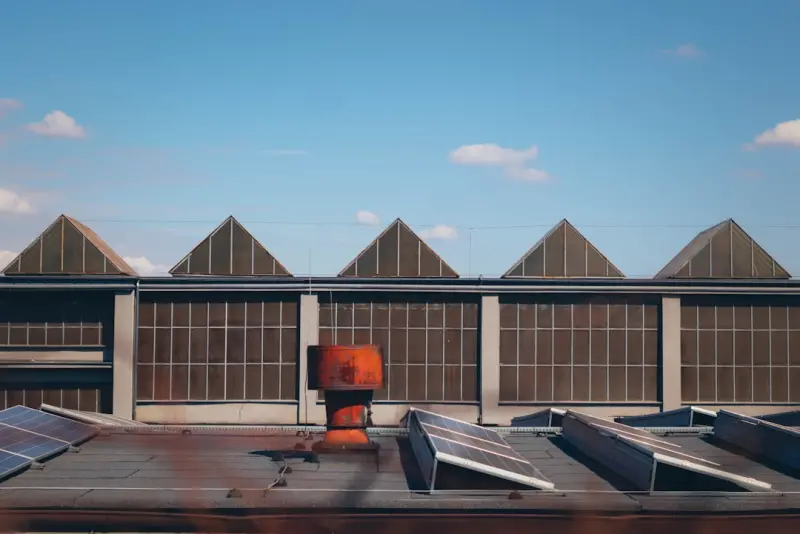
How Smart Sensors Are Turning Roofs into Predictive Assets
Roofing is evolving from a static shield to a data‑rich system. Learn how smart sensors monitor te... Read More
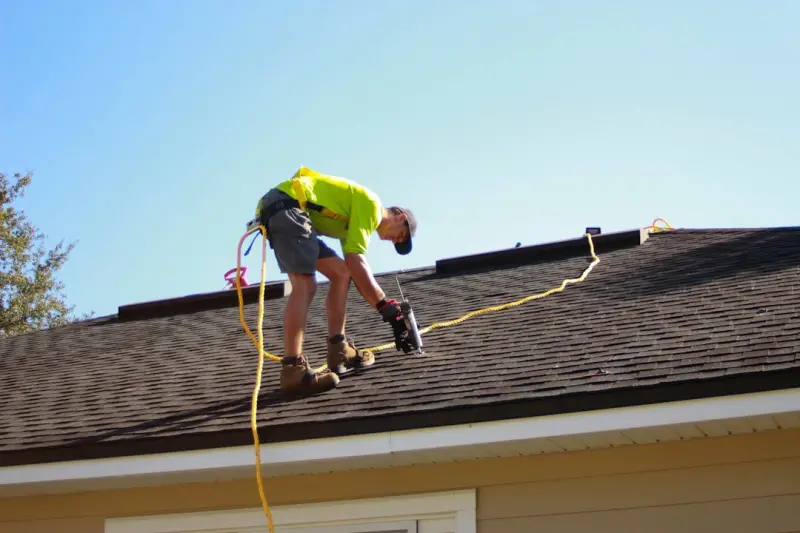
Rethinking Roof Care: From Reactive Fixes to Predictive Partnerships
Discover how a shift from emergency repairs to data‑driven, subscription‑based roof management c... Read More

From Concrete Jungle to Living Canopy: The Untapped Power of Green Roofs
Green roofs turn ordinary rooftops into thriving ecosystems that combat heat islands, manage stormwa... Read More
Top Posts

Why a Bathroom Should Feel Like a Personal Spa, Not Just a Functional Room
Why a Bathroom Should Feel Like a Personal Spa, Not Just a Functional Room When I first stepped into a newly‑renovated bathroom that looked more like a boutiq...Read More
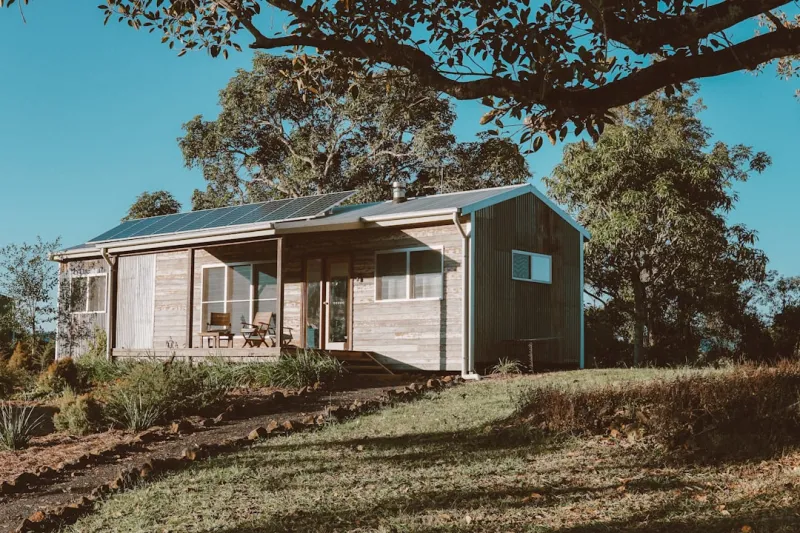
How I Turned My Home Into a Sustainable Smart Sanctuary
From energy inspections to smart lighting and reclaimed materials, follow my hands‑on journey turning a regular home into a sustainable, tech‑savvy sanctuar...Read More

Micro‑Scale Weatherproofing: Small Tweaks, Massive Protection
A hands‑on guide to tiny yet powerful weatherproofing measures—seal gaps, improve drainage, add smart sensors, and more—to make any home resilient against...Read More
Enhancing Your Outdoor Space: The Ultimate Guide to Sheds and Gazebos
Sheds and gazebos can enhance your outdoor space, providing functionality, beauty, and value. Learn about the benefits, types, and considerations for installati...Read More
0 Comments
Post Comment
You will need to Login or Register to comment on this post!