

The Evolution of Sustainable Roofing: A Greener Future for Your Home
As a seasoned expert in the field of sustainable home maintenance, I'm excited to share with you the latest developments in eco-friendly roofing solutions. In recent years, we've seen a significant shift towards greener and more sustainable practices in the construction industry. Roofing, in particular, has undergone a remarkable transformation. Gone are the days of traditional asphalt shingles and tar-based materials. Today, homeowners have access to a wide range of sustainable roofing options that not only reduce environmental impact but also provide long-term cost savings.
The Rise of Eco-Friendly Roofing Materials
The roofing industry has made significant strides in recent years, with a growing focus on eco-friendly materials and sustainable practices. Metal roofing, for instance, has become increasingly popular due to its durability, recyclability, and energy efficiency. Made from recycled materials, metal roofing can be reused at the end of its life cycle, reducing waste and minimizing environmental impact. Additionally, metal roofing can be coated with reflective materials to reduce heat absorption, lowering energy consumption and cooling costs. For homeowners looking to make the switch, I recommend exploring options like sustainable DIY repair tips to ensure a seamless transition.
Sustainable Roofing Options for Homeowners
So, what are the most popular sustainable roofing options available to homeowners today? Green roofs, also known as living roofs, are a great example. These roofs are covered with vegetation, providing insulation, reducing stormwater runoff, and creating habitats for local wildlife. Green roofs can be intensive, requiring regular maintenance, or extensive, with minimal upkeep. Another option is solar roofing, which integrates photovoltaic panels into the roofing system. This innovative solution generates clean energy, reducing reliance on fossil fuels and lowering electricity bills. For homeowners interested in exploring sustainable materials for their countertops, I recommend checking out The Future of Countertops: Sustainable Materials and Designs for inspiration.
The Benefits of Sustainable Roofing
So, why should homeowners consider sustainable roofing options? For starters, energy efficiency is a major benefit. Sustainable roofing materials can significantly reduce heat absorption, lowering cooling costs and minimizing the urban heat island effect. Additionally, sustainable roofing can reduce waste and minimize environmental impact. Traditional roofing materials, such as asphalt shingles, contribute to landfill waste and pollution. Sustainable roofing options, on the other hand, are designed to be recyclable, reusable, or biodegradable. By choosing sustainable roofing, homeowners can contribute to a greener future and support environmentally responsible practices.
The Future of Sustainable Roofing
As the demand for sustainable roofing continues to grow, we can expect to see even more innovative solutions emerge. Cool roofing, for example, is a technology that uses reflective materials to reduce heat absorption. This can be especially beneficial in warm climates, where cooling costs can be a significant burden. Another area of research is bio-based roofing materials, made from renewable resources such as plant fibers and bioplastics. These materials have the potential to replace traditional roofing materials, reducing environmental impact and promoting sustainability.
Challenges and Opportunities
While sustainable roofing options offer many benefits, there are still challenges to overcome. Higher upfront costs can be a barrier for some homeowners, although long-term savings and incentives can offset these costs. Additionally, lack of awareness and education can limit adoption. Homeowners may not be familiar with sustainable roofing options or may be hesitant to try new technologies. However, as the industry continues to evolve, we can expect to see more opportunities for growth and innovation. For homeowners dealing with mold issues, I recommend exploring sustainable mold removal practices to ensure a healthy and sustainable living environment.
Conclusion
The evolution of sustainable roofing is an exciting development in the construction industry. With a growing range of eco-friendly materials and technologies available, homeowners have never had more options for reducing environmental impact and promoting sustainability. As we look to the future, it's clear that sustainable roofing will play a critical role in creating greener, more resilient communities. Whether you're a homeowner, builder, or industry professional, there's never been a better time to explore the possibilities of sustainable roofing. By embracing sustainable roofing solutions, we can create a more sustainable future for generations to come.
Additional Resources
For homeowners interested in learning more about sustainable roofing, I recommend exploring the following resources:
- Sustainable Home Restoration: A Greener Future for Your Home
- The Importance of Foundation Repair in Sustainable Home Maintenance
- The Future of Waterproofing: A Sustainable Approach to Protecting Your Home
By staying informed and up-to-date on the latest developments in sustainable roofing, homeowners can make informed decisions about their homes and contribute to a greener future.

Craig Brett is a freelancer with a passion for the outdoors. His love for nature inspires his work, bringing authentic and engaging perspectives to projects related to outdoor activities, adventure, and environmental topics.
Related Posts
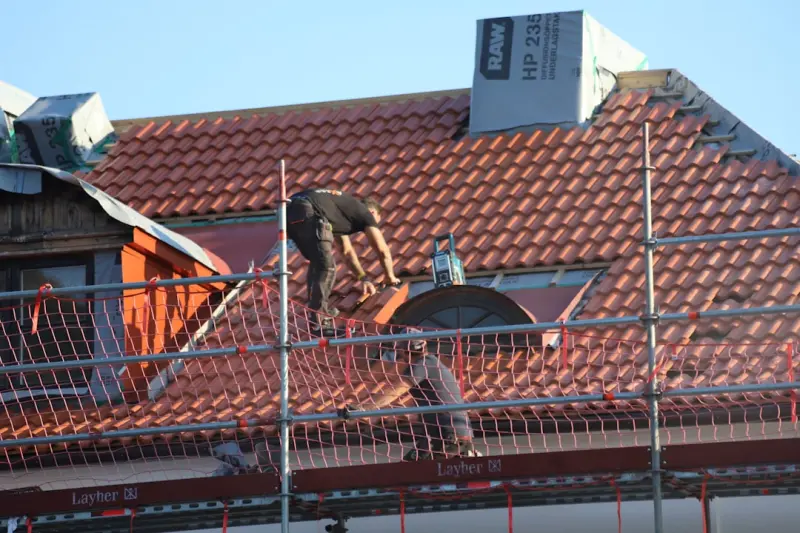
Smart Roofing: From Passive Shield to Data‑Driven Asset
Discover the rise of intelligent roofs that combine green technology, solar integration, and IoT mon... Read More
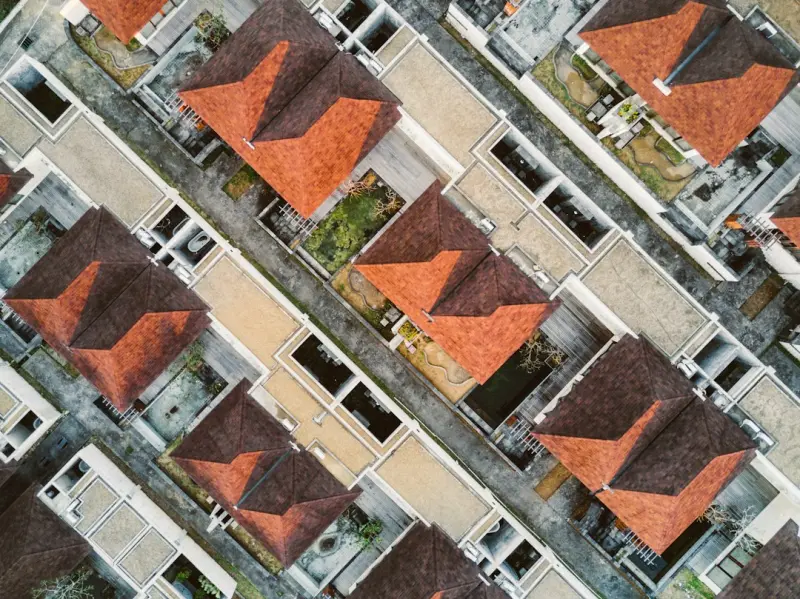
Roof Health 2.0: How Drones and AI Are Transforming Building Resilience
Drones equipped with multispectral cameras and AI analytics are turning roofs into real‑time healt... Read More
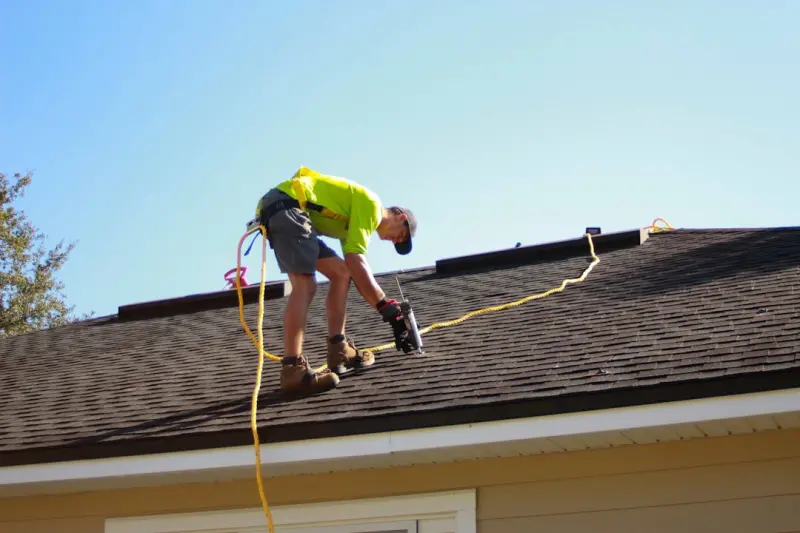
The Unexpected Influence of Roof Color on Home Feel and Community Vibe
Discover why the color of your roof matters more than you think—its psychological impact, climate ... Read More
Top Posts
Creative Drywall Finishes: Turning Plain Walls into Personalized Spaces
Explore how to upgrade drywall from a simple partition to a design asset with creative finishes, sound solutions, and green materials....Read More

The Green Revolution in Landscaping: Sustainable Practices for a Greener Tomorrow
Join the green revolution and learn how to create a sustainable outdoor space that benefits both you and the environment. Discover the latest trends and innovat...Read More
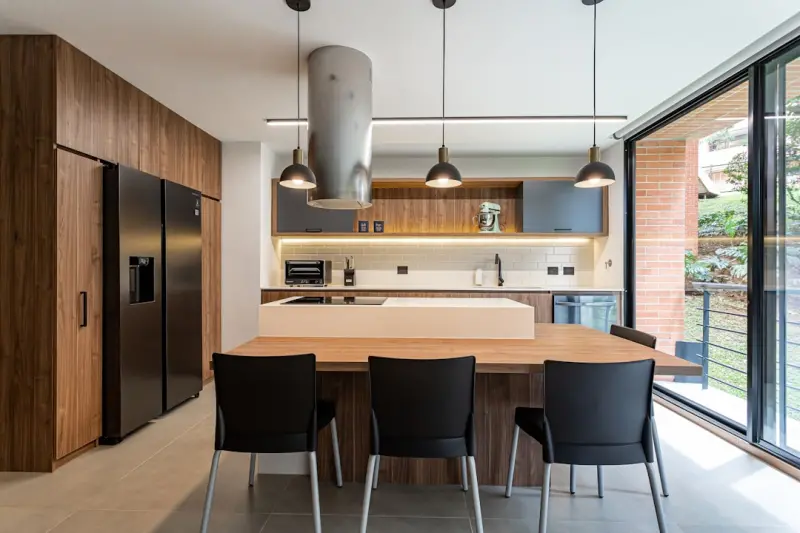
Rethinking Kitchen Renovations: A Multigenerational, Sustainable, and Tech‑Smart Blueprint
I share how to design a kitchen that serves every generation, uses reclaimed materials, hides clutter, and embraces subtle smart upgrades—all while staying bu...Read More

The Ultimate Guide to Floor Heating: A Comprehensive Overview
Floor heating is a luxurious and efficient way to warm your home, providing a cozy and comfortable living space for you and your family. Learn about the differe...Read More
0 Comments
Post Comment
You will need to Login or Register to comment on this post!