
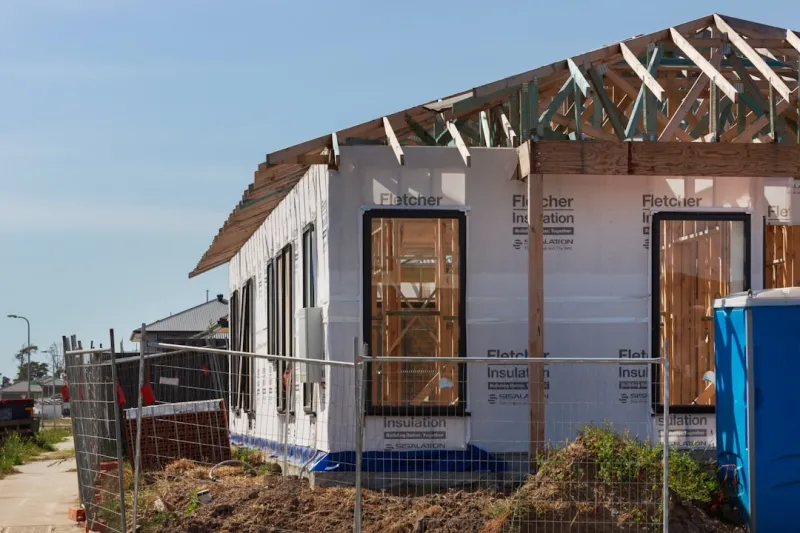
Why Sustainable Practices Are No Longer Optional for General Contractors
When I first picked up my tool belt, the focus was on getting a roof over a client’s head and a floor that wouldn’t creak; today, the conversation starts with carbon footprints, material provenance, and lifecycle costs, and those three themes dominate every bid I write. Homeowners now demand that their new builds or remodels not only look great but also leave a smaller imprint on the planet, and that shift forces us to rethink everything from foundation mixes to finish‑level details, ensuring that each decision aligns with both durability and ecological responsibility. As a result, the modern contractor must become part‑project manager, part‑environmental advocate, and part‑educator, guiding clients through options that balance aesthetic ambition with measurable sustainability metrics.
The Rise of Design‑Build as a Sustainable Delivery Method
Design‑build has surged in popularity because it consolidates design intent and construction execution under one roof, eliminating the wasteful back‑and‑forth that traditionally inflates material waste and schedule overruns, a reality I witnessed on countless split‑phase projects where miscommunication led to duplicated orders and site congestion. By integrating designers, engineers, and tradespeople from day one, we can select low‑impact materials, optimize structural efficiency, and pre‑emptively address potential energy‑saving measures, all while keeping the client’s vision front and center. For a deeper dive into how this approach can transform a project, see Design‑Build Mastery: Crafting Sustainable Homes That Thrive, which outlines practical steps for contractors looking to adopt this collaborative model.
Materials Matter: From Recycled Aggregates to Bio‑Based Insulation
One of the most tangible ways a contractor can boost a project's sustainability is by choosing materials that are responsibly sourced, have recycled content, or are designed for end‑of‑life reuse, and over the years I’ve curated a supplier network that delivers everything from reclaimed brick to hemp‑based insulation panels, each offering a lower embodied energy than conventional options. The challenge lies not just in finding green alternatives, but in verifying their performance credentials, ensuring they meet local code requirements, and educating clients on the long‑term benefits such as superior moisture regulation and reduced heating bills. When we pair these smarter material choices with precise installation techniques, the result is a building envelope that breathes, retains heat efficiently, and stands resilient against the elements for decades.
Energy‑Efficient Systems: Wiring the Future of Residential Power
Modern homes are no longer passive shells; they are active participants in the energy ecosystem, and as contractors we are increasingly tasked with integrating electrical systems that support solar arrays, battery storage, and smart load management, all while maintaining safety and code compliance. The shift toward low‑voltage LED lighting, occupancy sensors, and programmable thermostats reduces the overall electrical load, allowing smaller, more efficient service panels and less copper waste during installation, a benefit I’ve quantified on several recent builds. For readers interested in the broader picture of powering green homes, the guide Powering Sustainable Homes: Modern Electrical Practices for the Eco‑Conscious provides a roadmap for integrating renewable technologies without compromising reliability.
Water Conservation: Fixtures, Landscaping, and Grey‑Reuse
Every drop saved translates to lower utility bills and less strain on municipal supplies, so I now prioritize low‑flow fixtures, rain‑water harvesting systems, and drought‑tolerant landscaping plans as core components of my contract packages, ensuring that the home’s water use aligns with its sustainable ethos. By coordinating with plumbers early in the design phase, we can incorporate dual‑flush toilets, touchless faucets, and drip irrigation controllers that communicate with smart home hubs, creating a seamless user experience that encourages responsible consumption. The payoff is evident in the reduced runoff during heavy storms and the extended life of the property’s plumbing network, as lower pressure and fewer clogs translate to fewer service calls over the building’s lifespan.
Indoor Air Quality: Ventilation, Sealing, and Healthy Materials
While many clients focus on exterior green credentials, I’ve learned that the true measure of a healthy home lies in the quality of the air circulating inside, prompting me to install balanced ventilation systems with heat recovery, meticulously seal the building envelope, and select low‑VOC paints and adhesives that minimize off‑gassing. These steps not only protect occupants from allergens and pollutants but also improve the efficiency of HVAC equipment by reducing the workload required to maintain comfortable indoor temperatures. The synergy between airtight construction and controlled ventilation creates a virtuous cycle where energy savings and occupant health reinforce each other, a principle I championed in the recent project that earned a green building certification.
Waste Management on the Jobsite: From Dumpster to Recycling Loop
Construction waste has traditionally been a hidden cost, but by implementing a robust waste segregation plan that separates wood, metal, drywall, and packaging for recycling, we can divert up to 80 % of material from landfills, a statistic that impresses both clients and regulatory agencies alike. I’ve adopted on‑site compactors and partnered with local recycling facilities to ensure that salvaged lumber finds new life in custom furniture, while metal scraps are melted down for reuse in future structural elements, turning potential landfill liabilities into revenue streams. This proactive approach not only reduces disposal fees but also enhances the project’s sustainability profile, an advantage I highlight during the pre‑construction meeting to set expectations and secure buy‑in from the entire crew.
Client Education: Translating Technical Benefits into Tangible Value
One of the most rewarding aspects of my role is demystifying green building concepts for homeowners, turning abstract ideas like “embodied carbon” into relatable benefits such as lower monthly energy costs and increased resale value, a narrative that often clinches the final approval for a sustainable upgrade. I use visual tools, performance simulations, and real‑world case studies—like the retrofit that cut heating bills by 30 %—to illustrate the return on investment, ensuring that clients feel confident that their upfront spend is an investment rather than an expense. For those seeking a quick primer on sustainable contracting principles, the article Sustainable General Contracting: Building Value with Purpose breaks down the core ideas in an accessible format.
Future Trends: Prefabrication, 3‑D Printing, and Circular Economy
The next frontier for general contractors lies in embracing off‑site fabrication and emerging technologies like 3‑D printed components, which promise to reduce material waste, shorten construction timelines, and enable precision that traditional methods struggle to match, a shift I am already piloting on a modular housing project that delivered a fully certified home in under half the usual time. Coupled with a circular economy mindset—where components are designed for disassembly and reuse—the industry can move beyond incremental improvements toward a paradigm where every building contributes to a regenerative loop, feeding reclaimed resources back into new projects. Staying ahead of these innovations requires continuous learning, strategic partnerships, and a willingness to experiment, qualities I consider essential for any contractor who wants to remain relevant in a rapidly evolving market.
Putting It All Together: A Blueprint for Sustainable Success
In my decade‑long journey from apprentice to seasoned contractor, I’ve witnessed the transformation of the industry from a focus on speed and cost to a holistic approach that values environmental stewardship, client education, and long‑term performance, a shift that is now reflected in every contract I sign and every project plan I draft. By integrating design‑build collaboration, responsible material selection, energy‑efficient systems, rigorous waste management, and proactive client communication, we create homes that not only meet today’s standards but also set a benchmark for future generations of builders and homeowners alike. If you’re ready to embark on a project that balances beauty, durability, and sustainability, let’s start the conversation and turn your vision into a resilient, purpose‑driven reality.

Tom Ferguson is a Canadian freelance writer with a passion for storytelling, current events, and thoughtful commentary. Drawing on years of writing experience, he shares engaging insights on a wide range of topics, bringing a uniquely Canadian perspective to his work.
Related Posts

Digital Twins Meet Integrated Project Delivery: A New Era for General Contractors
Discover how the synergy of Integrated Project Delivery and digital twin technology is revolutionizi... Read More
Digital Twins on the Jobsite: Turning Data into Construction Gold
A practical guide for general contractors on implementing digital twins, from sensor deployment to r... Read More
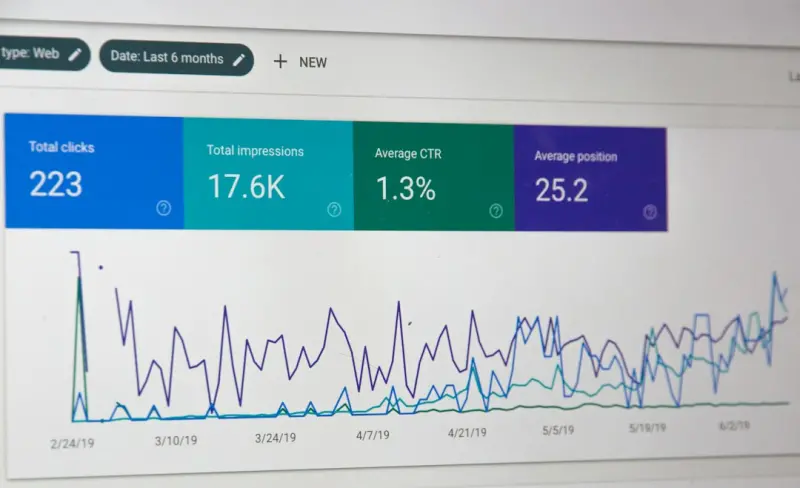
Real‑Time Supply‑Chain Dashboards: The Missing Link for General Contractors
General contractors can transform project uncertainty into confidence by adopting a real‑time supp... Read More
Top Posts

The Evolution of Sustainable Masonry: A Comprehensive Guide
Sustainable masonry is an approach to building design and construction that prioritizes environmental sustainability, social responsibility, and economic viabil...Read More
The Sustainable Awning Revolution: A Game-Changer for Homeowners
Sustainable awnings offer a stylish and practical way to reduce energy consumption and environmental impact. Learn about the benefits, trends, and innovations i...Read More
Waterproofing as a Service: Redefining Building Resilience with Subscription Models
A fresh look at waterproofing reveals the power of subscription‑based services, offering financial predictability, proactive maintenance, and rapid repairs—...Read More

The Unconventional Toolbox: Repurposing Everyday Items for Quick Home Fixes
Learn how everyday objects like clothespins, rubber bands, and old credit cards can become powerful tools for quick DIY home repairs, boosting savings and confi...Read More
0 Comments
Post Comment
You will need to Login or Register to comment on this post!