
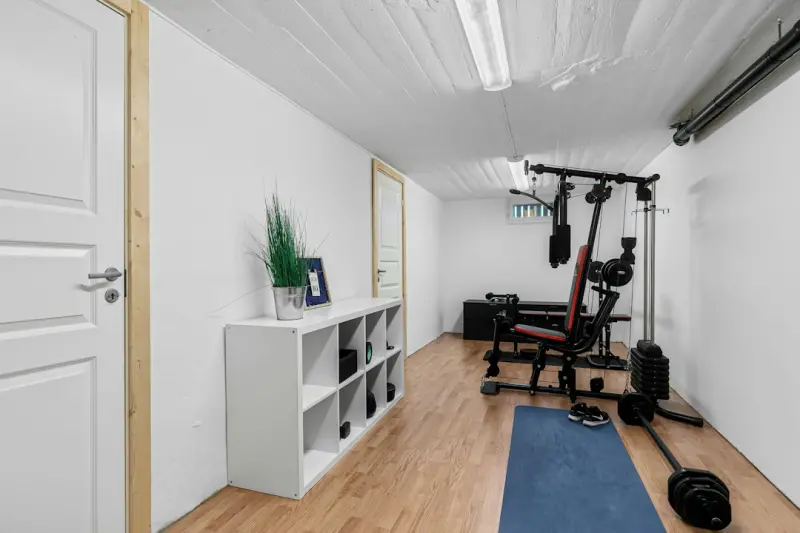
Why the Traditional Garage No Longer Fits Modern Lifestyles
When Paul first bought his first home, the garage was a single‑purpose box: a place to stash a car and maybe a lawn mower. Fast forward a decade, and the same four‑wall structure is expected to juggle a home gym, a woodworking bench, a quiet reading nook, and even a mini‑studio for podcasting. The pressure to squeeze more functionality out of limited square footage is real, especially as remote work and hobby‑centric living become the norm.
But the challenge isn’t just about cramming more items into the space; it’s about doing so without compromising comfort, safety, or the structural integrity of the building. That’s why a strategic, design‑first approach to garage construction can transform a neglected utility area into a true “flexible living hub.”
Mapping the Functional Zones: A Blueprint for Multi‑Use
Before the first wall is raised or the first bolt is tightened, you need a clear map of how you intend to use the space. Start by listing the primary activities you want to accommodate:
- Physical training: weight‑lifting stations, cardio equipment, stretching area.
- Creative workshop: workbench, tool storage, dust extraction.
- Quiet retreat: reading chair, low‑light ambience, sound‑absorbing materials.
- Tech corner: charging stations, network routers, smart home hub.
Next, allocate square footage based on frequency of use and equipment dimensions. A typical three‑car garage (≈ 600 sq ft) can comfortably host a modest gym (≈ 200 sq ft) while preserving enough room for a 4‑ft by 8‑ft workbench and a 10‑ft by 12‑ft “quiet zone.” Use scaled floor‑plan software or a simple graph paper sketch to experiment with different layouts. The goal is to avoid “dead zones” where traffic bottlenecks occur.
Acoustic and Air Quality Strategies
One of the most overlooked aspects of a multi‑functional garage is sound. Weight plates clanging, power tools humming, or the low‑frequency thump of a treadmill can quickly become a nuisance for the rest of the household. To mitigate this, consider a layered approach:
- Mass‑loaded vinyl (MLV) walls or ceiling panels that block low‑frequency transmission.
- Acoustic foam tiles positioned strategically behind workout equipment and workbench areas.
- Weather‑stripping on doors and windows to seal gaps.
While you’re addressing acoustics, think about air quality. A garage is prone to dust, fumes, and humidity spikes. Installing a dedicated air‑filtration system that tracks moisture levels helps keep mold and allergens at bay, ensuring the space remains healthy for both high‑intensity workouts and prolonged quiet reading sessions.
Modular Storage & Flexible Walls
Fixed shelving can quickly become a limiting factor. Instead, opt for modular, wall‑mounted storage units that can be reconfigured as your needs evolve. Systems that use a rail and hook mechanism let you slide heavy tool cabinets, yoga mats, or even a compact treadmill in and out without drilling new holes.
For even greater adaptability, consider moveable partition walls with acoustic cores. These lightweight panels can be repositioned to expand the workout zone during morning sessions and shrink it to create a secluded reading alcove in the evening. The flexibility not only maximizes usable square footage but also future‑proofs the garage against lifestyle changes.
Smart Lighting and Climate Control
Lighting is more than illumination; it shapes mood and performance. A layered lighting scheme works best:
- Ambient LED strips along the ceiling provide even, glare‑free light for the entire space.
- Task lighting – directed spotlights over the workbench and weight‑lifting area – ensures precision and safety.
- Accent lighting – warm, dimmable fixtures near the quiet retreat – creates a calming atmosphere for reading or meditation.
Integrate these fixtures with a smart hub that lets you control brightness and color temperature via voice commands or a mobile app. Pair this with a radiant floor heating system to maintain a comfortable temperature year‑round without the drafty feel of forced‑air heaters. Radiant heat is especially beneficial for a home gym, as it reduces the risk of muscle stiffness during early‑morning workouts.
Integrating Home Gym Equipment Without Sacrificing Space
When space is at a premium, the key is to select equipment that offers multiple functions:
- Adjustable dumbbell sets replace an entire rack of fixed weights.
- Fold‑down power racks can be lowered against the wall when not in use.
- Compact cardio machines – such as a vertical climbing trainer – occupy a smaller footprint than traditional treadmills.
Mount a sturdy, wall‑anchored pull‑up bar that doubles as a storage rack for resistance bands. Use the ceiling joists to install a pulley system for functional training, freeing up floor space. Remember to keep a clear “safety zone” around each piece of equipment, and use non‑slip rubber mats to protect both the floor and your joints.
Workshop Essentials: Tool Organization and Safety
A functional garage workshop demands more than just a workbench. Consider the following essentials:
- Dust extraction system – a central vacuum with ducting to capture sawdust and metal shavings, routed to an exterior vent.
- Fire‑rated storage cabinets for flammable liquids and chemicals, complying with local building codes.
- Lockable tool chests that can be bolted to the floor, deterring theft and ensuring child safety.
When installing electrical outlets for power tools, adhere to a dedicated 20‑amp circuit and place GFCI protection to prevent shocks. For an added layer of safety, integrate an IoT sensor that monitors temperature and humidity, alerting you if conditions become conducive to mold or corrosion – a nod to the IoT‑driven strategies discussed elsewhere in our network.
Creating a Quiet Retreat: Soundproofing and Mood Lighting
Transforming a corner of the garage into a peaceful enclave is more straightforward than it sounds. Start with the walls: install a double layer of gypsum board with a resilient channel in between to dampen sound transmission. Add acoustic panels wrapped in fabric that matches your décor for a cohesive look.
Lighting plays a pivotal role. Use dimmable, warm‑white LEDs combined with a smart control system that gradually ramps up illumination in the morning and fades it out at night, mimicking natural circadian rhythms. Incorporate a small indoor water feature or a white‑noise machine to mask residual garage sounds, further enhancing the sense of seclusion.
Technology Touchpoints: From IoT Sensors to Smart Doors
Modern garages are increasingly “smart.” A few low‑cost upgrades can dramatically improve convenience and security:
- Smart door locks that let you grant temporary access to contractors or family members via a mobile app.
- Connected temperature and humidity sensors that feed data into your home automation platform, triggering the radiant floor heating or dehumidifier as needed.
- Motion‑activated lighting that turns on automatically when you enter the space, reducing the need for switches.
When selecting doors, consider smart glazing and doors that provide superior insulation while allowing you to control tint and transparency remotely. This not only improves energy efficiency but also gives you the ability to create a bright workout area or a dimmed studio space with a single command.
Future‑Proofing: Adaptable Design for Changing Needs
Life evolves, and so should your garage. To avoid costly remodels down the line, embed adaptability into the very bones of the construction:
- Over‑engineered floor joists that can support heavier equipment or a future mezzanine level.
- Raised electrical conduit paths that allow you to add new circuits without opening walls.
- Pre‑installed conduit for fiber‑optic cables should you decide to turn the garage into a home office with high‑speed connectivity.
Think of the garage as a living organism – one that can grow, shrink, and shift in response to your family's evolving habits. By planning for flexibility now, you’ll save time, money, and frustration later.
Putting It All Together: A Step‑by‑Step Blueprint
Ready to roll up your sleeves? Follow this practical sequence:
- Define your zones and sketch a scaled floor plan.
- Consult a structural engineer to verify load‑bearing capacity for gym equipment and potential mezzanine.
- Install acoustic insulation (MLV, foam, double‑layer drywall) before framing interior walls.
- Lay out modular rail systems for storage and moveable partitions.
- Run dedicated electrical circuits for high‑draw tools and smart lighting.
- Fit the radiant floor heating and connect it to a smart thermostat.
- Mount smart doors and glazing to improve security and energy performance.
- Place equipment strategically, prioritizing clearance and safety.
- Fine‑tune lighting scenes for each zone via your home automation app.
- Test airflow and install the air‑filtration system to maintain indoor air quality.
By following this roadmap, you’ll end up with a garage that feels less like a storage dump and more like a purposeful extension of your home—a place where you can lift, create, unwind, and stay connected, all without stepping outside.

Paul Gray is a dynamic blogger based in Brampton, where he shares his life with his amazing wife, Sarah. Known for his engaging writing style and relatable insights, Paul has carved out a niche in the blogging world that resonates with readers from all walks of life. When he's not crafting captivating posts, you can find him savoring a cold beer or indulging in the latest blockbuster movie. With a friendly demeanor and a passion for storytelling, Paul brings a unique perspective to his work, making him not just a blogger, but a voice for those who appreciate the simple joys of life.
Related Posts

The Quiet Garage: Mastering Soundproofing for a Peaceful Home Extension
A garage doesn’t have to be an echo‑filled afterthought. Learn practical acoustic strategies, ma... Read More

Revamping the Garage: A Sustainable, Multi‑Purpose Home Hub
Discover how to turn a traditional garage into a versatile, energy‑efficient hub for work, fitness... Read More

Transforming Your Garage into a Sustainable Energy Hub
Explore how to convert a traditional garage into a clean‑energy hub with solar canopies, EV chargi... Read More
Top Posts

Bringing the Outdoors In: A Blueprint for Biophilic Commercial Renovations
Discover practical steps to embed natural elements into office renovations, creating healthier, more productive environments that align with modern enterprise g...Read More

Sustainable Home Restoration: Turning Old Spaces into Green Havens
Learn to revitalize your home responsibly: assess structure, choose green materials, integrate smart tech, and create lasting value while protecting the planet....Read More

The Handyman’s Guide to Digital Efficiency: Boosting Profits with Tech
Learn how modern handymen can harness scheduling software, mobile payments, and digital inventory to work smarter, boost profits, and build lasting client relat...Read More

Embracing Sustainable Practices in Home Renovations
Sustainable home renovations can help reduce your carbon footprint, create a healthier living space, and increase your property value. Learn how to make your ne...Read More
0 Comments
Post Comment
You will need to Login or Register to comment on this post!