
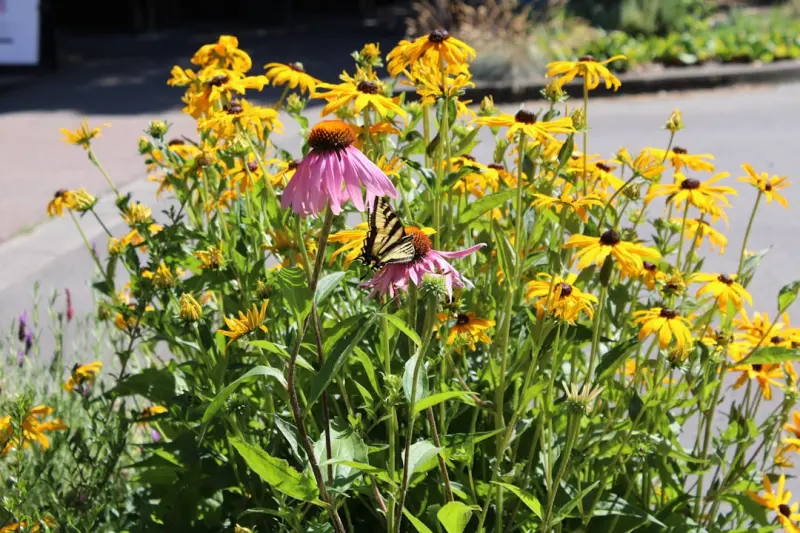
Why a Pollinator‑Friendly Garden Makes Sense for Busy Homeowners
When I first stepped onto my own modest backyard, I felt the familiar tug of too‑much‑to‑do. A patch of grass, a few wilted perennials, and an endless list of chores that seemed to multiply with each passing week. I wanted a space that felt alive, but I didn’t have the bandwidth to tend a high‑maintenance oasis. That’s when the idea of a pollinator‑friendly garden clicked for me.
Pollinators—bees, butterflies, hoverflies, even hummingbirds—do the heavy lifting for our food systems and natural ecosystems. By designing a garden that welcomes them, you get two wins: a vibrant, ever‑changing tapestry of color and a self‑sustaining environment that asks for far less input from you. In short, it’s a garden that works for you, not the other way around.
Setting the Foundation: Soil Health Over Aesthetics
Before you rush to pick out the prettiest lupines or the most exotic ornamental grasses, pause and consider the ground they’ll grow in. Healthy soil is the silent engine of any thriving garden, and it’s the one factor that can make or break your low‑maintenance goals.
- Texture Matters – Loamy soil with a balanced mix of sand, silt, and clay retains moisture without becoming soggy. If your soil feels like a brick, add organic matter.
- Micro‑Life – Beneficial microbes and mycorrhizal fungi form symbiotic relationships with plant roots, improving nutrient uptake. You can boost this community with compost tea or a simple soil health guide.
- pH Check – Most pollinator‑friendly plants prefer a slightly acidic to neutral range (pH 6.0‑7.0). A quick kit test can save you from costly missteps later.
By giving your soil a strong start, you set the stage for plants that need less water, fewer fertilizers, and fewer interventions—exactly the kind of resilience you crave.
Choosing the Right Plant Palette
The hallmark of a pollinator garden is diversity, both in plant species and in bloom times. Here’s how I curate a roster that keeps bees buzzing from early spring through late fall:
- Early‑Season Starters – Salvia nemorosa, Echinacea purpurea, and native trillium get the job done when temperatures are still cool.
- Mid‑Season Mainstays – Think of classic favourites like lavender, coneflowers, and coreopsis. Their nectar is a reliable source for both honeybees and butterflies.
- Late‑Season Finishers – Asters, goldenrod, and sedum provide crucial food for pollinators gearing up for winter.
When selecting varieties, I lean heavily on native species. They’re pre‑adapted to local climate patterns, often require less water, and are more attractive to indigenous pollinators than exotic hybrids.
Color is another subtle but powerful tool. By grouping plants with complementary hues, you create visual interest for humans and a clear signal for insects. For ideas on harmonious color planning, see The Color Blueprint for inspiration that works just as well outdoors.
Designing for Low Maintenance: The Layout Trick
One of the biggest myths about pollinator gardens is that they require constant weeding and pruning. In reality, a smart layout can dramatically cut down on labor. Here are the design principles I swear by:
- Layered Planting – Stack heights from ground‑cover to mid‑height shrubs to tall perennials. This not only maximises vertical space but also creates micro‑habitats for different pollinator species.
- Mulch, Mulch, Mulch – A 2‑inch layer of shredded bark or leaf mould suppresses weeds, conserves moisture, and slowly enriches the soil as it breaks down.
- Pathway Placement – Keep foot traffic on defined, permeable paths (gravel, reclaimed wood, or stepping stones). This protects plant roots and reduces soil compaction.
- Group by Water Needs – Plant drought‑tolerant natives together, and cluster water‑loving species near any irrigation source. This prevents over‑watering or under‑watering any section.
By treating your garden as a series of functional zones rather than a random collection of plants, you eliminate the guesswork and make routine care a breeze.
Water Management Without the Hassle
Water is the lifeblood of any garden, but it doesn’t have to be a daily chore. Here’s how I achieve a water‑wise system that aligns with low‑maintenance goals:
- Rain Barrels – Capture runoff from the roof and use gravity‑fed drip lines to water beds during dry spells.
- Drip Irrigation with Timers – Set a schedule for early‑morning watering, delivering water directly to the root zone and minimising evaporation.
- Strategic Plant Placement – Position water‑thirsty plants near the rain barrel outlet, while placing drought‑tolerant natives farther away.
This approach reduces water waste, cuts your utility bill, and frees you from the mental load of “Did I water today?”
Providing Shelter: Nesting Sites and Habitat Features
Pollinators need more than just nectar; they also need safe places to nest, rest, and overwinter. A few simple additions can make a massive difference:
- Bee Hotels – Stacked bamboo tubes, drilled wooden blocks, or reclaimed hollow stems create ready‑made nesting cavities for solitary bees.
- Butterfly Overwintering Shelters – A pile of leaf litter or a shallow brush box offers a protected spot for chrysalis development.
- Flat Rocks & Sun Basks – Warm stones attract butterflies and dragonflies that need a sunny perch to raise body temperature.
These features are inexpensive, low‑maintenance, and they add a delightful element of wildlife observation for the whole family.
Seasonal Care Checklist (The One‑Page Cheat Sheet)
To keep the garden truly low‑maintenance, I’ve distilled the yearly tasks into a concise, printable checklist. Below is a quick rundown—you can expand it into a printable PDF later.
| Season | Key Actions |
|---|---|
| Early Spring | Test soil pH, apply a thin layer of compost, install bee hotels. |
| Mid‑Spring | Plant early‑blooming perennials, mulch fresh beds, start drip timer. |
| Summer | Monitor moisture levels, prune spent blooms, spot‑treat any invasive weeds. |
| Late Summer | Deadhead to encourage a second bloom wave, check for pest damage. |
| Fall | Plant late‑season foragers, add a final mulch layer, clean and store garden tools. |
| Winter | Inspect bee hotels, ensure rain barrels are covered, enjoy the quiet. |
Stick to this rhythm and you’ll rarely find yourself scrambling to fix a neglected garden.
Integrating Edibles for Extra Value
Why not double‑dip on the benefits? Many pollinator‑friendly plants double as edible herbs or vegetables. Here are a few that thrive alongside ornamental species:
- Herbs – Basil, thyme, and oregano produce fragrant flowers that attract bees while providing fresh kitchen ingredients.
- Fruit‑Bearing Shrubs – Serviceberries and hazelnuts produce berries that both people and birds love.
- Leafy Greens – Certain varieties of kale and chard flower early, offering pollen for insects and greens for your salads.
By weaving edibles into the design, you get a garden that feeds both the body and the ecosystem—another hallmark of low‑effort, high‑reward gardening.
Technology as a Silent Partner (Without Turning Your Garden Into a Smart‑Home Lab)
I’m not a fan of over‑engineering, but a few modest tech tools can keep the garden humming along with minimal input:
- Soil Moisture Sensors – Plug‑in devices that glow red when the soil dries out, prompting a quick check of the drip system.
- Weather‑Linked Timers – Connect your irrigation timer to a local weather service; the system automatically skips watering after rain.
- Digital Plant Identifiers – Use your phone’s camera to verify that a new plant is correctly identified and matched to its bloom schedule.
These low‑key gadgets stay in the background, letting you focus on the garden’s beauty rather than its mechanics.
Budget‑Friendly Tips to Keep Costs Down
Creating a pollinator haven doesn’t have to break the bank. Here are the money‑saving tricks I use:
- Seed Over Transplants – Starting from seed is dramatically cheaper than buying mature plants. I sow a mixed seed blend in late winter and let nature take its course.
- Reuse Materials – Old pallets become vertical gardens, reclaimed bricks turn into stepping stones, and broken pots become decorative mulch.
- Community Plant Swaps – Local gardening clubs often hold swaps where you can trade seedlings or cuttings.
With these tactics, you can build a vibrant pollinator space on a shoestring budget.
Measuring Success: Beyond Aesthetics
How do you know your garden is truly supporting pollinators? A few simple observations go a long way:
- Visit Frequency – Spend ten minutes each week watching for bees, butterflies, and hoverflies. A steady or increasing count signals health.
- Plant Performance – Healthy, vigorous growth with minimal disease indicates good soil and water balance.
- Harvest Yield – If you’ve incorporated edibles, compare the quantity and quality of your produce year over year.
When these indicators line up, you’ve built a resilient ecosystem that requires little more than occasional fine‑tuning.
Final Thoughts: A Garden That Grows With You
Designing a pollinator‑friendly garden isn’t about creating a perfect picture; it’s about establishing a living system that adapts to your lifestyle. By prioritising soil health, selecting the right mix of native plants, using smart yet unobtrusive technology, and keeping an eye on water efficiency, you can enjoy a vibrant outdoor space that feels effortless.
My backyard, once a drab slab of concrete, now hums with life from dawn till dusk. The best part? I spend less time weeding and more time sipping coffee on my deck, watching the bees do the work they’ve been doing for millennia.
If you’re ready to transform your own outdoor area, grab a notebook, sketch a quick layout, and start with the soil. Everything else will fall into place, and before you know it, you’ll have a garden that not only looks great but also gives back to the world around you.

Craig Brett is a freelancer with a passion for the outdoors. His love for nature inspires his work, bringing authentic and engaging perspectives to projects related to outdoor activities, adventure, and environmental topics.
Related Posts

Smart Home Renovations: How to Boost Energy Efficiency and Comfort
Make your home a comfortable and energy-efficient oasis with smart renovations. Learn how to boost e... Read More
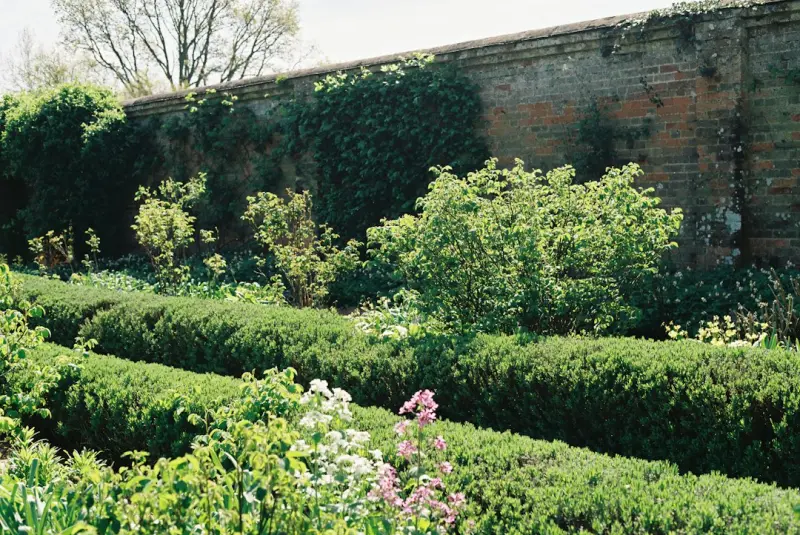
Pocket Gardens: Turning Forgotten Corners into Lush Urban Oases
Discover the art of pocket gardens—small, affordable green spaces that turn under‑used nooks int... Read More

Creating a Year‑Round Outdoor Living Room: Seasonal Styling and Comfort
Turn your patio into a year‑round haven with durable flooring, weather‑proof furniture, layered ... Read More
Top Posts
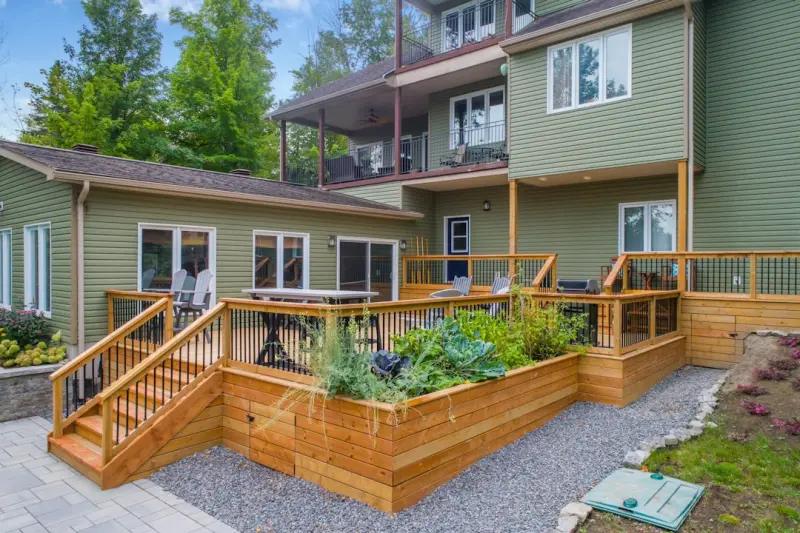
Designing a Year‑Round, Multi‑Functional Deck That Works for Everyone
Learn to transform a basic deck into a year‑round, multi‑functional outdoor living space with durable materials, smart tech, pet‑friendly design, and lowâ...Read More

Science‑Driven Carpet Care: Extending Life and Boosting Indoor Health
A deep dive into science‑based carpet cleaning: learn how fiber knowledge, sustainable agents, smart building integration, and emerging robotics can preserve ...Read More

The Countertop Conundrum: How to Choose, Care for, and Future‑Proof Your Kitchen Surface
A personal guide to picking the right countertop, balancing durability, sustainability, and resale value while staying ahead of trends....Read More

Restored Furniture: The Untapped Asset Fueling Authentic Brand Growth
Restoring furniture isn’t just about preserving the past; it’s a strategic move that enhances brand authenticity, sustainability, and revenue, turning each ...Read More
0 Comments
Post Comment
You will need to Login or Register to comment on this post!