

When most people think about indoor comfort, the image that comes to mind is a thermostat humming in the corner, a blast of warm air from a furnace, or a fluffy blanket on a chilly night. What they rarely consider is the subtle, body‑level warmth that radiates up through the floor beneath their feet. As someone who has spent years balancing the technical demands of building systems with the human desire for well‑being, I’ve learned that radiant floor heating isn’t just a luxury—it’s a quiet health catalyst that reshapes the way we experience indoor spaces.
Why Warm Feet Matter More Than You Think
Our feet are more than just the base of our bodies; they are a complex network of nerves, blood vessels, and muscles that communicate directly with the brain’s thermoregulatory center. When the floor is cold, the body diverts blood to the core to preserve heat, triggering shivering, reduced circulation, and a cascade of stress hormones. Conversely, a gently heated surface encourages vasodilation, improves peripheral circulation, and creates a sense of grounded calm. In practice, this translates to lower stress levels, better sleep quality, and even a modest boost to metabolic efficiency.
The Science of Radiant Warmth
Radiant floor heating works on a simple principle: heat transfers from a warm surface to cooler objects (including the human body) via infrared radiation. Unlike forced‑air systems that push hot air around a room—often creating drafts, uneven temperature zones, and dust turbulence—radiant systems provide an even, low‑gradient temperature field that starts at the floor and gently climbs upward. This vertical temperature gradient mirrors the natural warmth we feel outdoors, where the ground absorbs solar energy during the day and releases it slowly at night.
Two main technologies dominate the market:
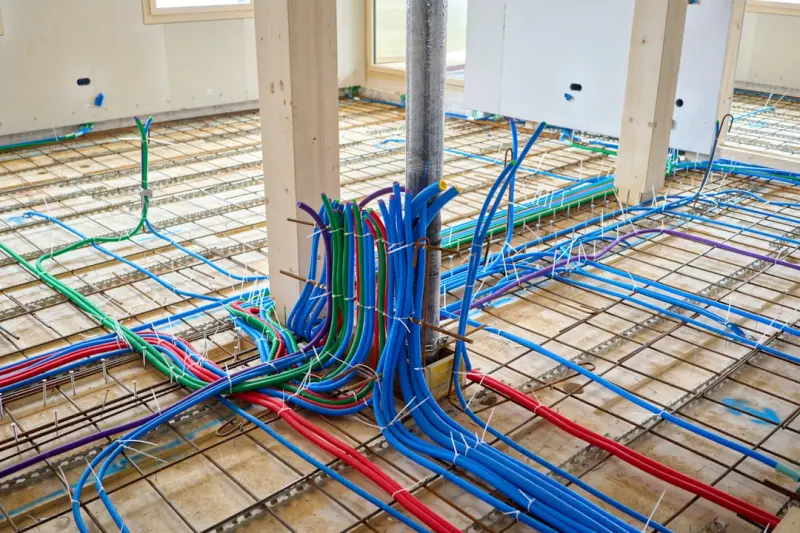
- Hydronic (water‑based) systems: A network of thin‑walled tubing circulates warm water, typically heated by a boiler, heat pump, or solar thermal collector. Hydronic loops excel in large spaces and can maintain stable temperatures with minimal energy loss.
- Electric (cable or mat) systems: Resistive heating elements are installed directly beneath the flooring material. They are ideal for retrofits, small rooms, or zones that require rapid temperature changes.
Both approaches benefit from proper insulation's role in radiant heating. High‑performance insulation under the heating plane prevents heat loss into the sub‑structure, ensuring that nearly all the generated warmth travels upward into the occupied zone. The result is a more efficient system that uses less energy to achieve the same level of comfort.
Health Benefits That Extend Beyond Comfort
1. Improved Air Quality: Radiant systems do not rely on blowing air, so they do not stir up dust, pollen, or other airborne irritants. This is especially valuable in homes with allergy sufferers, asthmatics, or anyone sensitive to indoor pollutants.
2. Reduced Mold and Moisture Risks: By maintaining a consistent floor temperature, radiant heating helps prevent condensation on cold surfaces—a common breeding ground for mold. In combination with proper vapor barriers, the risk of hidden moisture pockets drops dramatically.
3. Enhanced Sleep Hygiene: Studies show that a slight drop in core body temperature signals the brain to release melatonin, the sleep hormone. A warm floor can gently raise peripheral temperature without overheating the core, creating the ideal pre‑sleep environment.
4. Joint and Muscle Relief: For people with chronic pain, arthritis, or post‑exercise soreness, the steady heat from the floor can act as a low‑level therapeutic massage, easing tension and promoting circulation without the need for additional heating pads.
Energy Efficiency Meets Carbon Responsibility
The environmental argument for radiant floor heating often hinges on its compatibility with low‑carbon heat sources. Hydronic loops, for instance, pair seamlessly with ground‑source heat pumps, solar thermal collectors, or even waste‑heat recovery systems. By distributing heat at lower water temperatures (typically 120–140°F) compared to traditional radiators (180–200°F), these systems achieve higher Coefficient of Performance (COP) values, meaning more heat output per unit of electricity.
Electric systems, while simpler to install, can also be green when powered by renewable electricity. In regions with time‑of‑use pricing, smart thermostats can schedule floor heating to run during off‑peak, low‑carbon periods, further reducing the carbon footprint.
Design Integration: From Minimalist Studios to Heritage Homes
One of the most rewarding aspects of working with radiant floor heating is the freedom it offers designers. Because the heat source is hidden beneath the finish floor, there are no unsightly radiators, grilles, or vents to disrupt clean lines. This makes radiant heating a natural partner for:
- Minimalist interiors: Seamless, uninterrupted floor surfaces amplify the sense of space and calm.
- Tile and stone installations: Materials with high thermal mass, such as porcelain, natural stone, or ceramic, store and release heat efficiently, enhancing system performance.
- Historic renovations: When retrofitting older buildings, thin electric mats can be laid over existing floors without compromising heritage aesthetics, while preserving original materials.
In every case, the key is coordination between the architect, HVAC engineer, and flooring specialist. A misstep—such as neglecting to account for floor thickness or ignoring the thermal conductivity of the chosen surface—can lead to under‑performance or unnecessary energy consumption.
Smart Controls: Bridging Comfort and Data
While radiant floor heating is inherently “smart” in its delivery of gentle warmth, modern controls elevate it to a data‑driven experience. Integration with home automation platforms allows users to set room‑by‑room schedules, monitor energy usage, and even respond to weather forecasts. For example, a system can automatically lower floor temperature when an external solar gain prediction indicates a warm afternoon, then raise it just before occupants return home.
For those curious about the broader ecosystem, check out our piece on smart floor innovations. While that article dives into sensor‑laden surfaces that track foot traffic, the underlying principle—using data to fine‑tune comfort—applies directly to radiant heating controllers as well.
Installation Tips for DIY‑Friendly Projects
Even though the concept is straightforward, successful radiant floor installation demands attention to detail. Here are my top recommendations for anyone considering a DIY approach:
- Plan the layout early: Map out heating zones based on room function, insulation levels, and furniture placement. Avoid placing permanent heavy furniture directly over heating elements unless you’re using a low‑temperature hydronic system.
- Choose compatible flooring: Not all flooring materials respond equally to radiant heat. Vinyl, laminate, and hardwood require careful selection of underlay and temperature limits to prevent warping.
- Invest in a quality thermostat: A programmable, Wi‑Fi‑enabled thermostat with zone control capabilities will pay for itself through energy savings and increased comfort.
- Seal and insulate: Before laying the heating mat or tubing, ensure that the sub‑floor is properly sealed to prevent moisture migration and that a high‑R insulation board is installed underneath.
- Test before closing up: Power the system for a short test run to verify uniform heat distribution and identify any hotspots or dead zones.
Future Outlook: Radiant Heating in a Connected World
Looking ahead, the convergence of radiant floor heating with emerging technologies will deepen its impact. Imagine a building management system that cross‑references indoor CO₂ levels, occupancy sensors, and outdoor weather data to modulate floor temperature in real time, delivering optimal comfort while minimizing energy use. Or consider a commercial office where floor heating is tied to employee wellness dashboards, encouraging movement and standing breaks by subtly adjusting warmth under different workstations.
These scenarios are no longer speculative; they’re already being piloted in forward‑thinking workplaces and smart homes. As the industry leans more into data, the humble floor becomes a silent orchestrator of health, productivity, and sustainability.
Conclusion: Warmth as a Strategic Asset
Radiant floor heating is more than a heating method; it’s a strategic asset that aligns comfort, health, and environmental stewardship. By delivering consistent, low‑gradient warmth, it reduces reliance on noisy, pollutant‑stirring air systems, supports better indoor air quality, and enhances the well‑being of occupants. Coupled with high‑performance insulation, renewable heat sources, and intelligent controls, radiant floor heating stands out as a future‑proof solution for both new builds and thoughtful retrofits.
Whether you’re a homeowner seeking a healthier living environment, a facilities manager aiming to cut operating costs, or a designer looking for a seamless way to blend aesthetics with function, consider floor heating not as an add‑on, but as the foundational layer of your next project. Warm feet, clear mind, greener footprint—that’s the triple win we’ve been waiting for.

Paul Gray is a dynamic blogger based in Brampton, where he shares his life with his amazing wife, Sarah. Known for his engaging writing style and relatable insights, Paul has carved out a niche in the blogging world that resonates with readers from all walks of life. When he's not crafting captivating posts, you can find him savoring a cold beer or indulging in the latest blockbuster movie. With a friendly demeanor and a passion for storytelling, Paul brings a unique perspective to his work, making him not just a blogger, but a voice for those who appreciate the simple joys of life.
Related Posts
Underfoot Comfort: Rethinking Floor Heating for a Smarter, Sustainable Home
Floor heating is evolving from a simple comfort feature into a smart, sustainable platform that enha... Read More
Warm Floors, Warm Minds: How Modern Radiant Heating Drives Business Performance
Radiant floor heating quietly transforms workspaces by improving comfort, reducing energy use, and s... Read More

Radiant Floor Heating: Turning Slabs into Smart Energy Assets
Radiant floor heating isn’t just about warm feet; it’s a strategic energy‑storage system that ... Read More
Top Posts
Radiant Floor Heating: The Hidden Health and Sustainability Edge
Radiant floor heating delivers gentle, even warmth that boosts circulation, improves air quality, and supports better sleep, all while pairing seamlessly with r...Read More

Concrete Gets Smart: Turning Slabs into Business Sensors
Smart concrete turns ordinary slabs into intelligent platforms, providing real‑time data for predictive maintenance, energy optimization, and enhanced safety,...Read More

Woodworking Meets Tech: Crafting Smart, Sustainable Pieces
A deep dive into how woodworkers are blending CNC, cloud design, and embedded sensors to create smart, sustainable pieces that tell a story, reduce waste, and o...Read More

Why Floor Heating Is the Quiet Luxury Your Home Craves
Floor heating offers a whisper‑quiet warmth that transforms any space. I share personal insights, energy benefits, and real‑world tips to help you decide if...Read More
0 Comments
Post Comment
You will need to Login or Register to comment on this post!