
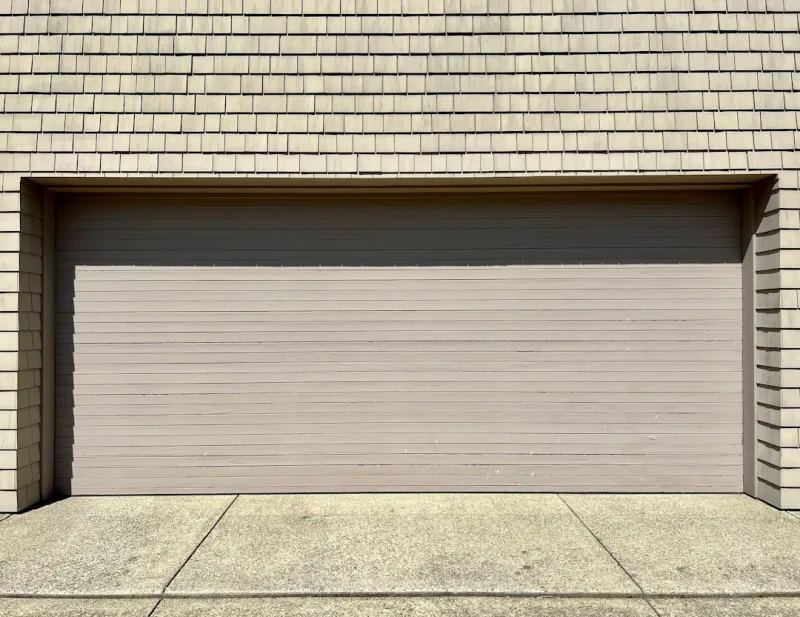
Why Garage Doors Are the Unsung Heroes of Sustainable Home Design
When most homeowners think about green upgrades, they picture solar panels, high‑efficiency HVAC, or reclaimed wood flooring, but the garage door often slips through the cracks despite accounting for up to 30 percent of a home’s heat loss in colder climates; a well‑insulated, airtight door can dramatically cut that number, translating into lower utility bills and a smaller carbon footprint. As I’ve learned from years of overseeing remodels, the choice of material—whether it’s recycled steel, sustainably sourced aluminum, or composite wood—affects not only the embodied energy of the product but also its longevity, because a door that resists warping, rust, and UV degradation will stay functional for decades, reducing the need for replacement cycles that generate waste. Moreover, the integration of smart sensors and motorized openers, which can be programmed to close during night‑time temperature drops or when the home is vacant, creates an active barrier that works in tandem with other home‑automation systems, a concept explored in depth in Electrify Your Home: Sustainable Upgrades That Cut Bills and Carbon, ultimately turning a simple entry point into a dynamic component of an energy‑efficient envelope.
Smart Materials and Automation for Eco‑Friendly Performance
Modern garage doors have evolved far beyond the clunky, insulated panels of the past, embracing advanced materials like low‑emissivity (low‑e) glass inserts that let natural light flood the interior while reflecting infrared heat back into the garage, a design trick that reduces the need for supplemental lighting and keeps the space warmer without added energy; pairing these panes with insulated cores made from recycled denim or cellulose not only boosts R‑value but also supports the circular economy. The rise of IoT‑enabled openers brings another layer of sustainability, as real‑time diagnostics alert homeowners to motor wear before it becomes a failure, and the ability to sync with smart thermostats ensures the garage door closes automatically when indoor temperatures dip, conserving heat that would otherwise escape—a practice championed in the Design‑Build Mastery article, which emphasizes holistic efficiency across building systems. Additionally, selecting a door with a quiet, brushless motor reduces noise pollution, encouraging the use of the garage as a functional workspace or home gym, thereby extending the utility of the structure and lessening the impulse to build ancillary outbuildings that consume extra resources.
Maintenance Practices That Extend Life and Cut Waste
Even the most advanced garage door will falter without diligent upkeep, and the best maintenance routines are those that blend simplicity with environmental stewardship; a quarterly inspection of weatherstripping, rollers, and hinges, followed by the application of biodegradable lubricants, prevents premature wear and eliminates the need for costly part replacements, aligning perfectly with the principles outlined in Handyman Hacks. Replacing a worn‑out seal with a high‑performance, low‑VOC silicone strip not only improves airtightness but also reduces the emission of volatile organic compounds, contributing to healthier indoor air—a benefit that reverberates beyond the garage into the entire home. Finally, when the time does come for a full door replacement, opting for a manufacturer that offers a take‑back program for old units ensures that steel frames are recycled and plastic components are properly processed, turning a potential landfill burden into a resource loop that exemplifies the circular economy mindset that modern renovators strive to achieve.
Design Strategies That Blend Aesthetics with Energy Efficiency
Choosing a garage door is as much about curb appeal as it is about performance, and the current trend leans toward sleek, minimalist profiles that incorporate recessed panels and hidden hinges, reducing air infiltration points while delivering a contemporary façade that boosts property value; these designs often feature integrated lighting that runs on low‑voltage LED strips, offering illumination without the heat output of traditional fixtures. Pairing the door’s color palette with the home’s overall exterior scheme can also influence solar gain, as lighter hues reflect more sunlight, keeping the garage cooler in summer months and lessening the load on any attached cooling devices. For homeowners who crave a touch of nature, incorporating living wall panels adjacent to the door creates a micro‑climate that insulates the entryway while providing a visual statement, a concept that echoes the sustainable outdoor integrations highlighted in the Fencing Trends piece.
Energy Savings Calculated: The Real Numbers Behind Green Garage Doors
Quantifying the impact of a high‑performance garage door can be eye‑opening: a well‑sealed, insulated door can reduce heat loss by up to 15 percent compared to a standard steel door, which translates to savings of roughly $150‑$250 annually on heating bills for an average household, a figure that compounds over the door’s lifespan and justifies the modest premium often associated with premium products. Moreover, the reduction in heat exchange lessens the strain on the home’s HVAC system, potentially extending its service life and decreasing maintenance frequency, a hidden benefit that aligns with the broader sustainability goals outlined in the Smart, Sustainable Heating & Cooling article. When homeowners consider the total cost of ownership—including installation, energy savings, and resale value—the math consistently favors an investment in a green garage door, especially when paired with rebates or tax incentives that many utility providers now offer for energy‑efficient upgrades.
Choosing the Right Automation: Smart Openers and Integration
The heart of a modern garage door’s sustainability lies in its opener, and today’s market offers a spectrum of options from solar‑powered units to models equipped with kinetic energy recovery systems that feed excess power back into the home’s grid; these technologies not only cut operating costs but also exemplify the shift toward net‑zero residential energy strategies. Integration with voice assistants and smartphone apps provides homeowners with granular control, such as scheduling closures during peak demand periods or receiving alerts when the door is left open longer than a preset threshold, thereby preventing unnecessary heat loss and enhancing security. Selecting an opener with a quiet, brushless motor and a built‑in battery backup ensures reliable operation during power outages, preserving the door’s insulating function when the house is most vulnerable.
Future‑Proofing: Modular and Upgradable Door Systems
As building standards evolve and new sustainable materials emerge, a forward‑thinking garage door system should be modular, allowing panels, insulation, and hardware to be swapped out without a full replacement, a concept championed by manufacturers who view each door as a living product rather than a static fixture; this approach not only reduces waste but also provides homeowners the flexibility to adopt emerging technologies, such as photovoltaic glazing, as they become commercially viable. The modular design also facilitates easier compliance with future building codes that may impose stricter airtightness and insulation requirements, ensuring that the home remains legally compliant without costly retrofits. By investing in a door that can grow with the homeowner’s sustainability journey, the initial purchase becomes a long‑term asset that continuously delivers environmental and economic returns.
Community Impact: How Green Garage Doors Contribute to Neighborhood Resilience
Beyond individual savings, widespread adoption of energy‑efficient garage doors can elevate the overall resilience of a community, as reduced heating and cooling loads collectively lower regional energy demand, easing stress on the grid during extreme weather events—a scenario increasingly common in discussions about climate adaptation. Neighborhoods that embrace such upgrades often experience a ripple effect, where visible improvements inspire adjacent homeowners to pursue similar retrofits, creating a cascade of sustainability benefits that amplify property values and foster a shared sense of environmental stewardship. Local building codes are beginning to reflect this momentum, with some municipalities offering expedited permitting for projects that meet high‑performance criteria, underscoring the growing recognition of garage doors as pivotal elements in the broader push toward greener, more livable communities.
Final Thoughts: Making the Smart, Sustainable Choice
In the grand tapestry of home renovation, the garage door may seem like a single thread, but when woven with intention—selecting recycled materials, integrating smart automation, committing to diligent maintenance, and choosing modular designs—it becomes a cornerstone of a truly sustainable residence that pays dividends in comfort, cost savings, and carbon reduction; the cumulative effect of these choices mirrors the holistic approach advocated throughout our platform, where each upgrade is evaluated not just for immediate impact but for its lifelong contribution to a greener built environment. As you contemplate your next home improvement project, remember that the door you open each morning can either be a source of energy loss or a gateway to a more efficient, resilient future, and the evidence is clear: opting for a green garage door is a decision that aligns personal benefit with planetary responsibility.

David MacKinnon is a dynamic freelance writer known for his captivating storytelling and keen insights into the world of technology. With a passion for exploring the intersection of innovation and everyday life, he crafts engaging narratives that not only inform but also inspire his readers.
Related Posts

Smart Garage Doors: Turning Your Entryway into a Sustainable Power Hub
This post reveals how modern garage doors can become energy‑saving, solar‑generating, AI‑secur... Read More

The Modern Garage Door: Smart, Sustainable, and Stylish
Explore the latest trends in garage doors—from smart connectivity and eco‑friendly materials to ... Read More
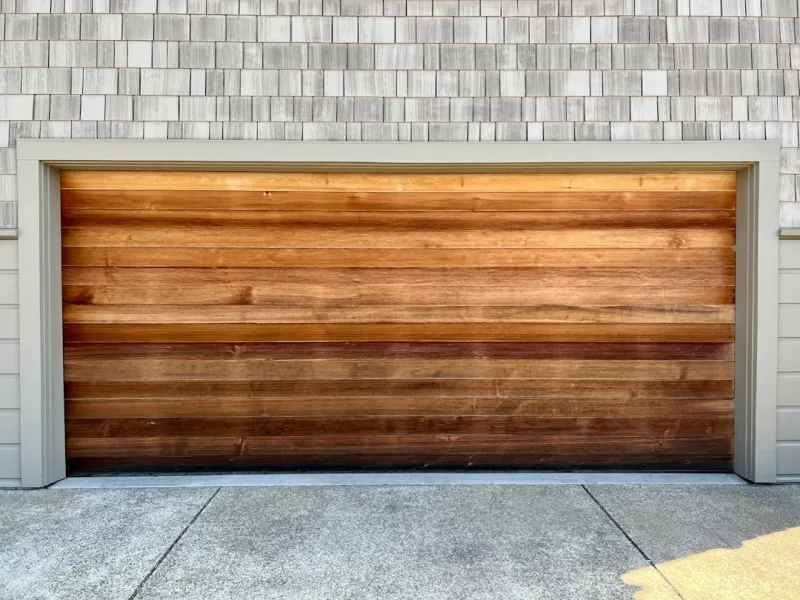
The Impact of Sustainable Garage Doors on Home Energy Efficiency
Sustainable garage doors play a significant role in maintaining a home's energy efficiency and reduc... Read More
Top Posts

The Ultimate Guide to Snow Removal: Tips, Techniques, and Best Practices
Snow removal is a crucial task during the winter months. Learn the best practices for clearing snow from your driveway and sidewalk, including tips on equipment...Read More

Why Your Garage Door Is the Unsung Hero of Facility Efficiency
A modern garage door can do far more than open and close—it can cut energy costs, enhance security, reduce noise, and improve workflow. This article reveals h...Read More

Sustainable Windows and Doors: A Key Component of Eco-Friendly Home Design
Sustainable windows and doors are crucial for eco-friendly home design. Learn how to choose energy-efficient and sustainable products to reduce your carbon foot...Read More

The Power of Paint: How Sustainable Home Painting Can Transform Your Space
Sustainable home painting is a great way to transform your space while reducing your environmental impact. Learn how to choose eco-friendly paints, prepare your...Read More
0 Comments
Post Comment
You will need to Login or Register to comment on this post!