
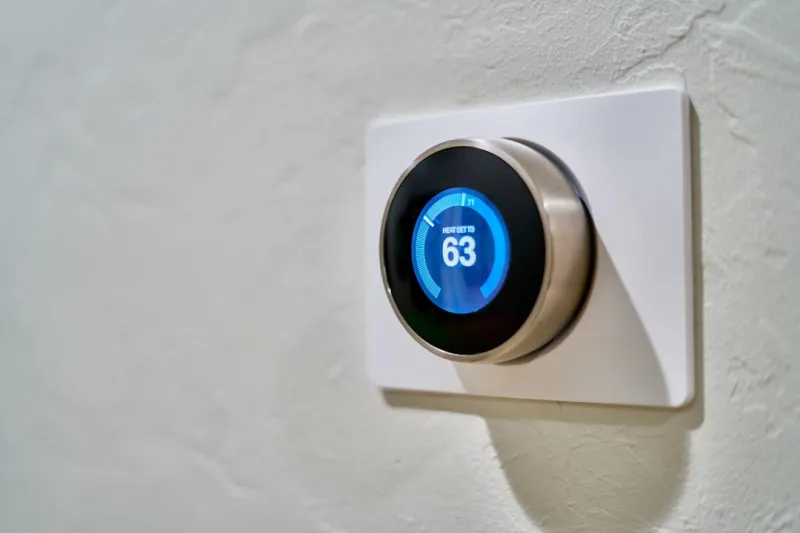
The Rise of Smart, Sustainable HVAC Systems
Homeowners are finally catching up to the reality that heating and cooling aren’t just about comfort—they’re a critical lever for energy efficiency and carbon reduction. Smart thermostats have moved beyond simple temperature schedules; they now learn occupancy patterns, integrate weather forecasts, and even adjust based on utility demand-response signals, slashing unnecessary run‑time by up to 30 percent. Pair that intelligence with high‑efficiency heat pumps, and you get a system that can both warm and cool with a fraction of the electricity a traditional furnace or air‑conditioner would guzzle, delivering year‑round comfort while keeping the grid happy.
But the tech isn’t the only piece of the puzzle. Proper sizing and placement of ducts—or better yet, the decision to go ductless—can dramatically affect performance. Many older homes suffer from leaky, undersized ductwork that robs a system of up to 20 percent of its heating or cooling potential, turning what should be a modest utility bill into a financial drain. By opting for The Smart Path to Sustainable Heating and Cooling approach, you can evaluate whether a variable‑refrigerant‑flow (VRF) system or a series of zone‑controlled mini‑splits makes more sense, ensuring that every square foot of conditioned space receives precisely the amount of climate control it needs without waste.
Beyond the hardware, the human factor plays a huge role. I’ve seen countless clients overlook simple maintenance tasks—like changing filters or cleaning coils—only to watch their system’s SEER rating plummet. A quick annual check, often covered under a standard service contract, can preserve efficiency gains and extend equipment life, translating into real dollars saved and fewer trips to the landfill when components finally fail. When you combine vigilant upkeep with cutting‑edge controls, the HVAC system becomes a low‑maintenance, high‑performance asset that pays for itself over time.
Integrating Renewable Energy with Your Climate System
Solar panels are no longer a niche add‑on; they’re becoming a cornerstone of a truly green home, especially when paired with an HVAC system that can store and use that energy wisely. By installing a battery storage solution alongside a high‑efficiency heat pump, you can run your home’s heating and cooling cycles during off‑peak hours or when the sun is shining, dramatically reducing reliance on the grid and shielding yourself from price spikes. This synergy also opens the door to participating in utility net‑metering programs, where excess solar generation can be sold back, offsetting other household energy draws.
For homes that can’t accommodate a full solar array, there are still options to harness renewable energy. Geothermal heat pumps tap into the stable temperature of the earth, delivering heating in the winter and cooling in the summer with minimal electricity usage. Although the upfront excavation costs can be higher, the long‑term savings—often exceeding 50 percent compared to conventional systems—make it a compelling investment for those with the land and the foresight to go green. When you factor in tax credits and local incentives, the financial picture becomes even brighter.
It’s also worth noting the emerging market of hybrid systems that blend solar thermal collectors with conventional HVAC. These setups pre‑heat water for radiant floor heating or boost the efficiency of a heat pump during peak demand periods, effectively creating a layered defense against climate extremes. By thinking holistically about energy generation, storage, and consumption, homeowners can craft a resilient climate solution that not only cuts utility bills but also positions their property as a forward‑thinking, eco‑friendly haven.
Energy Audits: The Hidden Power That Transforms Comfort
Before you splurge on the latest HVAC gizmo, consider a thorough energy inspection. A professional audit uncovers hidden leaks, insulation gaps, and airflow blockages that can sabotage even the most advanced systems. In my experience, a single audit often reveals opportunities to save 10‑20 percent on heating and cooling costs simply by sealing a few ducts, adding a bit of attic insulation, or upgrading weatherstripping around doors.
One of the most eye‑opening findings during these inspections is the impact of solar heat gain through windows. By installing low‑emissivity (low‑E) glass or adding strategic shading devices, you can dramatically reduce the cooling load in the summer while still letting natural light flood the interior. Combine that with a well‑placed ceiling fan, and you’ll notice a measurable drop in thermostat settings without sacrificing comfort. These relatively low‑cost adjustments often deliver returns that dwarf the expense of a brand‑new HVAC unit.
Finally, the audit report serves as a roadmap for phased upgrades, allowing homeowners to prioritize the most cost‑effective measures first. Whether it’s a quick filter change, a duct seal, or a full system replacement, having a clear, data‑driven plan prevents impulse purchases and ensures every dollar spent contributes to a greener, more comfortable home environment.
Seasonal Strategies for Year‑Round Efficiency
Winter and summer demand different tactics, but the underlying principle remains the same: keep the system operating at its optimum point. In colder months, set your thermostat just a few degrees lower at night and use programmable settings to raise it only when occupants are active. Pair this with a heat‑recovery ventilator (HRV) that brings in fresh air without losing the warmth you’ve already paid to generate. The result is a home that breathes comfortably while conserving heat.
Summer calls for a flip‑side approach. Keep blinds closed during peak sun hours, run ceiling fans clockwise to push cool air down, and consider a “dry mode” on your heat pump to dehumidify without over‑cooling. Dehumidification is often the unsung hero of comfort—when humidity is controlled, occupants feel cooler at higher temperatures, allowing you to set the thermostat a degree or two higher and still enjoy a pleasant indoor climate.
Across both seasons, regular maintenance cannot be overstated. Cleaning coil fins, checking refrigerant pressures, and calibrating thermostat sensors keep the system humming efficiently. When you treat your HVAC like a well‑tuned instrument, the performance gains compound, and you’ll notice the difference not just in your utility bill but in the consistent, reliable comfort throughout the year.
Smart Home Integration: From Convenience to Conservation
Integrating HVAC controls into a broader smart‑home ecosystem turns convenience into a powerful conservation tool. Voice‑activated assistants can adjust temperatures on the fly, while occupancy sensors automatically reduce heating or cooling in empty rooms. When paired with geofencing, your system can begin conditioning the home just before you arrive, eliminating the wasteful “pre‑heat” or “pre‑cool” cycles that many manually operated thermostats suffer from.
Data analytics play a surprising role, too. Modern platforms provide detailed usage reports, highlighting patterns that might otherwise go unnoticed—like a bedroom that stays cooler than the rest of the house due to a sunny window. Armed with this insight, you can make targeted adjustments—perhaps adding a thermal curtain or rebalancing vents—without a full system overhaul. Over time, these micro‑optimizations stack up, delivering noticeable energy savings.
And let’s not forget the role of community-driven programs. Many utility companies now offer rebates for connecting your thermostat to their demand‑response network, rewarding you for reducing load during peak times. By embracing these incentives, you not only lower your bill but also contribute to a more stable grid, demonstrating that smart home tech can be a win‑win for both the consumer and the planet.
Choosing the Right Professional: Why Expertise Matters
When it comes to installing or retrofitting an HVAC system, the devil is truly in the details. A certified technician who understands the nuances of refrigerant charge, airflow dynamics, and local climate considerations can make the difference between a system that delivers advertised savings and one that underperforms. I always stress the importance of checking credentials, asking for references, and verifying that the contractor follows the latest industry standards for energy efficiency.
Moreover, an experienced installer can seamlessly integrate your HVAC upgrade with other sustainable home projects you may already have in progress. For example, if you’ve recently completed a Design‑Build Mastery renovation, the HVAC professional should be able to coordinate duct placement with new wall assemblies, ensuring airtight connections and optimal performance. This collaborative approach avoids costly re‑work and preserves the aesthetic integrity of your home.
Finally, a reputable contractor will stand behind their work with comprehensive warranties and service plans, giving you peace of mind that any unexpected hiccups will be addressed promptly. In the long run, this level of accountability translates into lower lifecycle costs, reinforcing the financial wisdom of investing in quality from day one.
Future‑Proofing Your Home’s Climate System
Technology moves fast, and what’s cutting‑edge today may be standard tomorrow. To protect your investment, look for HVAC solutions that offer modular upgrades, such as add‑on air‑purification modules, advanced humidity controls, or even integration with emerging renewable sources like micro‑wind turbines. Systems that support over‑the‑air firmware updates ensure you’ll benefit from the latest efficiency algorithms without a costly hardware swap.
Another forward‑thinking strategy is to design your home’s envelope with flexibility in mind. By installing oversized ducts or providing extra conduit pathways, you give future technicians room to upgrade components without tearing down walls. Coupled with a robust insulation plan, this approach keeps your home ready for the next generation of climate tech, whether that’s a new type of heat pump or an AI‑driven energy management platform.
In the end, the goal is to create a climate system that adapts as your needs evolve, your family grows, and the world’s energy landscape shifts. By choosing scalable technology, staying informed about emerging standards, and working with professionals who share a sustainability mindset, you set the stage for a comfortable, cost‑effective, and eco‑friendly home for years to come.

Craig Brett is a freelancer with a passion for the outdoors. His love for nature inspires his work, bringing authentic and engaging perspectives to projects related to outdoor activities, adventure, and environmental topics.
Related Posts

Predictive Maintenance for HVAC: Harnessing AI to Keep Buildings Comfortable
Predictive maintenance uses sensors and AI to forecast HVAC failures before they happen, delivering ... Read More
Staying Cozy: How Modern Insulation Materials Can Transform Your Home's Comfort
Insulation plays a critical role in keeping your home cozy and energy bills in check. Learn about th... Read More

Predictive Maintenance: The Smart Way to Future‑Proof Your HVAC Systems
Discover why shifting from reactive repairs to predictive maintenance is essential for modern HVAC s... Read More
Top Posts
Designing a Year‑Round, Multi‑Functional Deck That Works for Everyone
Learn to transform a basic deck into a year‑round, multi‑functional outdoor living space with durable materials, smart tech, pet‑friendly design, and lowâ...Read More

Why Live‑Edge Woodworking Is the Next Frontier for Makers
Live‑edge woodworking transforms raw timber into striking, sustainable furniture. This article explores sourcing, techniques, design strategies, and how to ma...Read More

The Future of Landscaping: Sustainable Solutions for a Greener Tomorrow
The future of landscaping is sustainable, and it's here to stay. Learn how to create a greener, more eco-friendly outdoor space that benefits both you and the p...Read More

Insulation Insights: Turning Your Home’s Skin Into a Smart, Sustainable Shield
Explore a fresh take on insulation that balances eco‑friendly materials, smart home integration, and adaptive design to create a healthier, more resilient liv...Read More
0 Comments
Post Comment
You will need to Login or Register to comment on this post!