
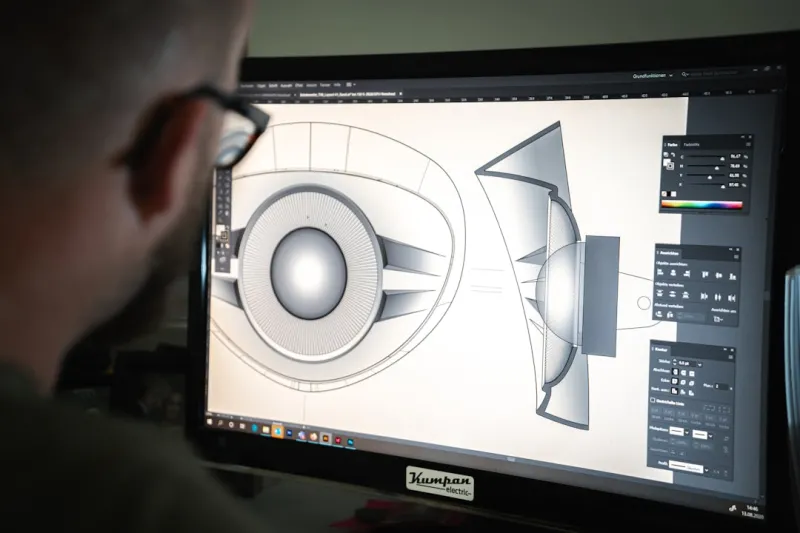
Why Design‑Build Is Changing the Game
When I first stepped into the world of design‑build, the most striking thing was the fluid conversation between architect, contractor, and client—all happening under one roof instead of across a crowded conference table. That seamless exchange eliminates the classic “design‑then‑hand‑off” bottleneck, allowing us to iterate on floor plans, material palettes, and sustainability targets in real time, which dramatically shortens the timeline from concept to ribbon‑cutting. Clients now expect their vision to be both beautiful and responsible, and the integrated model gives us the agility to meet those expectations without sacrificing craftsmanship.
Integrating Sustainable Choices Early
One mistake I see on every new site is postponing green decisions until the construction phase, when retrofitting becomes a costly gamble; instead, I embed energy‑efficient strategies at the schematic stage, from passive solar orientation to low‑embodied‑material selections. This proactive stance not only reduces the carbon footprint but also unlocks tax incentives and future‑proofs the home against rising utility rates, a point reinforced in our Why General Contractors Are Turning Green and What It Means for Your Next Build guide. By aligning the design narrative with sustainable performance metrics, we create a cohesive story that resonates with owners who want to leave a positive legacy while still enjoying modern comforts.
Another lesson learned is that sustainability isn’t just about high‑tech HVAC systems; it’s about the humble details that accumulate into big savings. For instance, specifying reclaimed timber for exposed beams or choosing a low‑VOC paint can dramatically improve indoor air quality while cutting material costs, a principle explored in Eco‑Friendly Home Painting. When these choices are woven into the design narrative from day one, they become part of the aesthetic rather than an afterthought, and the client feels a sense of ownership over every green decision.
Client Collaboration: The Secret Sauce
In my experience, the most successful design‑build projects are those where the client is an active co‑creator rather than a distant patron; we set up weekly visual workshops, using 3‑D renderings and material samples to translate abstract ideas into tangible decisions. This collaborative rhythm builds trust, reduces change orders, and keeps the budget transparent, which is especially critical when you’re balancing premium sustainable features against cost constraints. By empowering the homeowner to vote on everything from insulation R‑values to the type of reclaimed brick, the final product feels uniquely theirs, and the partnership endures long after the project closes.
Communication tools also play a pivotal role: we leverage cloud‑based project boards that log every decision, from the color of the kitchen backsplash to the specification of a low‑flow faucet. This digital trail not only protects against misunderstandings but also provides a living handbook for future maintenance, aligning with the broader goal of long‑term sustainability. When a homeowner can glance at the board and see that the radiant floor heating is powered by a solar‑ready circuit, they’re more likely to maintain the system correctly, extending its life and maximizing its environmental payoff.
Balancing Aesthetics and Efficiency
Design‑build gives us the freedom to fuse form and function without the tug‑of‑war that traditionally separates architects from contractors; we can select a sleek, double‑glazed window that frames a sunrise view while simultaneously delivering a U‑value that slashes heating loads. The key is to treat each material as both a design element and a performance asset, a mindset that leads to choices like insulated concrete forms that act as structural walls and thermal buffers in one package. When the aesthetic narrative supports the energy model, the homeowner enjoys a home that looks as good as it performs.
We also embrace emerging technologies that enhance both style and sustainability, such as smart glazing that adjusts tint based on solar intensity, or modular wall systems that allow future reconfiguration without demolition. These innovations create a living, adaptable space that can evolve with the occupants’ needs, reducing the likelihood of a costly remodel down the line. By presenting these options in a clear, visual format during the design phase, we help clients see the long‑term value of investing in adaptable, energy‑smart solutions.
Material Selection: From Trendy to Timeless
One of my favorite recent projects featured a floor composed of reclaimed oak sourced from a historic mill, paired with a low‑VOC, water‑based finish that highlighted the wood’s natural patina while protecting indoor air quality. The story behind each reclaimed element became a focal point during the walkthrough, turning what could have been a simple design decision into a conversation piece that reinforced the home’s sustainable ethos. This approach mirrors the philosophy in our Tile Trends That Blend Style, Sustainability, and Smart Savings article, where we advocate for materials that marry durability with visual intrigue.
Beyond reclaimed wood, we often look to bio‑based composites, recycled metal accents, and responsibly harvested stone—each offering a unique texture while reducing the embodied energy of the build. By curating a palette of such materials early, the design‑build team can coordinate procurement, avoid last‑minute substitutions, and keep waste to a minimum. The result is a home that tells a cohesive story, where every surface contributes to both the aesthetic harmony and the environmental narrative.
Future‑Proofing Through Smart Systems
Incorporating smart home technology is no longer a luxury; it’s a baseline expectation for design‑build clients who want to monitor energy use, adjust lighting, and optimize HVAC performance from a single interface. We integrate programmable thermostats, occupancy sensors, and energy dashboards that provide real‑time feedback, empowering owners to make data‑driven choices that reduce their carbon footprint. When these systems are woven into the building envelope during construction, the installation is cleaner, the wiring is hidden, and the overall performance is more reliable.
Moreover, we design the electrical and plumbing infrastructure with flexibility in mind, reserving conduit space for future upgrades like electric vehicle charging stations or advanced water‑reuse systems. This foresight ensures that the home can adapt to emerging technologies without invasive renovations, preserving both the structural integrity and the sustainable intent of the original build. By treating the home as a long‑term platform rather than a static artifact, we deliver value that extends well beyond the initial occupancy period.
Closing the Loop: Maintenance and Legacy
The final phase of any design‑build project is not the handoff but the hand‑over of a maintenance roadmap that aligns with the sustainable goals set at the outset. We provide homeowners with a concise guide that outlines routine inspections, filter replacements, and seasonal checks for both the building envelope and the smart systems we installed. This proactive maintenance plan mirrors the principles in our Sustainable Property Maintenance article, emphasizing that longevity is as much about regular care as it is about initial design choices.
When owners see that a well‑maintained, energy‑efficient home continues to save money and reduce emissions year after year, the design‑build model proves its worth as a holistic, future‑oriented approach. The synergy of collaborative design, sustainable material selection, and smart technology creates a residence that not only meets aesthetic aspirations but also stands as a lasting testament to responsible building practices. In the end, the true reward is watching a client move into a space that feels uniquely theirs—beautiful, efficient, and ready for the decades to come.

Paul Gray is a dynamic blogger based in Brampton, where he shares his life with his amazing wife, Sarah. Known for his engaging writing style and relatable insights, Paul has carved out a niche in the blogging world that resonates with readers from all walks of life. When he's not crafting captivating posts, you can find him savoring a cold beer or indulging in the latest blockbuster movie. With a friendly demeanor and a passion for storytelling, Paul brings a unique perspective to his work, making him not just a blogger, but a voice for those who appreciate the simple joys of life.
Related Posts
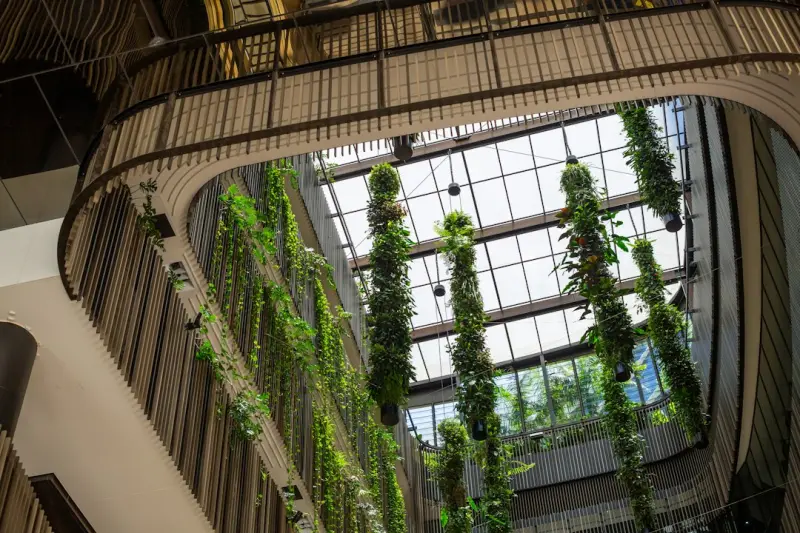
Design‑Build Meets Biophilic Architecture: A Data‑Driven Playbook for Modern Workspaces
A comprehensive guide shows how design‑build teams can embed biophilic elements—from living wall... Read More
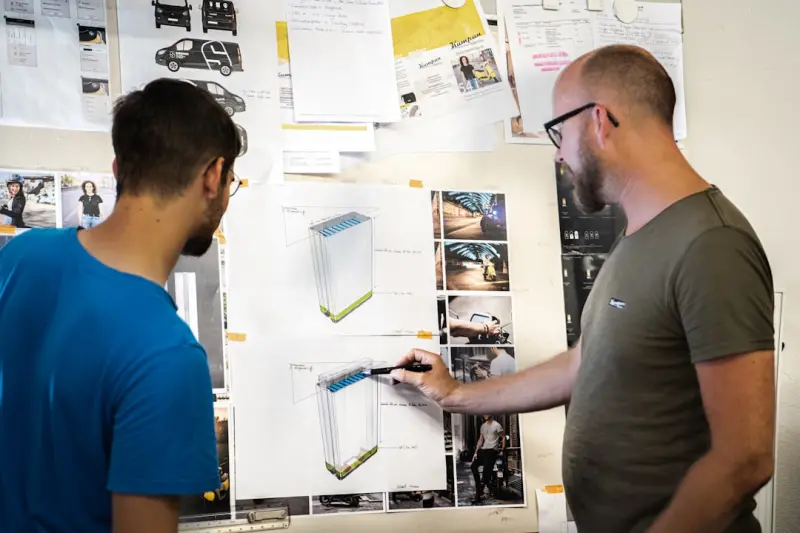
Design‑Build Synergy: Harnessing AI‑Driven Collaboration for Faster Turnkey Projects
A deep dive into AI‑enhanced workflows that unify architects, engineers, and contractors, cutting ... Read More
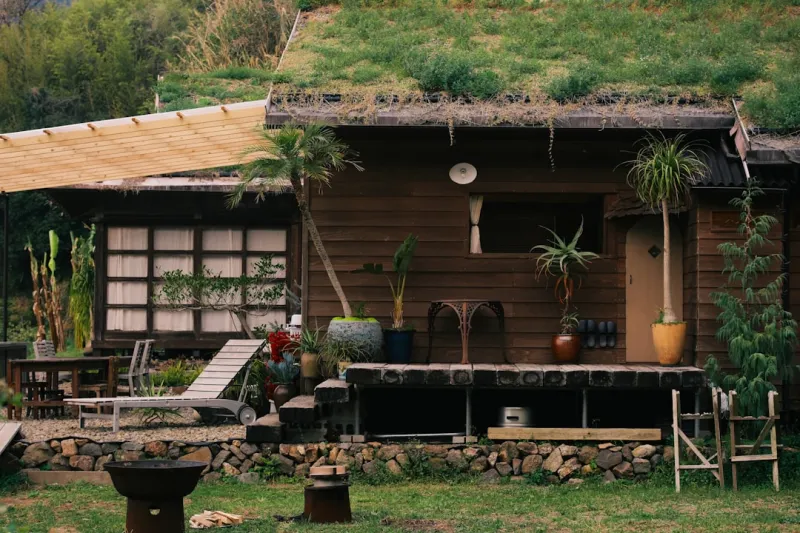
The Future of Design Build: Sustainable Outdoor Spaces Take Center Stage
Sustainable outdoor spaces are no longer just a nicety, but a necessity in modern design build. Lear... Read More
Top Posts
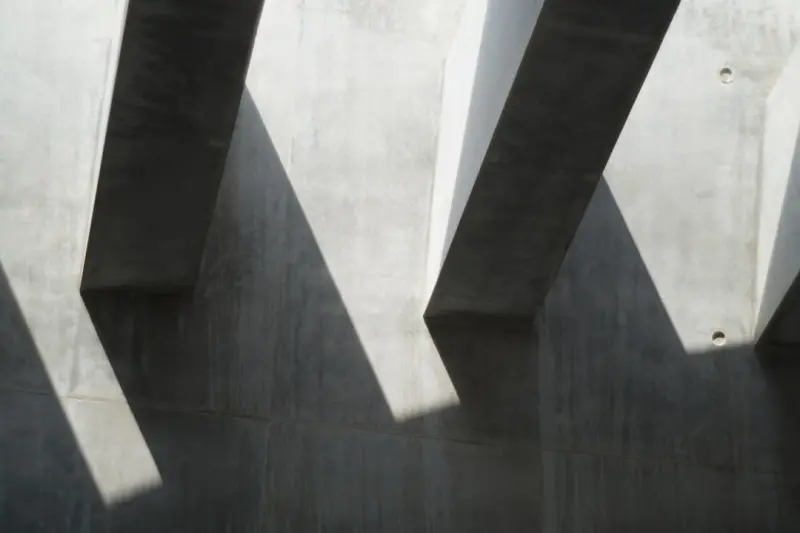
Concrete Reinvented: Turning Grey Slabs into Green Assets
Concrete is shedding its reputation as a static, carbon‑heavy material. This article examines cutting‑edge trends—circular mix designs, self‑healing che...Read More
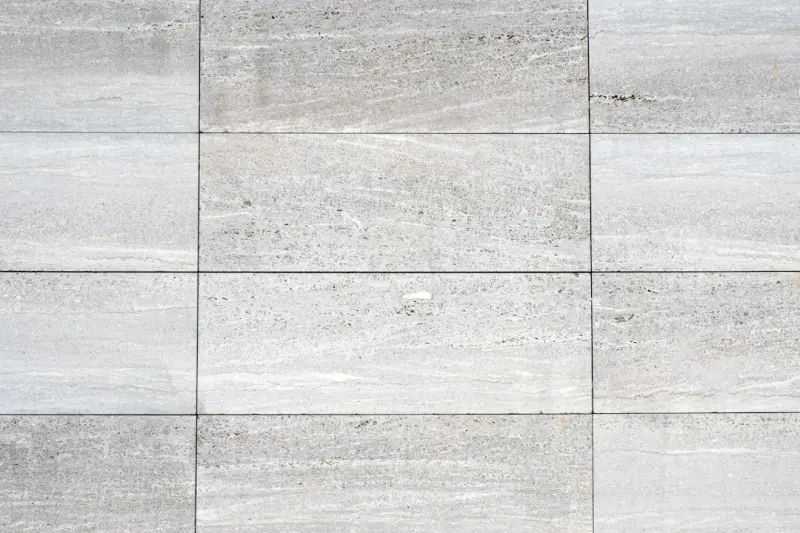
The Quiet Revolution of Intelligent Pavement Systems
Intelligent pavement integrates sensors, permeable designs, and energy‑harvesting tech to turn streets into active, data‑rich assets that improve safety, re...Read More
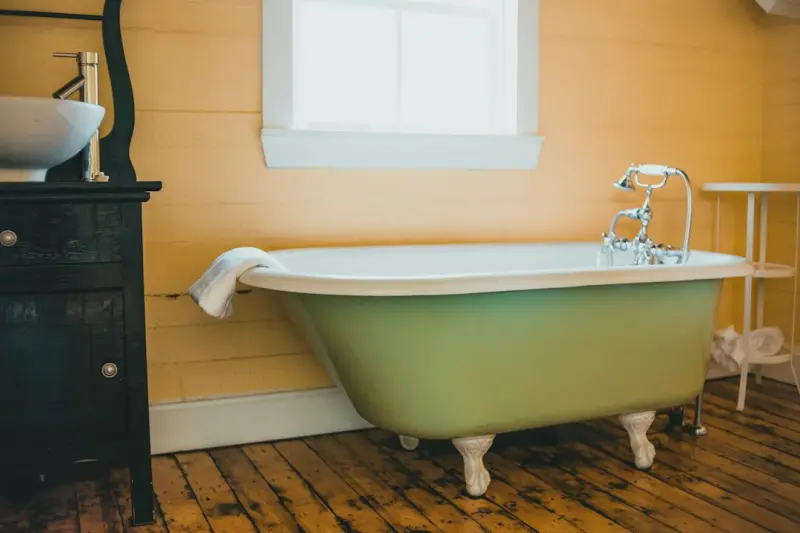
The Strategic Power of Bathtub Refinishing: Cost, Sustainability, and Data‑Driven Value
Bathtub refinishing isn’t just a cosmetic upgrade; it’s a strategic move that cuts costs, reduces environmental impact, and integrates with smart maintenanc...Read More
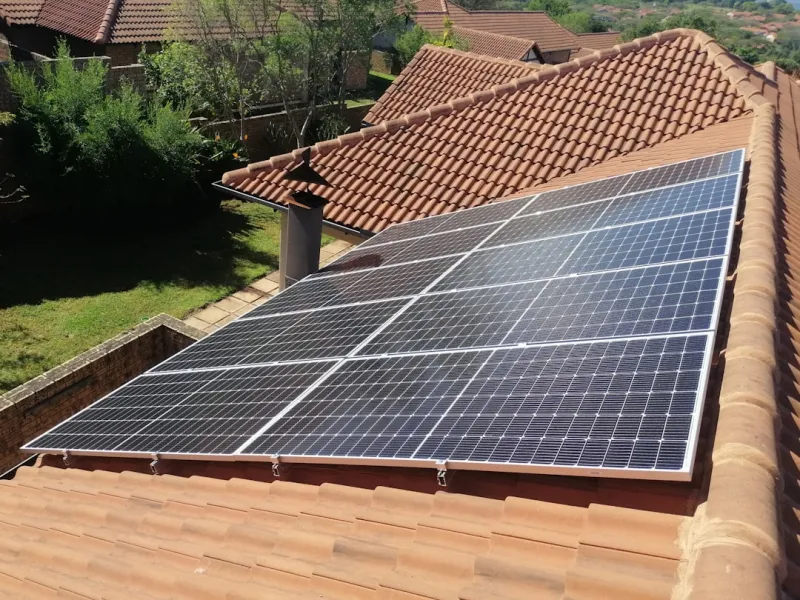
The Role of Energy Inspections in Sustainable Home Renovations
Energy inspections play a crucial role in sustainable home renovations, guiding homeowners toward eco-friendly choices and reduced energy consumption. Learn mor...Read More
0 Comments
Post Comment
You will need to Login or Register to comment on this post!