

Why Sustainable Material Choices Are the New Competitive Edge for Handymen
When I first started taking calls for leaky faucets and squeaky doors, the conversation was always about speed and price. “Can you fix it today? How much will it cost?” The client’s focus was immediate, the repair’s longevity a distant concern. Fast‑forward a few years, and the dialogue has shifted dramatically. Homeowners now ask, “What’s the environmental impact? How long will this last? Can I reduce my carbon footprint without sacrificing quality?” As a handyman, that question is not a passing trend—it’s a signal that the market is demanding smarter, greener solutions.
In this post, I’ll walk you through the practical reasons why integrating sustainable material choices into your service offering is no longer optional. We’ll explore the business case, the psychology of the modern homeowner, and the concrete steps you can take to source, specify, and install low‑impact fixtures that keep your calendar full and your reputation soaring.
The Business Case: More Than Just Green Points
It’s easy to dismiss sustainability as a marketing buzzword, but the numbers tell a different story. According to industry analysts, homeowners are willing to pay up to 15 % more for renovations that incorporate eco‑friendly products. That premium translates into higher margins for you, the contractor, without sacrificing volume. Moreover, sustainable materials often come with longer lifespans, meaning fewer callbacks, fewer warranty claims, and more time to chase new projects.
But the financial upside is only half the equation. By positioning yourself as a “green‑focused handyman,” you differentiate from competitors who still rely on the old “cheapest‑first” playbook. In an increasingly crowded market, niche expertise—whether it’s smart home integration, historic preservation, or sustainable upgrades—acts as a magnet for high‑quality leads. The result? A steadier pipeline, higher client loyalty, and referrals that come with an implicit endorsement of your values.
Understanding the Modern Homeowner’s Mindset
Today’s homeowners are more informed than ever. They read product labels, compare life‑cycle assessments, and scroll through social feeds that celebrate “zero‑waste” makeovers. When they call you, they expect you to speak their language. If you can explain why a reclaimed‑wood vanity outperforms a cheap particle‑board alternative, you instantly earn credibility.
In addition, many jurisdictions are tightening building codes around material sustainability. Even if your local regulations haven’t caught up, you’ll find that permitting offices are beginning to ask for documentation on embodied carbon and recyclable content. Being ahead of the curve not only prevents compliance headaches but also signals to clients that you’re a forward‑thinking professional.
Where to Start: A Handyman’s Sustainable Material Checklist
Below is a practical checklist you can keep in your truck or on your phone. Think of it as a quick reference guide you can pull up when you’re on the job site.
- Reclaimed and Salvaged Wood: Perfect for cabinets, shelving, and decorative trims. Look for local reclamation yards that sort wood by species and condition.
- Low‑VOC Paints and Finishes: Volatile organic compounds contribute to indoor air pollution. Choose water‑based, low‑odor options certified by Green Seal or similar bodies.
- Recycled‑Content Drywall: Modern drywall can contain up to 30 % recycled gypsum, reducing the need for virgin resources.
- Metal Fasteners with High Recycled Content: Stainless steel and galvanized steel bolts made from recycled scrap have a dramatically lower carbon footprint.
- Eco‑Friendly Insulation: Options such as cellulose (recycled newspaper) or denim insulation provide comparable R‑values with less environmental impact.
- Water‑Saving Fixtures: Low‑flow faucets and dual‑flush toilets cut water usage and lower utility bills—an instant win for the client.
- Modular, Disassemblable Systems: Design installations that can be easily taken apart for repair or upgrade, extending the product life cycle.
Each of these items not only reduces environmental harm but also offers tangible benefits to the homeowner—lower operating costs, improved indoor air quality, and a home that feels future‑proof.
Smart Sourcing: Building a Green Supplier Network
Finding the right suppliers is a crucial piece of the puzzle. Start by mapping out local manufacturers and distributors that specialize in sustainable products. Attend trade shows focused on green building, and don’t overlook online marketplaces that certify sellers for eco‑credentials. Establishing relationships with these vendors can yield bulk discounts, priority stock, and insider knowledge on upcoming product lines.
One strategy that has worked wonders for my own business is to create a “preferred vendor” list that you share with clients. Transparency builds trust, and the list can double as a marketing tool: “We work exclusively with suppliers that meet our stringent sustainability standards.” It’s a win‑win—clients feel confident in the products, and suppliers gain exposure to a targeted audience.
Integrating Sustainability Into Your Service Offerings
Now that you have the materials and suppliers covered, it’s time to weave sustainability into the fabric of your services. Here are three ways to do that:
1. Conduct a “Green Audit” During the Initial Consultation
When you arrive for a first‑time estimate, ask the homeowner about their sustainability goals. Use a short questionnaire to gauge interest in low‑VOC finishes, recycled materials, or water‑saving fixtures. This audit not only positions you as a knowledgeable consultant but also uncovers upsell opportunities that align with the client’s values.
2. Offer a “Sustainable Upgrade Package”
Bundle eco‑friendly options into a single, clearly priced package. For example, a “Kitchen Refresh” could include reclaimed‑wood cabinets, recycled‑content countertops, and low‑flow faucets—all at a flat rate. Packaging makes the decision easier for the client and simplifies your quoting process.
3. Document the Environmental Impact
After the job, provide a brief report that quantifies the environmental benefits—e.g., “This faucet saves 2,400 gallons of water per year, equivalent to 15 % of an average household’s annual usage.” Such data is powerful for clients who want to brag about their green home on social media, and it reinforces the value of your service.
Case Study: Turning a Routine Repair Into a Sustainability Win
Last month, I was called to fix a faulty kitchen faucet in a suburban home. The homeowner mentioned they were interested in reducing water usage but didn’t want a full remodel. I suggested swapping the old fixture for a low‑flow, brushed‑nickel model made from 95 % recycled brass. The client loved the idea, and the installation took just under an hour.
Not only did the homeowner receive a modern, water‑efficient faucet, but they also saved an estimated 2,600 gallons of water annually. The small upgrade generated a testimonial that highlighted my commitment to sustainability—a perfect example of how even minor jobs can become brand‑building opportunities.
Tools of the Trade: Maintaining Your Green Edge
Just as you keep your physical tools clean—a topic we explored in Mastering Tool Hygiene—you also need to keep your knowledge base fresh. Subscribe to industry newsletters that focus on sustainable construction, follow green building influencers, and participate in local workshops. Knowledge is the lubricant that keeps your sustainable practice running smoothly.
Furthermore, consider leveraging technology to streamline your workflow. A mobile inventory app can track the availability of eco‑friendly products in real time, ensuring you never have to turn a client down because you ran out of the right material. When you combine a “green inventory” with a modular workshop setup, you create a nimble operation capable of servicing multiple neighborhoods with minimal waste.
Marketing Your Sustainable Handyman Services
Having a solid service offering is only half the battle; you must also communicate it effectively. Here are three marketing tactics that have proven effective:
- Showcase Before‑and‑After Galleries: Highlight projects where you swapped traditional materials for sustainable alternatives. Visual proof is compelling.
- Leverage Customer Testimonials: Encourage satisfied clients to mention the eco‑friendly aspects of the work in reviews.
- Publish Educational Content: Short blog posts, infographics, or video clips explaining the benefits of reclaimed wood or low‑VOC paints position you as an authority.
When you consistently speak the language of sustainability across your website, social channels, and on‑site interactions, you attract the segment of homeowners who are actively seeking green solutions.
Overcoming Common Objections
Despite the clear benefits, some clients still balk at “green” options, often citing cost or perceived performance concerns. Here’s how to address those objections:
Cost
Explain the total cost of ownership. While the upfront price may be slightly higher, the longer lifespan and reduced utility bills offset the initial spend. Offer a cost‑comparison spreadsheet if needed.
Performance
Show certifications and third‑party testing results. Many sustainable products meet or exceed industry standards, and sharing those data points builds confidence.
Availability
Maintain a stocked inventory of the most popular green items, and have a clear lead‑time estimate for specialty products. Transparency about delivery schedules reduces frustration.
Future Trends: Where Sustainable Handyman Work Is Headed
Looking ahead, a few trends will shape the sustainable handyman landscape:
- Biodegradable Materials: Emerging composites made from plant fibers will replace certain plastics in fixtures.
- IoT‑Enabled Water Sensors: Devices that detect leaks in real time will become standard, allowing handymen to offer proactive maintenance packages.
- Carbon‑Neutral Service Models: Some firms will offset their travel emissions, turning the entire service experience green.
By staying ahead of these trends, you can position your business not just as a service provider but as a partner in your clients’ long‑term sustainability journey.
Take the First Step Today
Switching to sustainable material choices doesn’t require a massive overhaul of your business overnight. Start small: replace a single product line, update your marketing messaging, or add a “green audit” to your initial consultations. As you see the positive impact on your margins, client satisfaction, and environmental footprint, you’ll naturally expand the approach.
Remember, the handyman industry is at a crossroads where tradition meets innovation. By embracing sustainable materials, you’re not just fixing leaks—you’re building a legacy of responsible craftsmanship that resonates with today’s eco‑conscious homeowner.

David MacKinnon is a dynamic freelance writer known for his captivating storytelling and keen insights into the world of technology. With a passion for exploring the intersection of innovation and everyday life, he crafts engaging narratives that not only inform but also inspire his readers.
Related Posts
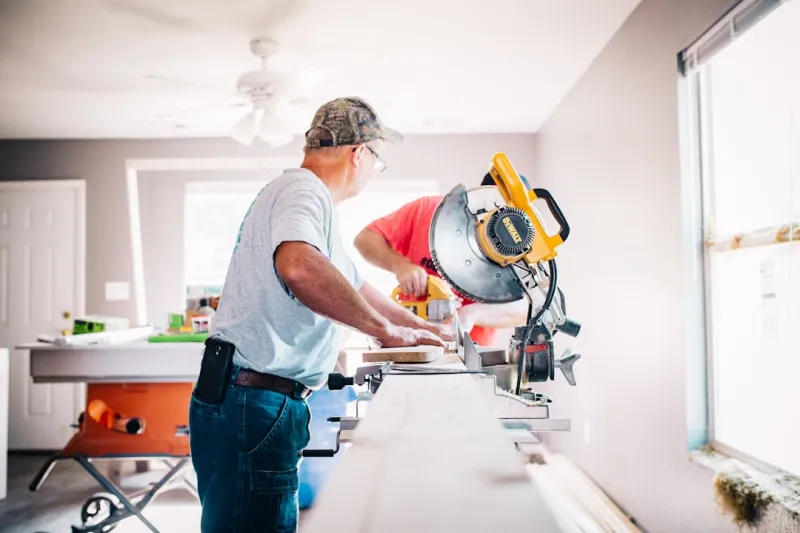
Expert Handyman Tips for a Comfortable and Efficient Home
Improve your home's comfort and efficiency with expert handyman tips. Learn how smart renovations, f... Read More

Handyman Hacks for Sustainable Home Fixes
A veteran handyman shares sustainable repair strategies, from water‑saving fixtures to green clean... Read More

The Handyman’s Guide to Digital Efficiency: Boosting Profits with Tech
Learn how modern handymen can harness scheduling software, mobile payments, and digital inventory to... Read More
Top Posts
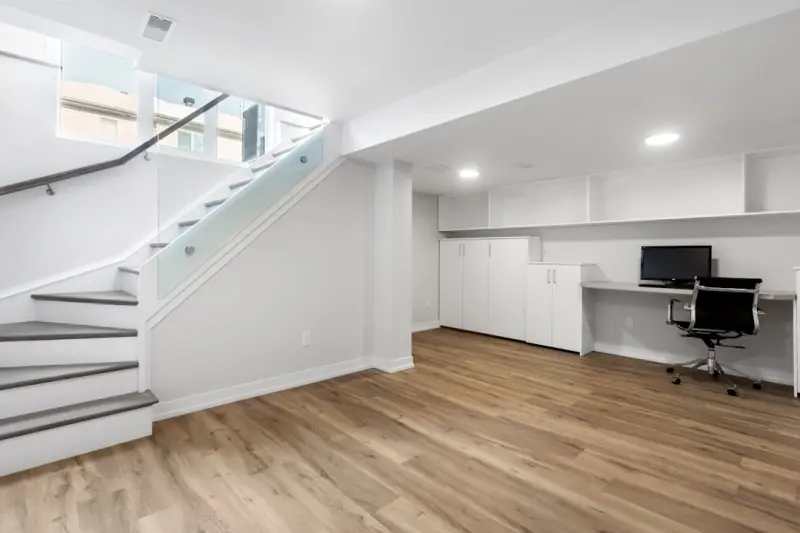
Turning Your Basement Into a Holistic Wellness Sanctuary
Learn step‑by‑step how to convert an underused basement into a holistic wellness retreat, covering air quality, artificial daylight, soundproofing, biophili...Read More

Designing a Sustainable Sanctuary: Interior Trends that Transform Your Home
Discover how to blend style, sustainability, and smart technology in interior design, creating a home that feels both luxurious and responsibly curated....Read More

The Ultimate Renovation Checklist: From Vision to Victory
A comprehensive renovation checklist walks you through defining your vision, budgeting, permits, contractor selection, timeline, material sourcing, waste manage...Read More
Transforming Light: The Latest Window Treatment Trends for a Sustainable Home
Explore how modern window treatments merge design, technology, and sustainability, offering smarter light control, energy savings, and fresh style for any home....Read More
0 Comments
Post Comment
You will need to Login or Register to comment on this post!