
Why Insulation Is the Unsung Hero of Sustainable Living
When I first started swapping out old windows in my dad’s 1970s ranch, I quickly realized that the drafty walls were the real energy vampires. Insulation isn’t just about keeping heat in during winter and out in summer; it’s the silent workhorse that determines whether a home’s heating and cooling systems are forced to work overtime or can operate at their most efficient. My own projects have shown that a modest upgrade in the attic or basement can shave 10‑15 % off monthly utility bills, a figure that adds up dramatically over the years. The feeling of stepping into a room that stays comfortably cool in July without the furnace humming like a jet engine is pure satisfaction, and that’s the core of why I champion insulation in every renovation plan.
Choosing the Right Insulation: Materials That Match Your Climate
There’s no one‑size‑fits‑all solution when it comes to insulating a home, and the first step is to match the material to your regional climate and building envelope. In colder zones, dense‑pack cellulose or spray‑foam provide the high R‑values needed to trap heat, while in milder climates, blown fiberglass or blown-in denim can offer sufficient performance with lower cost. I’ve learned that the “right” choice also hinges on moisture considerations; for instance, closed‑cell spray foam creates a vapor barrier that protects basements from seepage, whereas open‑cell options allow walls to breathe, reducing the risk of mold. By consulting the local building code and evaluating the specific challenges of the structure, you can avoid the pitfall of over‑insulating or under‑insulating, both of which can compromise comfort and energy savings.
Understanding R‑Value and Its Real‑World Impact
The R‑value, or resistance value, is the metric that quantifies an insulation material’s ability to resist heat flow; higher numbers mean better performance. However, the real‑world impact of an R‑value is influenced by installation quality, continuity, and thermal bridging. In my experience, even the highest‑rated foam can underperform if gaps are left around joists or if studs aren’t properly sealed. That’s why I always recommend a comprehensive audit that checks for air leaks, especially around windows, doors, and recessed lighting fixtures. By combining a solid R‑value with meticulous sealing, you create a thermal envelope that truly minimizes heat loss and gain, translating directly into lower energy consumption and a smaller carbon footprint.
Installation Tips: Sealing Gaps and Avoiding Common Mistakes
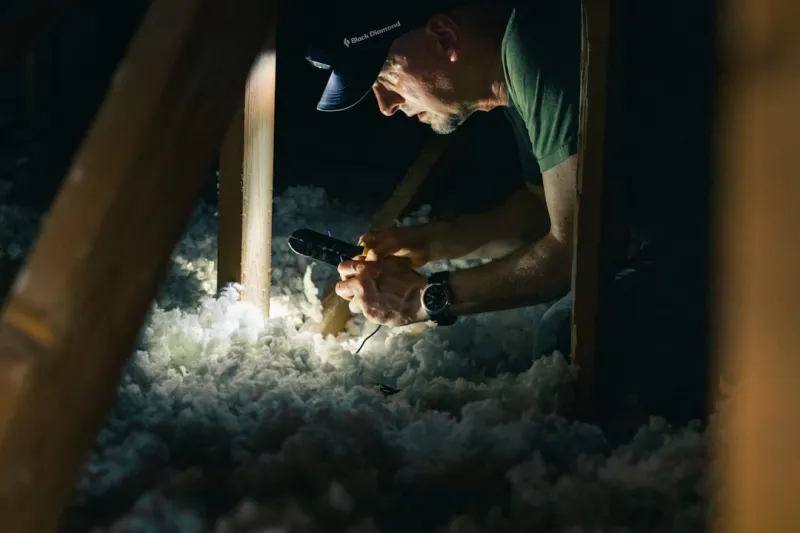
One of the most rewarding aspects of insulation work is the instant feedback you get when you close a gap that was letting conditioned air escape. I always start by using expanding foam sealant on all penetrations—pipes, wiring, and vent chases—before laying down bulk insulation. When installing batts, I make sure they’re cut to fit snugly between studs, eliminating compression that can reduce effectiveness. For blown‑in insulation, the key is achieving an even density; too light and you’ll have air pockets, too heavy and you risk sagging. Safety is also paramount: wear protective gear, ensure proper ventilation, and never ignore the importance of a fire‑rated vapor barrier where required. These small, deliberate steps prevent future headaches and maximize the performance of your insulation investment.
Integrating Insulation with Smart, Sustainable Heating & Cooling
Insulation and HVAC systems are two sides of the same energy‑efficiency coin. When you pair a well‑insulated envelope with a Smart, Sustainable Heating & Cooling strategy, the results are exponential. For example, a properly insulated attic reduces the load on a heat pump, allowing it to operate at a higher Seasonal Energy Efficiency Ratio (SEER) and cut electricity use. Likewise, zone‑controlled thermostats can take advantage of the stable temperatures that good insulation provides, delivering comfort only where it’s needed. I’ve seen homes where upgrading the insulation alone lowered heating demands by 30 %, and when combined with a smart thermostat, overall energy savings topped 45 %. This synergy not only lowers bills but also extends the lifespan of HVAC equipment, reducing waste and maintenance costs.
DIY Wins: Small Fixes That Lead to Big Sustainable Gains
Even if you’re not ready for a full‑scale insulation overhaul, there are plenty of quick wins that deliver measurable benefits. Adding weatherstripping to doors, sealing attic hatch gaps with foil‑backed insulation, or applying reflective radiant barriers behind drywall can each shave off a noticeable portion of your energy use. In my toolbox, I keep a roll of low‑VOC spray foam for those hard‑to‑reach crevices around electrical boxes—an easy fix that prevents drafts without the mess of bulk material. For inspiration and step‑by‑step guidance, check out Handyman Hacks, where I break down the most effective low‑cost upgrades that any homeowner can tackle over a weekend.
Eco‑Friendly Insulation Options: From Recycled Denim to Sheep’s Wool
When sustainability is a priority, the choice of insulation material can reinforce your green credentials. Recycled denim batts, made from post‑consumer cotton fibers, offer comparable R‑values to fiberglass while being free of formaldehyde and other irritants. Sheep’s wool is another renewable option that naturally regulates humidity, absorbing and releasing moisture without compromising its insulating properties. I’ve installed both in recent remodels, and homeowners love the added comfort and the fact that the materials are biodegradable at the end of their life cycle. For those seeking a truly circular solution, look for products that incorporate reclaimed newspaper or wood fiber, which divert waste from landfills while delivering solid thermal performance.
Cost vs. ROI: Making the Financial Case for Insulation
Investing in insulation often raises the question: will the savings offset the upfront cost? The answer lies in a simple cost‑benefit analysis that considers local energy rates, climate severity, and the existing building envelope. In most regions, homeowners see a payback period of 3‑5 years when they combine insulation upgrades with other efficiency measures like LED lighting and low‑flow fixtures. Moreover, many utilities offer rebates or tax incentives for energy‑saving improvements, further shortening the ROI timeline. From my perspective, the intangible benefits—enhanced comfort, reduced noise, and increased property value—are equally compelling, making insulation one of the smartest upgrades you can make to future‑proof a home.
Looking Ahead: Emerging Trends in Insulation Technology
The future of insulation is shaping up to be as innovative as it is sustainable. Aerogel blankets, once reserved for aerospace, are now entering the residential market, offering ultra‑high R‑values in thin profiles—ideal for retrofit projects where space is limited. Phase‑change materials (PCMs) are being integrated into wallboards, allowing walls to store and release thermal energy as temperatures fluctuate. I’m particularly excited about bio‑based foams derived from soy or castor oil, which promise the performance of traditional polyurethane without the reliance on petrochemicals. As these technologies mature, they will become more accessible, allowing homeowners and builders alike to push the envelope of energy efficiency while staying true to green building principles.

William Roy is a freelance writer originally from Montreal who moved to Ottawa with his wife of 50 years to be closer to their grandkids. Alongside his writing, William has a passion for fishing.
Related Posts

Insulation Unlocked: Turning a Hidden Layer into a Strategic Advantage
Insulation isn’t just about R‑values; it’s a health shield, carbon reducer, and data‑rich as... Read More
The Evolution of Insulation: How Modern Materials Are Changing the Game
The evolution of insulation materials and techniques is transforming home construction and maintenan... Read More

Insulation Insights: Turning Your Home’s Skin Into a Smart, Sustainable Shield
Explore a fresh take on insulation that balances eco‑friendly materials, smart home integration, a... Read More
Top Posts

Connected Fencing: How IoT Redefines Perimeter Management for Modern Enterprises
A fence is no longer just a barrier. Learn how connected fencing leverages sensors, solar power, and AI to deliver security, sustainability, and data-driven ins...Read More
Radiant Floor Heating: The Unsung Building Hero
Radiant floor heating offers consistent warmth, better indoor air quality, and data‑driven efficiency, making it a strategic asset for modern commercial build...Read More

From Flood to Future‑Proof: A Data‑Driven Blueprint for Home Restoration
Discover a step‑by‑step, data‑driven approach to post‑flood home restoration that blends modern technology with traditional craftsmanship, ensuring a re...Read More
Smart Sensors Meet Home Restoration: A New Age of Precision
A deep dive into the role of smart sensors in modern home restoration, revealing how data‑driven insights, sustainable materials, and proactive maintenance ar...Read More
0 Comments
Post Comment
You will need to Login or Register to comment on this post!