
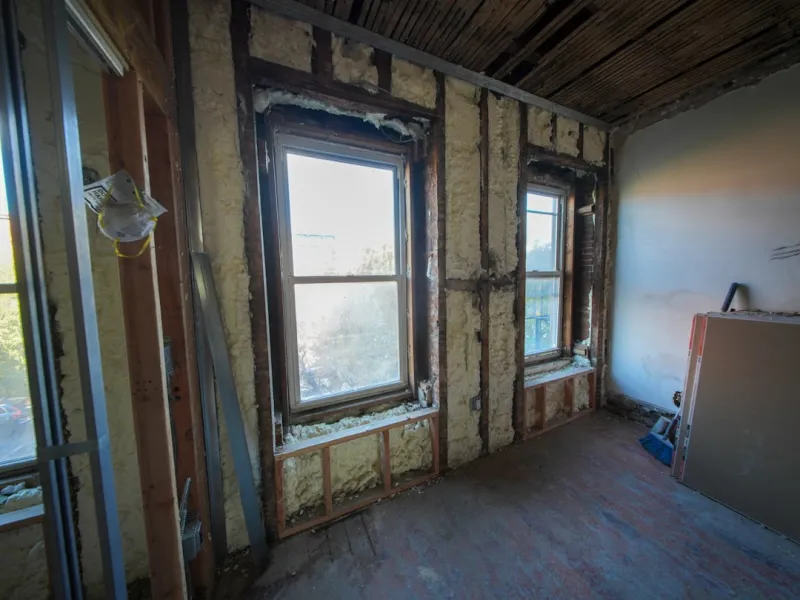
The Evolution of Insulation: How Modern Materials Are Changing the Game
As a seasoned expert in the field of home construction and maintenance, I've seen firsthand the impact that insulation can have on a home's comfort, energy efficiency, and overall value. For years, insulation was a relatively simple concept – add some fiberglass batts to your walls, attic, and floors, and call it a day. But as building codes and energy efficiency standards have evolved, so too have the materials and techniques used to insulate our homes. In this article, I'll explore the latest advancements in insulation technology, discuss their benefits and applications, and provide guidance on choosing the best insulation solutions for your home.
The Importance of Insulation in Modern Home Construction
Insulation plays a critical role in maintaining a comfortable indoor climate, reducing energy consumption, and protecting homes from the elements. Without proper insulation, homes can be prone to heat loss, moisture damage, and increased energy bills. In fact, according to the U.S. Department of Energy, a well-insulated home can save homeowners up to 30% on their energy bills. That's why it's essential to stay up-to-date on the latest insulation materials and techniques. For instance, modern insulation materials like spray foam and radiant barrier insulation are revolutionizing the way we think about insulation.
The Rise of Eco-Friendly Insulation Options
One of the most significant trends in insulation today is the growing demand for eco-friendly and sustainable materials. Homeowners are becoming increasingly aware of the environmental impact of their building choices, and insulation is no exception. Materials like recycled denim, fiberglass, and wool insulation are gaining popularity due to their high performance, sustainability, and reduced environmental footprint. For example, modern insulation materials like recycled denim insulation are not only eco-friendly but also provide excellent thermal performance and moisture resistance.
The Benefits of Advanced Insulation Materials
So, what are the benefits of these advanced insulation materials? For starters, they offer improved thermal performance, which can lead to significant energy savings over time. They also tend to be more durable and long-lasting than traditional insulation materials, reducing the need for costly repairs and replacements. Additionally, many modern insulation materials are designed to be more environmentally friendly, reducing waste and minimizing the environmental impact of construction. Some of the key benefits of advanced insulation materials include:
- Improved thermal performance and energy efficiency
- Increased durability and lifespan
- Reduced environmental impact and waste
- Enhanced moisture resistance and protection
The Role of Insulation in Energy Efficiency
Insulation plays a critical role in energy efficiency, and its importance cannot be overstated. A well-insulated home can reduce heat loss in the winter and heat gain in the summer, leading to significant energy savings. In fact, according to the U.S. Department of Energy, a well-insulated home can save homeowners up to 30% on their energy bills. That's why it's essential to choose the right insulation materials and techniques for your home. For instance, energy inspections can help identify areas of energy inefficiency in your home, including insulation gaps and weaknesses.
Choosing the Right Insulation for Your Home
With so many insulation materials on the market, choosing the right one for your home can be overwhelming. Here are a few factors to consider when making your decision:
- Climate and weather conditions: Different insulation materials perform better in different climates and weather conditions.
- Budget and cost: Insulation materials vary significantly in cost, so it's essential to choose a material that fits your budget.
- Environmental impact: If sustainability is a priority, look for insulation materials made from recycled or natural materials.
- Performance and durability: Choose an insulation material that offers high performance and durability to minimize the need for repairs and replacements.
The Future of Insulation: Trends and Innovations
As building codes and energy efficiency standards continue to evolve, it's likely that insulation materials and techniques will continue to innovate and improve. Some of the trends and innovations to watch in the future of insulation include:
- Increased use of recycled and sustainable materials
- Development of new insulation materials with improved performance and durability
- Integration of insulation with other building systems, such as HVAC and renewable energy
- Greater emphasis on energy efficiency and sustainability in building codes and standards
Conclusion
In conclusion, the evolution of insulation materials and techniques is transforming the way we think about home construction and maintenance. By choosing the right insulation materials and techniques for your home, you can improve energy efficiency, reduce environmental impact, and enhance overall comfort and value. Whether you're a homeowner, builder, or contractor, it's essential to stay up-to-date on the latest advancements in insulation technology. By doing so, you can ensure that your home is well-insulated, energy-efficient, and protected for years to come.

Tom Ferguson is a Canadian freelance writer with a passion for storytelling, current events, and thoughtful commentary. Drawing on years of writing experience, he shares engaging insights on a wide range of topics, bringing a uniquely Canadian perspective to his work.
Related Posts

Beyond the Walls: Hidden Insulation Opportunities to Maximize Home Comfort
I’ve uncovered the secret insulation zones most homeowners ignore—floor joists, attic hatches, a... Read More
The Hidden Power of Insulation: How to Boost Comfort and Cut Bills
Explore the essential role of insulation in sustainable homes, from material choices to DIY upgrades... Read More
Insulation Unlocked: Turning a Hidden Layer into a Strategic Advantage
Insulation isn’t just about R‑values; it’s a health shield, carbon reducer, and data‑rich as... Read More
Top Posts
From Parking Spot to Power Hub: Rethinking Garage Construction for the Modern Maker
Learn how to transform a standard garage into a sustainable, high‑performance hub using data‑driven design, smart foundations, circular material reuse, and ...Read More
Reconfigurable Flooring: The Unsung Hero of Hybrid Workplaces
Reconfigurable flooring offers a flexible, sustainable, and brand‑enhancing solution for modern hybrid workplaces, delivering acoustic comfort, easy integrati...Read More
Quiet Strength: Building Acoustic‑Smart Homes
Explore the art of building homes that silence the outside world while staying green and energy‑efficient, using mass timber and smart acoustic strategies....Read More

Cultivating a Sensory Garden: A Personal Journey to Outdoor Wellness
A personal guide to building a sensory garden that balances beauty, edible harvests, wildlife, and sustainable practices, turning any yard into a wellness oasis...Read More
0 Comments
Post Comment
You will need to Login or Register to comment on this post!