

Why Tiles Are No Longer Just a Pretty Face
When most people think about tiling, the image that pops up is a glossy backsplash or a pristine bathroom floor. That’s the visual side of the story, but as someone who’s spent more time on a job site than on a couch, I’ve learned that tiles are becoming the central nervous system of modern buildings. They’re not just a surface to look at; they’re a platform for technology, a tool for acoustic comfort, and a conduit for sustainable energy strategies.
From Static Slabs to Interactive Surfaces
Imagine walking across a hallway and the floor lights up in response to your steps, or a conference room where the tiles whisper the ambient noise level back to the building’s HVAC system. These scenarios sound like something out of a sci‑fi movie, yet they’re already being piloted in forward‑thinking offices and boutique hotels. The catalyst? A new generation of sensor‑embedded tiles that blend ceramic durability with IoT connectivity.
- Pressure sensors detect foot traffic patterns, allowing facility managers to optimize cleaning schedules and reduce labor costs.
- Temperature probes feed real‑time data to underfloor heating controllers, ensuring rooms stay warm without wasteful overshooting.
- Acoustic microphones embedded in the grout line pick up reverberation levels, informing smart acoustic panels when to deploy sound‑absorbing treatments.
What’s striking is how these tiny devices are invisible to the eye, preserving the tile’s aesthetic while unlocking a suite of performance benefits.
Acoustic‑Centric Tiling: Quieting the Chaos
One of the biggest complaints in open‑plan offices is the lack of acoustic privacy. While acoustic panels and ceiling clouds are common fixes, they often clash with design intent. The answer can be as simple as the tile itself. By selecting tiles with porous glaze or incorporating a thin layer of sound‑absorbing backing, you create a floor that acoustic‑centric design can rely on without sacrificing visual continuity.
In practice, this means a conference room’s perimeter tiles are engineered to dampen footfall noise, while central tiles maintain a high‑gloss finish for visual impact. The result? A space that feels both lively and controlled, with less reliance on bulky acoustic treatments.
Underfloor Heating Gets Smarter
Underfloor heating has always been a favorite for its even warmth and sleek look, but traditional systems are “set‑and‑forget.” Pairing them with sensor‑rich tiles changes the game. The embedded temperature probes can communicate directly with a building management system (BMS), allowing heating to ramp up only where occupants are present. This zoned approach slashes energy consumption by up to 30% in many case studies.
Furthermore, because the tiles act as a consistent heat distribution layer, the system can operate at lower water temperatures, making it compatible with renewable heat sources like heat pumps. The synergy between tile technology and green heating is a perfect example of how design and sustainability can walk hand‑in‑hand.
Digital Permits and Tile Installation: A Faster Path to Completion
Speed is a prized commodity on any construction schedule. Historically, tile work has been a bottleneck, thanks to lengthy inspection cycles and paperwork. The rise of digital permits is eroding that barrier. Contractors can now submit tile layout plans, grout specifications, and compliance documents online, receiving instant feedback from code officials.
Beyond speed, digital permits also improve quality. The platform enforces a checklist that ensures proper substrate preparation, moisture barriers, and expansion joint placement before the first tile is laid. When the installer follows a digitally‑validated plan, the risk of future cracking or delamination drops dramatically.
Design Flexibility: Large‑Format Tiles as Spatial Continuity Tools
Large‑format tiles—think 24×48 inches or even larger—have been a design trend for a while, but their functional benefits are often underappreciated. By spanning entire rooms, they eliminate visual breaks caused by grout lines, creating a sense of continuity that can make a modest space feel expansive.
From a practical standpoint, fewer grout lines mean less maintenance. In high‑traffic commercial corridors, this translates to lower cleaning costs and longer life for the surface. Pair this with a low‑absorption porcelain body, and you have a tile that resists stains, moisture, and even impact damage.
Tile as a Sustainable Material Choice
When sustainability conversations center on steel, concrete, and timber, tile is often overlooked. Yet ceramic and porcelain tiles have a surprisingly low embodied carbon footprint, especially when sourced from manufacturers that use renewable energy and recycled raw materials. Moreover, their longevity—often exceeding 50 years—means they won’t end up in a landfill for decades.
Another sustainability angle is the ability to reclaim and reuse tiles. When a renovation calls for a new look, salvaged tiles can be re‑grouted and installed elsewhere, preserving both heritage and resources. This practice dovetails nicely with the broader industry push toward circular construction.
Integrating Tiles with Smart Lighting
Lighting designers have begun to view tiles as an extension of the lighting plane. By embedding LED strips beneath translucent tiles, you can create a subtle underglow that changes color based on time of day or occupancy. In hospitality settings, this can guide guests through lobbies without the need for overt signage.
Because the LEDs are protected by the tile surface, the system is durable and low‑maintenance. It also offers an aesthetic advantage—no exposed fixtures, just a seamless wash of light that enhances the architectural intent.
Practical Tips for Contractors Ready to Embrace the Next‑Gen Tile
If you’re a contractor or a project manager, the transition to tech‑enhanced tiling might feel daunting. Here are some actionable steps to get you started:
- Partner with manufacturers that provide data sheets for sensor‑enabled tiles. Verify warranty terms for both the tile and the embedded electronics.
- Upgrade your crew’s training on substrate preparation for large‑format and sensor tiles. A flat, stable base is critical for both performance and the longevity of embedded devices.
- Leverage digital permit platforms early in the design phase. Submit your tile layout and technical specs for pre‑approval to avoid costly change orders.
- Coordinate with the BMS team to map out data flow from tile sensors to the central control system. Early integration prevents “orphaned” devices that collect data without a use case.
- Consider maintenance access when specifying underfloor heating or LED systems. Provide service panels that allow technicians to reach wiring without breaking grout.
Case Study: A Boutique Hotel’s Journey from Classic Marble to Smart Tile
One recent project I consulted on involved a boutique hotel located in a historic district. The owner wanted to preserve the classic elegance of marble while meeting modern performance standards. The solution? A high‑gloss, large‑format porcelain tile with a marble‑look finish, embedded with temperature sensors and low‑profile LED backlighting.
Results were impressive:
- Guest rooms reported a 22% reduction in heating energy usage thanks to zone‑based underfloor heating controlled by tile sensors.
- Noise complaints dropped by 40% after implementing acoustic‑enhanced perimeter tiles.
- Cleaning crews saved an estimated 15 hours per month due to reduced grout line maintenance.
- The hotel earned a sustainability certification, citing the long lifespan and recycled content of the tile.
This project illustrates how a thoughtful tile strategy can deliver aesthetic fidelity, operational efficiency, and environmental credentials all at once.
Future Outlook: What’s Next for Tiling?
Looking ahead, I see three key trends shaping the tile industry:
- Biophilic Tiles – Tiles that incorporate natural textures and even living moss panels, fostering a connection to nature inside built environments.
- Energy‑Harvesting Surfaces – Piezoelectric tiles that convert foot traffic into usable electricity, powering low‑energy devices like sensors or Wi‑Fi repeaters.
- AI‑Optimized Layouts – Software that analyzes room geometry, traffic patterns, and acoustic needs to automatically generate the most efficient tile layout, complete with sensor placement recommendations.
These innovations will further blur the line between “material” and “technology,” cementing tile’s role as a foundational element of smart, sustainable architecture.
Conclusion: Re‑thinking Tiles as a Strategic Asset
Tiles have always been about durability and visual appeal. Today, they’re evolving into a multi‑functional platform that supports energy efficiency, acoustic comfort, and data‑driven building operations. By embracing sensor‑enabled products, leveraging digital permitting, and integrating tiles with heating, lighting, and acoustic strategies, you can transform a simple floor or wall into a strategic asset that adds measurable value to any project.
Whether you’re a contractor, architect, or property owner, the time has come to look beyond the surface and recognize that the humble tile can be a conduit for innovation, sustainability, and performance.

Tom Ferguson is a Canadian freelance writer with a passion for storytelling, current events, and thoughtful commentary. Drawing on years of writing experience, he shares engaging insights on a wide range of topics, bringing a uniquely Canadian perspective to his work.
Related Posts

Next‑Gen Tiles: Adaptive, Sustainable, and Sensory
Discover the future of tiling: smart sensors, reclaimed materials, acoustic cores, and thermal‑mas... Read More

Tiles as Data Hubs: Turning Floors into Smart, Sustainable Platforms
Discover the evolving role of tiles from decorative finishes to intelligent platforms that boost ene... Read More

Tiles as Storytellers: Turning Floors and Walls into Narrative Canvases
Explore the art of tiling beyond function—learn to choose materials, master layouts, integrate tec... Read More
Top Posts

Renovation Checklist: A Strategic Playbook for Seamless Transformations
An in‑depth, actionable renovation checklist that walks you through every phase—from planning and permitting to final walkthrough—ensuring a smooth, costâ...Read More

Smart Foundations: How Embedded Sensors are Redefining Structural Integrity
Embedding IoT sensors into building foundations transforms them from passive supports into active, data‑rich systems that detect settlement, moisture, and loa...Read More

The Hidden Power of Insulation: How to Boost Comfort and Cut Bills
Explore the essential role of insulation in sustainable homes, from material choices to DIY upgrades, and learn how smart upgrades can dramatically lower energy...Read More
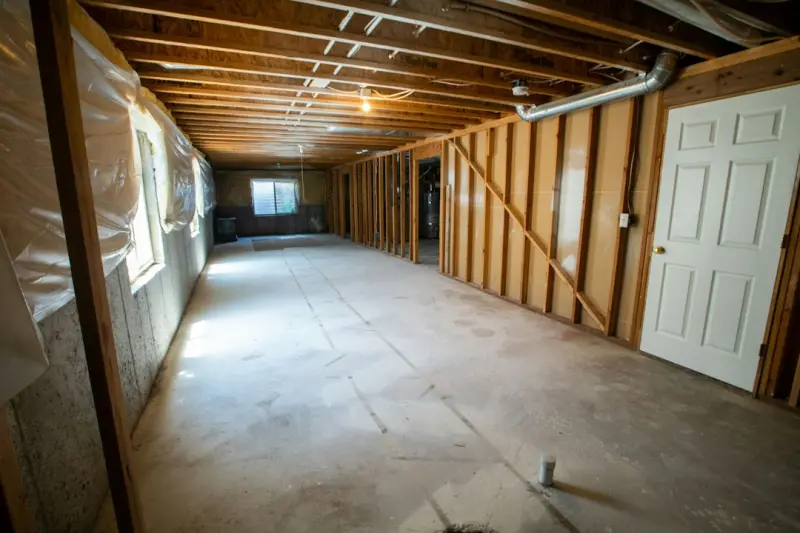
Future‑Proofing Your Basement: A Resilient Retreat for Storms and Smart Living
Discover a data‑driven, phased approach to waterproofing, intelligent walls, and adaptive design that turns any basement into a resilient, smart living space ...Read More
0 Comments
Post Comment
You will need to Login or Register to comment on this post!