
Why Sound Matters When You Choose a Floor
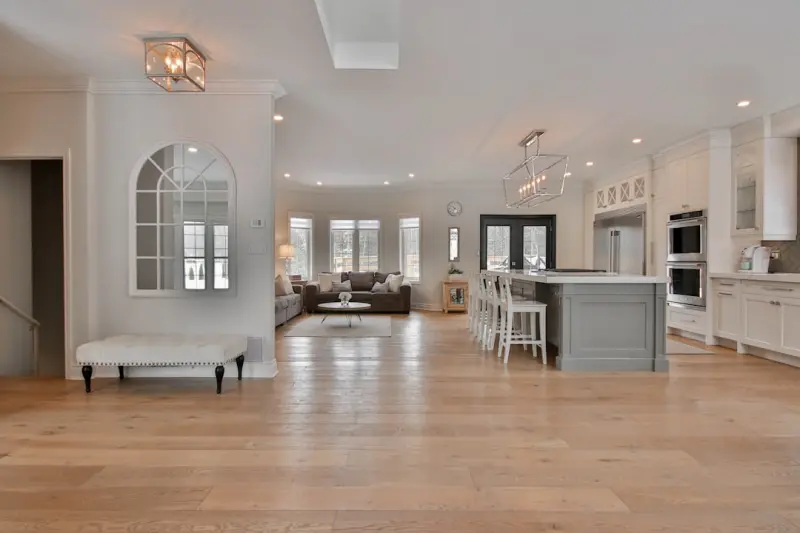
Most homeowners underestimate how a floor can become the invisible conductor of sound, turning a lively living room into a reverberating echo chamber or, conversely, muffling the subtle notes of a favorite vinyl record, and this acoustic impact is directly linked to the density, resilience, and surface texture of the material you lay beneath your feet, which means that every square foot you install carries the potential to either amplify or absorb the daily soundtrack of family life; understanding this hidden relationship empowers you to design spaces where conversation flows naturally, music feels intimate, and home‑office calls are crystal clear without the need for costly sound‑proofing panels later on.
The Science Behind Acoustic Underlayments
Modern acoustic underlayments are engineered from renewable cork, recycled rubber, and proprietary polymer blends that act like microscopic shock absorbers, converting kinetic energy from foot traffic into a gentle heat dissipation process while simultaneously breaking up airborne vibrations before they reach the room above, and because these materials vary in stiffness and mass, selecting the right combination for a hardwood, laminate, or tile surface can reduce impact noise by up to 70 percent, a statistic that is especially compelling for multi‑story homes where upstairs footsteps often become the soundtrack of the downstairs occupants; for readers curious about how material science extends beyond flooring, the principles are similar to those explored in permeable paving solutions, where porosity and elasticity work together to manage both water and sound.
Room‑Specific Flooring Strategies
When you map out a floor plan, think of each zone as a unique acoustic environment: a home studio benefits from a dense, low‑frequency‑absorbing underlayment topped with a medium‑hard wood that offers a balanced tonal response, whereas a home office thrives on a softer, carpet‑compatible substrate that deadens keyboard clatter and muffles the hum of HVAC systems, and for family rooms that double as casual gyms, a hybrid approach that pairs a resilient rubber base with interlocking vinyl tiles provides both impact resistance and a pleasant footfall feel; integrating these targeted choices with broader design concepts such as regenerative landscaping principles creates a harmonious flow between indoor and outdoor ecosystems, reinforcing the idea that sound management begins at the ground level.
Biophilic Flooring: Bringing Nature Inside
Beyond pure acoustics, flooring can serve as a tactile bridge to the outdoors, and biophilic materials like reclaimed timber, sustainably harvested bamboo, and even living moss mats not only offer visual warmth but also possess natural sound‑dampening qualities derived from their porous cellular structures, which scatter sound waves in multiple directions, reducing echo and creating a soothing ambience reminiscent of forest floors; these options align with the growing demand for environmentally conscious interiors, and when paired with smart sustainable awnings that regulate sunlight and temperature, the result is a holistic, energy‑efficient envelope that nurtures both ears and eyes.
Installation Considerations for Acoustic Excellence
Achieving optimal sound performance starts with meticulous subfloor preparation, because any unevenness, moisture intrusion, or structural weakness can translate into unwanted resonances that defeat even the most advanced underlayment, so professionals recommend conducting a moisture test, leveling the base with a self‑levelling compound if necessary, and installing a moisture barrier before laying the acoustic layer, and while DIY enthusiasts can tackle these steps with the right tools and patience, hiring a certified installer ensures that the compression rating of the underlayment matches the intended surface material, preserving both acoustic integrity and warranty coverage.
Maintenance Practices That Preserve Quiet
To keep a floor performing like a quiet partner over years of use, regular maintenance is essential; sweeping or vacuuming with a soft‑bristle attachment removes grit that can scratch the surface and create micro‑gaps that amplify sound, while occasional damp mopping using a pH‑balanced cleaner maintains the material’s elasticity without compromising the acoustic underlayer, and for natural wood options, applying a thin coat of oil or polyurethane every 12‑18 months not only protects against moisture but also sustains the wood’s natural ability to absorb mid‑range frequencies, extending the lifespan of both beauty and silence.
Cost, Value, and Return on Investment
Although high‑performance acoustic flooring can carry a premium price tag compared to standard laminate, the investment often pays off through increased property value, lower energy bills—thanks to the insulating properties of dense underlayments—and reduced need for aftermarket soundproofing solutions, which can cost more than double the original flooring expense; homeowners who prioritize acoustic comfort also report higher satisfaction with home entertainment and remote work experiences, factors that current buyers increasingly weigh when assessing a home’s market appeal, making these floors a smart, future‑proof addition.
Putting It All Together: Your Action Plan
Start by evaluating the primary functions of each room, choose an underlayment that matches the desired sound profile, select a surface material that complements both aesthetics and acoustic goals, prepare the subfloor meticulously, and commit to a regular maintenance routine that respects the material’s natural properties, and as you implement these steps, you’ll notice an immediate reduction in footfall echo, clearer dialogue during video calls, and a more intimate listening experience for music and movies, proving that the right floor truly is the foundation of a peaceful, high‑performing home.

William Roy is a freelance writer originally from Montreal who moved to Ottawa with his wife of 50 years to be closer to their grandkids. Alongside his writing, William has a passion for fishing.
Related Posts

Walking on the Future: How Bio‑Based Flooring is Redefining Healthy Spaces
A deep dive into the emerging world of bio‑based flooring—mycelium panels, hemp composites, and ... Read More

Sustainable Flooring: A Key Component of Eco-Friendly Home Design
Sustainable flooring is a critical component of eco-friendly home design. Learn about the benefits a... Read More

Flooring Trends That Blend Style, Sustainability, and Smart Living
Discover how sustainable materials, smart heating integration, and DIY strategies are reshaping floo... Read More
Top Posts

Reimagining Commercial Spaces: From Blueprint to Business Boost
Explore a fresh perspective on commercial renovations that prioritizes business goals, employee well‑being, and measurable ROI, turning any workspace into a g...Read More

A Practical Guide to Home Electrical Upgrades for Safety and Future‑Proofing
Learn how to evaluate your electrical panel, add safety devices, and plan for EV chargers and batteries—all while keeping your home safe and ready for future ...Read More

Unlock Hidden Comfort: 7 Everyday Home Tweaks That Boost Wellness and Value
Explore seven affordable, high‑impact adjustments—clean ducts, smart plants, modular storage, daylight harvesting, and sustainable finishes—that elevate y...Read More
Beyond Shade: Turning Awnings into Outdoor Living Art
Learn to treat awnings as architectural statements—combining shade, style, and sustainability for an outdoor space that works and wow‑s....Read More
0 Comments
Post Comment
You will need to Login or Register to comment on this post!