
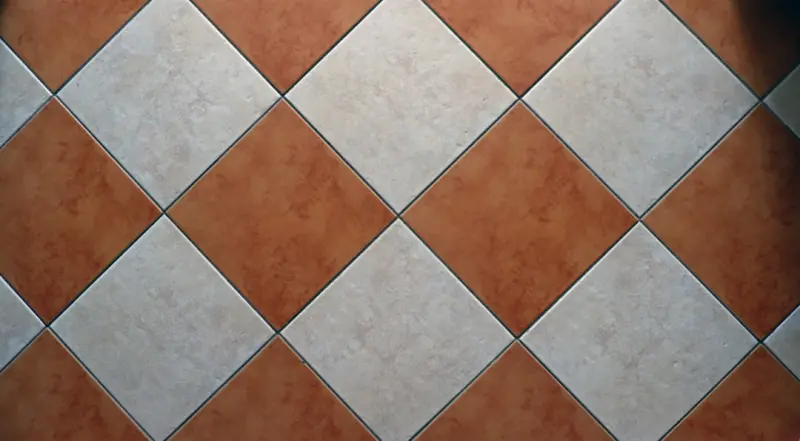
Tiles as Storytellers: Turning Floors and Walls into Narrative Canvases
When I first stood in a loft with cracked concrete and imagined a blank canvas, I realized that tile isn’t just a surface—it’s a medium that can narrate a home’s history, culture, and personality in one cohesive visual language. Every pattern, color, and texture is a word, and the layout is the syntax that binds those words into a compelling story that guests read without ever opening a book. By treating a tile project as a narrative design challenge rather than a routine renovation, you gain the freedom to experiment with rhythm, contrast, and pacing, turning a mundane bathroom or kitchen into a memorable chapter of your living space.
Why Tiles Deserve More Than a Functional Role
Most homeowners approach tiling from a purely practical perspective—water resistance, durability, and ease of cleaning—but this mindset overlooks the psychological impact that a well‑crafted tile scheme can have on daily mood and perception. Research shows that patterned environments can subtly guide movement, influence conversation flow, and even affect appetite, making the strategic placement of tiles a silent but powerful design tool. In my own projects, I’ve seen how a bold geometric floor can energize a workspace, while a soft, muted wall tile can invite relaxation in a reading nook, proving that tiles are capable of shaping both the physical and emotional architecture of a room.
Choosing the Right Tile Material for Performance and Personality
From classic ceramic to luxe natural stone, each tile material brings its own set of strengths, limitations, and aesthetic signatures that must align with the room’s functional demands and the homeowner’s stylistic aspirations. Ceramic and porcelain excel in moisture‑rich zones like bathrooms and kitchens, offering low porosity and high stain resistance, while natural stone such as slate or travertine adds a tactile richness and timeless elegance to living areas and entryways. For those craving a sustainable edge, reclaimed terracotta or recycled glass tiles provide eco‑friendly alternatives that also inject unique imperfections into the design narrative. Below is a quick reference to help you match material to purpose:
- Ceramic/Porcelain – Ideal for high‑traffic, wet zones; easy to maintain.
- Natural Stone – Offers natural slip resistance and organic patterns; requires sealing.
- Glass Tiles – Reflective surface perfect for visual expansion; best on walls.
- Reclaimed Materials – Sustainable, with historic patina; suited for accent walls.
Choosing the right tile is akin to casting the lead actor in a play; the performance of the whole space hinges on that selection.
Mastering Layout: From Classic Grid to Freeform Storytelling
The layout of tiles can either reinforce a room’s order or inject a sense of adventure, and mastering this balance is where the true artistry lies. Traditional straight‑lay or staggered patterns provide a clean, predictable rhythm that can make small spaces feel larger, while diagonal, herringbone, or even random mosaic arrangements break the monotony and guide the eye toward focal points, creating visual journeys across the floor. When I experiment with freeform layouts, I often start with a hand‑drawn sketch that maps out how the pattern will intersect with furniture placement, doorways, and natural light, ensuring that the design flows naturally rather than feeling forced. This strategic choreography turns a simple tile floor into a dynamic stage where everyday life unfolds.
Tools, Techniques, and Pro Tips for a Seamless Install
Even the most imaginative tile concept can falter without the right toolkit and methodical approach; investing in quality tools pays dividends in both efficiency and finish. A laser level is indispensable for maintaining a true plane over large areas, while a high‑performance notched trowel ensures consistent mortar thickness, preventing lippage and uneven joints. I also recommend using a rubber mallet and a soft‑face hammer to gently tap tiles into place without chipping edges, and a carbide‑tipped grout float for smooth, uniform grout lines. For those tackling intricate patterns, a tile cutter with a fine‑tooth blade or a wet saw with a diamond blade can make precise cuts that preserve the integrity of delicate materials. By treating each step—mixing mortar, setting tiles, grouting—as a deliberate act rather than a rushed chore, you safeguard the longevity and visual crispness of the finished surface.
Sustainable Tiling: Reclaimed, Recycled, and Responsible Choices
As environmental consciousness becomes a cornerstone of modern design, tiling offers a surprisingly fertile ground for sustainable innovation without sacrificing style. Reclaimed brick or salvaged subway tiles, sourced from demolished buildings, bring a sense of history and character while diverting waste from landfills, and their irregularities add an organic texture that new‑manufactured tiles often lack. Meanwhile, manufacturers now produce porcelain tiles using recycled glass and industrial by‑products, delivering the same durability with a reduced carbon footprint. Incorporating these options not only supports a circular economy but also allows homeowners to tell a story of renewal through their floors and walls. For inspiration on integrating reclaimed elements, explore Turning Scraps into Signature Pieces where reclaimed materials become focal points rather than afterthoughts.
Integrating Technology: Smart Tiles and Underfloor Heating
The marriage of tactile design and digital convenience is reshaping how we experience tiled spaces, and the rise of smart tiles is at the forefront of this evolution. Embedded sensors can monitor foot traffic, temperature, and even moisture levels, feeding data to home automation systems that adjust underfloor heating or alert you to potential leaks before they become costly repairs. Coupled with radiant heating systems, modern tiles become more than a decorative element—they transform into climate‑controlled platforms that enhance comfort while reducing energy consumption. When planning a tech‑enabled tile installation, consider the compatibility of tile thickness with heating mats, the need for a dedicated thermostat, and the placement of sensor nodes to avoid visual disruption. Embracing these innovations positions your home as a forward‑thinking environment where convenience and design coalesce seamlessly.
Maintenance Secrets: Preserving Beauty for Decades
Even the most premium tile can lose its luster if neglected, but a disciplined maintenance regimen can keep surfaces radiant for generations. The cornerstone of tile care is regular sweeping or vacuuming to remove grit that can scratch glazed finishes, followed by mopping with a pH‑balanced cleaner that respects the tile’s glaze and the grout’s integrity. For natural stone, periodic resealing protects against staining and etching, while grout lines benefit from a penetrating grout sealer applied annually to fend off mold and discoloration. In high‑traffic areas, consider using a low‑viscosity silicone sealant at the perimeter to prevent water infiltration behind the tile. These simple yet consistent habits not only prolong the aesthetic appeal but also safeguard the structural health of the installation, ensuring that the story your tiles tell remains vivid and unmarred.
Future Trends: 3D‑Printed Tiles and Adaptive Surfaces
The horizon of tiling is expanding beyond flat, static panels toward dynamic, responsive surfaces that can adapt to the occupant’s needs and preferences. Emerging 3D‑printing technology enables designers to fabricate bespoke tiles with intricate relief patterns, acoustic properties, or even embedded LED arrays that change color based on ambient light or user input. Adaptive tiles, equipped with shape‑memory alloys, can subtly shift their texture to improve grip in wet conditions or provide a comforting warmth underfoot. While these innovations are still in their infancy, early adopters are already experimenting with modular tile systems that allow sections to be swapped out as trends evolve, reducing waste and extending the lifespan of the overall design. Keeping an eye on these developments ensures that today’s tile decisions remain relevant in tomorrow’s smart‑home landscape.
Final Thoughts: Your Tile Journey Starts With a Single Square
Whether you’re renovating a modest bathroom or reimagining an entire commercial lobby, treating tile as a narrative medium unlocks a realm of creative possibilities that transcend mere functionality. By thoughtfully selecting materials, mastering layout, leveraging sustainable options, and embracing emerging technologies, you craft an environment that reflects both personal identity and forward‑thinking design. Remember, the foundation of a great tile story lies in the details—a subtle grout color, a precise cut, a measured pattern—and in the commitment to maintain its brilliance over time. If you’re ready to embark on this tactile adventure, start by sketching your vision, gathering high‑quality tools, and exploring the wealth of resources available, including the insights from Designing Sensory Architecture. Let your floors and walls speak, and watch how they transform the way you live, work, and connect within your space.

David MacKinnon is a dynamic freelance writer known for his captivating storytelling and keen insights into the world of technology. With a passion for exploring the intersection of innovation and everyday life, he crafts engaging narratives that not only inform but also inspire his readers.
Related Posts

Interactive Tiles: Data, Light & Future Floors
Tiles are evolving from static coverings into smart, data‑rich platforms that sense occupancy, reg... Read More

Sustainable Tiling Strategies: From Selection to Long‑Lasting Installation
Explore sustainable tiling—from material choices and substrate prep to installation hacks—offeri... Read More

The Hidden Power of Tiles: Merging Design, Tech, and Performance
Tiles are evolving from decorative surfaces into smart, sustainable platforms. This post explores se... Read More
Top Posts
Insulation Reimagined: Turning Walls into Smart, Sustainable Energy Guardians
Insulation is evolving from a passive thermal barrier to an active, data‑rich, and sustainable building component. Discover new materials, sensor integration,...Read More

Breathing New Life into Your Home: A Comprehensive Guide to Home Restoration
Learn how to prioritize your home's needs, work with professionals, and stay on budget to achieve a beautiful, functional, and safe home that you'll love....Read More

The Evolution of Plastering: How Sustainable Solutions Are Revolutionizing the Industry
The plastering industry is undergoing a significant transformation, driven by the growing demand for sustainable solutions. Learn how eco-friendly materials and...Read More

The Ultimate Guide to Snow Removal: Tips, Techniques, and Best Practices
Snow removal is a crucial task during the winter months. Learn the best practices for clearing snow from your driveway and sidewalk, including tips on equipment...Read More
0 Comments
Post Comment
You will need to Login or Register to comment on this post!