
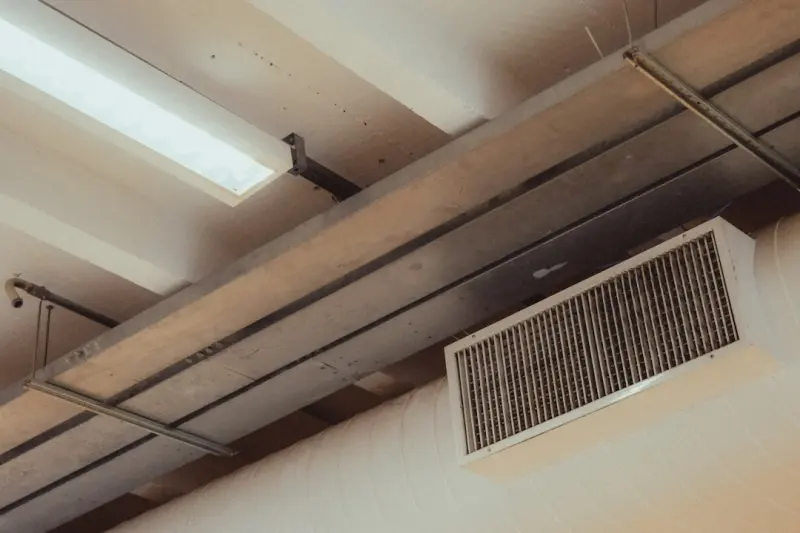
The Hidden ROI of Intelligent Duct Hygiene: Turning Airflow Into Insight
When I first stepped onto a sprawling corporate campus with a maze of exposed ducts snaking above the atrium, I felt a familiar tug: the smell of stale dust mixed with the faint hum of machinery. Most people glance at those metal arteries and think, “Just clean them once a year.” In my experience, that’s the tip of the iceberg. The real opportunity lies not just in removing grime, but in extracting data, cutting costs, and future‑proofing the building’s health.
Why Ducts Deserve a Seat at the Executive Table
Every building manager knows the headline numbers: square footage, occupancy density, and energy usage. Yet the quality of the air moving through those spaces is often a silent variable, tucked away behind insulation and fan blades. Poorly maintained ducts become reservoirs for allergens, mold spores, and even microscopic metal particles shed from aging components. The downstream effects are measurable: higher sick days, reduced employee productivity, and, surprisingly, a spike in HVAC energy consumption.
What’s more, the modern CFO is beginning to see these hidden costs as capital‑expenditure opportunities. When a building’s air delivery system operates at optimal efficiency, you’re not just breathing cleaner air—you’re shaving off kilowatt‑hours that translate directly into bottom‑line savings.
From Manual Scrubbing to Predictive Hygiene
Traditional duct cleaning is a manual, labor‑intensive process: technicians drop in, disassemble sections, and blast out debris with high‑pressure vacuums. While the results look impressive on the surface, the approach is reactive—fixing a problem after it’s already impacted indoor air quality (IAQ) and energy bills.
The next evolution is predictive hygiene, a blend of IoT sensors, AI analytics, and automated scheduling. Imagine a network of low‑profile particulate sensors embedded at key junctions of the ductwork. These devices continuously stream data on dust concentration, humidity, and temperature differentials to a cloud‑based analytics engine. When the system detects a deviation from baseline—say a 30% rise in airborne particulates over a 48‑hour window—it triggers a maintenance ticket, complete with a heat map of the most affected sections.
This shift mirrors the broader move from “fix‑it‑when‑it‑breaks” to “optimize‑continuously.” And the best part? The same data pipeline feeds into the building’s overall smart workspace strategy, informing ventilation rates, occupancy limits, and even lighting schedules.
Quantifying the Financial Upside
Let’s break down the numbers. A mid‑size office tower (approximately 250,000 sq ft) typically spends $0.10 per square foot annually on HVAC electricity. That’s $25,000 each year. Studies have shown that a 10% improvement in duct efficiency can cut that expense by roughly $2,500. Add to that the intangible savings from reduced employee sick days—conservatively $1,200 per 1% drop in airborne contaminants, according to industry health reports.
Now factor in the cost of an intelligent cleaning regimen. Sensors and software licenses might run $15,000 upfront with $5,000 per year in subscription fees. The ROI timeline? In many cases, you’ll break even within 12‑18 months, after which the financial benefits continue to compound.
Beyond pure dollars, there’s the green credential. Companies with demonstrable reductions in energy consumption can leverage those metrics for sustainability reporting, potentially unlocking tax incentives or meeting ESG (Environmental, Social, Governance) targets that investors increasingly demand.
Operational Benefits: Less Disruption, More Precision
One of the biggest complaints from facility managers about traditional duct cleaning is the operational downtime. Large crews often need to shut down sections of the HVAC system, leading to temperature swings and occupant discomfort. With predictive hygiene, cleaning crews receive detailed maps that pinpoint the exact segments requiring attention. They can often perform targeted clean‑outs while the system remains online, using portable robotic brush systems that navigate the ducts autonomously.
These robots aren’t just vacuum cleaners—they’re equipped with high‑resolution cameras and lidar scanners that feed back real‑time condition reports. The data is archived, creating a historical record of duct health that can be referenced for future renovations or audits. This archival process dovetails nicely with the concept of a digital restoration workshop, where every physical intervention is logged, analyzed, and optimized.
Integrating Duct Hygiene Into the Digital Twin
Digital twins have become the lingua franca of modern building management. By constructing a virtual replica of the HVAC network—including airflow models, pressure drops, and sensor feeds—you gain a sandbox for testing interventions before they’re executed in the real world.
When you feed duct cleanliness metrics into the twin, you can simulate how a 5% reduction in dust load influences overall system pressure. The simulation may reveal that the fan’s operating point moves into a more efficient zone, decreasing wear and extending equipment life. This insight allows you to schedule cleaning not just when it’s needed, but when it will yield the greatest operational gain.
Health Implications: Beyond the Bottom Line
While the financial case is compelling, the health narrative cannot be ignored. Indoor air quality has been thrust into the spotlight after recent global health events, and building owners are now accountable for providing environments that reduce pathogen transmission and allergen exposure.
Clean ducts reduce the recirculation of dust‑borne viruses and mold spores. For facilities housing vulnerable populations—hospitals, senior living centers, or research labs—the stakes are even higher. A proactive, data‑driven cleaning schedule can serve as a compliance layer for health codes, reducing the risk of costly violations.
Implementation Roadmap: From Concept to Execution
- Assessment Phase: Conduct a baseline audit using portable particle counters and infrared thermography to map hot spots.
- Sensor Deployment: Install IoT particulate sensors at strategic duct junctions. Choose devices with open‑API capabilities for seamless integration.
- Data Platform Setup: Connect sensors to a cloud analytics platform capable of anomaly detection. Set thresholds for alerts.
- Pilot Cleaning: Run a targeted cleaning on identified problem sections. Capture pre‑ and post‑cleaning data to calibrate the model.
- Full Rollout: Expand sensor network, refine predictive algorithms, and schedule regular cleanings based on data trends.
- Continuous Optimization: Leverage the digital twin to test “what‑if” scenarios—e.g., changing filtration levels or adjusting fan speeds—to see how duct cleanliness interacts with other building systems.
Common Misconceptions to Dispel
- “If the air feels fine, the ducts are fine.” – Perception is not a reliable metric. Sensors can detect microscopic particles invisible to the naked eye.
- “One big clean‑out a year is sufficient.” – Airflow dynamics change with occupancy, seasons, and equipment wear. A dynamic schedule outperforms static intervals.
- “All cleaning services are the same.” – Look for providers that offer sensor integration and data reporting, not just a blanket service.
Future Trends: The Convergence of Air Hygiene and AI
The next frontier is the integration of AI‑driven decision engines that not only schedule cleaning but also adjust HVAC setpoints in real time based on air quality data. Imagine a scenario where a sudden rise in particulates triggers a temporary increase in outdoor air intake, diluting indoor contaminants while the cleaning crew is en route.
Coupled with occupancy sensors, the system could prioritize cleaning in high‑traffic zones during peak usage, ensuring that the most critical spaces stay fresh. This level of granular control will redefine how we think about building health—a shift from “maintenance” to “continuous environmental stewardship.”
Conclusion: A Strategic Imperative, Not an Afterthought
Intelligent duct hygiene is more than a cleaning checklist item; it’s a strategic lever that influences energy efficiency, employee well‑being, and the overall sustainability profile of a building. By embracing sensor data, predictive analytics, and robotic cleaning, facilities managers can transform a dusty, overlooked conduit into a source of actionable insight.
In the era where every square foot of a building is measured, modeled, and monetized, neglecting the air pathways is a missed opportunity. The question isn’t “If we should adopt intelligent duct hygiene,” but “How quickly can we integrate it into our digital twin and start reaping the benefits?”

David MacKinnon is a dynamic freelance writer known for his captivating storytelling and keen insights into the world of technology. With a passion for exploring the intersection of innovation and everyday life, he crafts engaging narratives that not only inform but also inspire his readers.
Related Posts
Why Duct Cleaning Should Be a Cornerstone of Your Facility’s Maintenance Strategy
Regular duct cleaning is more than a cleaning chore—it’s a strategic maintenance move that boost... Read More

Unlocking the ROI of Proactive Duct Hygiene for Commercial Spaces
A facility leader’s guide to turning duct cleaning from a reactive expense into a data‑driven in... Read More

The Hidden Power of Clean Ducts: A Homeowner’s Guide to Health, Efficiency, and Longevity
Explore the unseen benefits of clean ductwork—from healthier breathing to lower energy bills—and... Read More
Top Posts

Turn Your Walls into Energy‑Saving Assets with Smart Paint
Learn how modern paint technology can lower heating costs, improve air quality, and transform any room’s look—plus practical tips for DIY and pro applicatio...Read More
Building with Integrity: How Traceable Materials are Shaping the Future of Home Construction
A deep dive into material traceability shows why knowing the origin, carbon impact, and end‑of‑life path of every building component is now essential for bu...Read More
Pricing Your Handyman Services: A Practical Guide to Profitability
Discover a step‑by‑step approach to pricing handyman jobs, from breaking down costs and researching local rates to crafting transparent estimates that win c...Read More

Breathing New Life into Your Outdoor Space: The Transformative Power of Awnings
Awnings can transform your outdoor space into a haven of comfort and style. Learn about the benefits, styles, and installation options of awnings....Read More
0 Comments
Post Comment
You will need to Login or Register to comment on this post!