
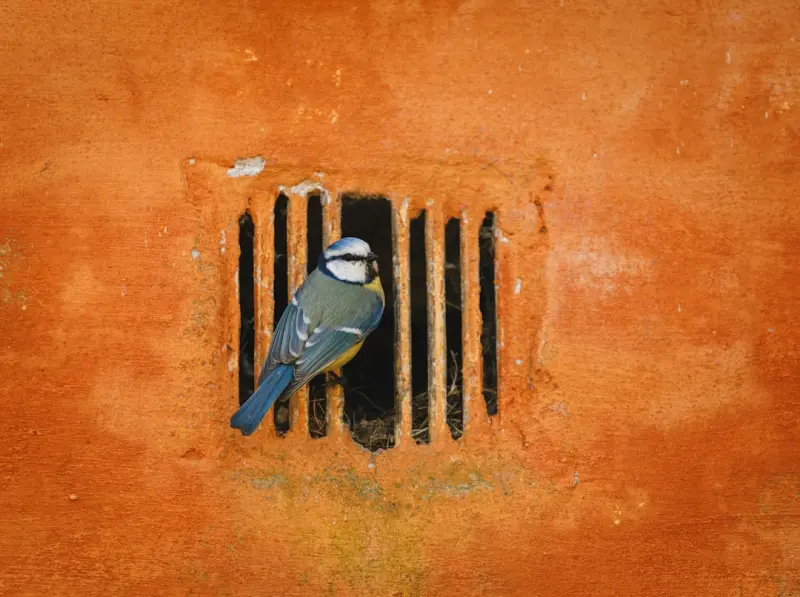
The Business Case for Proactive Duct Hygiene
When I first started managing facilities for a midsized manufacturing firm, I thought HVAC was just about keeping the temperature comfortable. It wasn’t until a costly production line shutdown—triggered by an overloaded blower— that I realized the hidden cost of neglected air pathways. Since then, I’ve made it a point to treat duct systems the way I treat any other critical asset: with a schedule, data, and a clear ROI in mind.
Why Ducts Matter More Than a Thermostat Setting
Ductwork is the circulatory system of a commercial building. It delivers conditioned air, carries contaminants, and balances pressure across zones. When it’s clean, it performs efficiently; when it’s clogged, it becomes a liability.
- Airborne contaminants—dust, spores, and fine particulates—can accumulate in the lining of ducts, traveling downstream into workspaces and affecting employee health.
- Energy drag—restricted airflow forces fans to work harder, spiking electricity consumption.
- Equipment wear—motors and heat exchangers see higher stress when airflow is compromised, accelerating the need for replacement.
The trick is not just cleaning because it looks dirty; it’s about integrating duct hygiene into a broader data-driven maintenance strategy that protects the bottom line.
From Reactive to Proactive: The Shift in Mindset
Most businesses still treat duct cleaning as a reactive afterthought—something you do when the filters are choking or an audit flags a problem. That approach is akin to changing a flat tire after the car has already broken down. Moving to a proactive stance means scheduling cleanings based on usage patterns, filter pressure differentials, and indoor air quality (IAQ) metrics.
Here’s a quick decision framework I use:
- Baseline measurement: Install a pressure differential gauge on main supply and return ducts. Record the baseline when the system is new or after a professional cleaning.
- Trend analysis: Track changes weekly. A 10% rise in differential pressure typically signals the need for an intervention.
- Trigger points: Set thresholds—e.g., 15% rise or a spike in particulate counts—that automatically generate a service ticket.
- Documentation: Log every cleaning, filter change, and IAQ reading. Over time, you’ll see a clear correlation between cleanliness and energy usage.
When you let data tell the story, the cleaning schedule becomes a business decision rather than a housekeeping chore.
Quantifying the Financial Upside
It’s tempting to view duct cleaning as an expense, but the payoff can be measured in three core categories:
Energy Savings
Studies from independent labs show that a 10% pressure drop in a forced‑air system can increase fan power consumption by roughly 5‑7%. In a 500 kW HVAC plant, that translates to an extra 25‑35 kW of demand—about $3,000‑$4,200 a year in electricity costs alone (assuming $0.12/kWh). Removing that drag through a targeted cleaning yields an immediate, measurable reduction.
Extended Equipment Life
Fans and coils are designed for a specific range of airflow. When that range is compromised, the motor operates near its overload capacity, raising temperature and increasing bearing wear. Re‑aligning the airflow can extend motor lifespan by 20‑30%, delaying costly capital replacements.
Productivity & Health Benefits
Research from occupational health experts indicates that indoor particulate matter (PM2.5) above 12 µg/m³ correlates with a 10% increase in absenteeism due to respiratory irritation. Clean ducts cut that concentration by as much as 40% in well‑sealed facilities. The productivity gain—valued at the hourly wage rate—often surpasses the cleaning invoice.
Choosing the Right Cleaning Methodology
Not all duct cleaning techniques are created equal. The market is crowded with “blow‑and‑vac” services that rely on high‑speed air streams, but the most effective solutions incorporate a multi‑stage approach:
- Mechanical agitation: Rotating brushes dislodge accumulated debris from interior walls.
- HEPA‑rated extraction: Captures particles as small as 0.3 µm, preventing re‑entrainment into the airstream.
- Surface inspection: Infrared cameras detect moisture or microbial growth that could be missed during a visual check.
When I evaluate vendors, I ask for a detailed process map and independent certification (e.g., NADCA). A reputable provider will also share a post‑cleaning report with before‑and‑after pressure readings and particulate counts.
Integrating Duct Hygiene with Existing Facility Programs
The smartest way to embed duct cleaning into your operations is to align it with the programs you already run. For example, if your organization conducts energy audit insights semi‑annually, schedule a duct cleaning a month after each audit. This timing lets you compare energy usage before and after, delivering clear performance data for senior leadership.
Similarly, if you have a routine for regular equipment health checks, add a checklist item for duct pressure differentials. The overlap reduces administrative overhead and ensures that the cleaning never falls through the cracks.
Case Study: Turning a Dirty Duct into a Revenue Generator
One of my clients—a regional data‑center operator—saw a 12% rise in cooling energy costs after expanding their server floor by 30%. The initial suspicion was that the chillers were under‑sized, but a quick pressure differential test revealed a 22% increase across the main supply trunks, indicating severe buildup.
We implemented a three‑step plan:
- Schedule a comprehensive clean with a certified contractor, using mechanical brushes and HEPA extraction.
- Install permanent pressure transducers and a cloud‑based dashboard that alerts the facilities team when pressure climbs 10% above baseline.
- Tie the alert to the existing Computerized Maintenance Management System (CMMS) to auto‑generate a work order.
Result? Within two months, the cooling load dropped by 8%, saving approximately $45,000 in electricity costs annually. Moreover, the predictive alert prevented a potential overheating event that could have forced an emergency shutdown, which would have cost upwards of $250,000 in lost uptime.
Future‑Proofing Duct Hygiene with IoT
Technology is finally catching up with the age‑old problem of dirty ducts. Modern IoT sensors can measure humidity, temperature, and even microbial activity in real time. Pair those data streams with machine‑learning models, and you have a system that predicts when a cleaning is needed—not based on a calendar, but on the actual condition of the airflow path.
The rollout doesn’t have to be building‑wide. Start with high‑risk zones—like labs or food‑processing areas—where contamination stakes are highest. As you collect data, expand the network and refine the predictive algorithms. Over time, you’ll see a shift from “clean when we remember” to “clean when the data tells us.”
Key Takeaways for Facility Leaders
- Measure before you clean: Baseline pressure and IAQ metrics are your reference points.
- Set data‑driven trigger points: Define clear thresholds that generate maintenance tickets automatically.
- Choose verified vendors: Demand a process map, certifications, and post‑service documentation.
- Integrate with existing programs: Align cleaning schedules with energy audits and equipment checks for maximum efficiency.
- Leverage technology: Deploy sensors and analytics to move toward predictive duct hygiene.
If you treat duct cleaning as a strategic, data‑informed initiative, the benefits cascade across energy, equipment lifespan, employee health, and ultimately, the bottom line. The next time you’re budgeting for facility improvements, ask yourself: are we paying for a cleaning, or are we buying a measurable return on investment?

David MacKinnon is a dynamic freelance writer known for his captivating storytelling and keen insights into the world of technology. With a passion for exploring the intersection of innovation and everyday life, he crafts engaging narratives that not only inform but also inspire his readers.
Related Posts
Predictive Duct Maintenance: Turning Hidden Airways Into Strategic Assets
Predictive duct maintenance leverages IoT sensors and analytics to anticipate cleaning needs, reduce... Read More
The Hidden Benefits of Duct Cleaning: How a Cleaner HVAC System Can Improve Your Home's Sustainability
Learn how duct cleaning can improve your home's sustainability, indoor air quality, and energy effic... Read More
The Sustainable Contractor’s Guide to Duct Cleaning: Why It Matters and How to Do It Right
A seasoned contractor shares sustainable duct cleaning strategies, debunking myths, linking to relat... Read More
Top Posts
The Eco-Friendly Garage Door: A Surprisingly Simple Way to Green Your Home
Find out how an eco-friendly garage door can make a significant impact on your home's energy efficiency and overall sustainability. Learn about sustainable mate...Read More
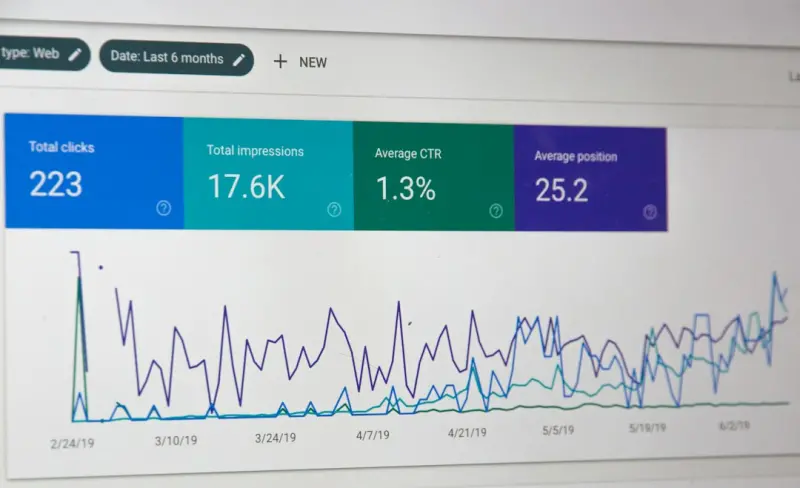
Real‑Time Supply‑Chain Dashboards: The Missing Link for General Contractors
General contractors can transform project uncertainty into confidence by adopting a real‑time supply‑chain dashboard that offers instant visibility, predict...Read More

Patch Perfect: A DIY Guide to Flawless Drywall Repair
A comprehensive, step‑by‑step guide to repairing all types of drywall damage—from tiny cracks to large holes—packed with tool recommendations, textureâ€...Read More

Awning Mastery: Turning Shade into Sustainable Comfort
Explore the transformative power of awnings—from energy savings and smart automation to eco‑friendly materials and design harmony—turning any patio into a...Read More
0 Comments
Post Comment
You will need to Login or Register to comment on this post!