
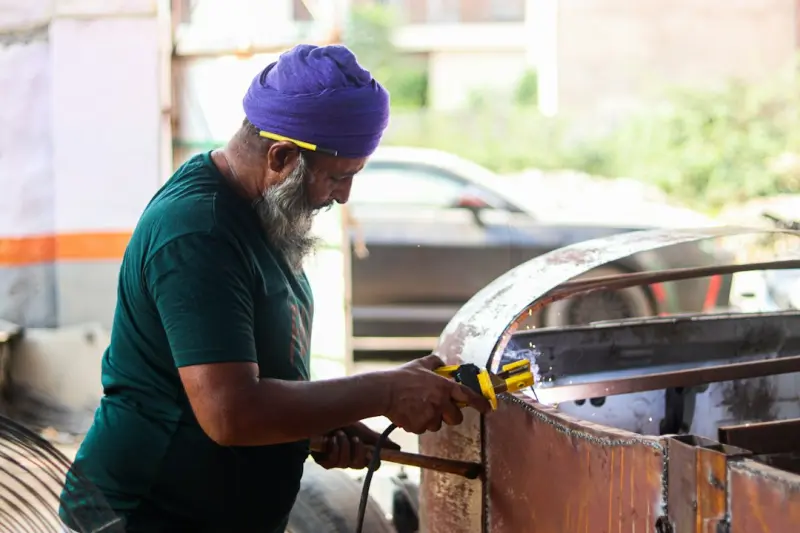
Why a Data‑Driven Workshop Is the Next Frontier for Furniture Restoration
When I first picked up a hand plane in my grandfather’s attic, the only numbers I cared about were the grain direction and the angle of the bevel. Fast forward a few decades, and the same workshop now hums with Wi‑Fi‑enabled dust extractors, Bluetooth‑linked humidity sensors, and a tablet that tells me the exact moisture content of a walnut veneer to the nearest tenth of a percent. This isn’t a gimmick; it’s a paradigm shift that’s turning the art of furniture restoration into a precision discipline.
The Old Guard Meets the New Guard
Traditional restoration has always been a tactile conversation between the craftsman and the wood. You feel the give of a dovetail joint, you listen for the subtle pop of a cracked finish, and you trust your eye to judge color match. Those instincts are priceless, but they’re also subjective. Two seasoned restorers can look at the same piece and come away with different conclusions about the best repair technique.
Enter data.
- Environmental telemetry: Small, calibrated sensors placed around the workbench record temperature, relative humidity, and even airborne particulates. This data feeds a simple dashboard that alerts you when conditions drift outside the optimal range for wood stabilization (typically 45‑55% RH for most hardwoods).
- Material analytics: Portable spectrometers, once the domain of industrial labs, now cost less than a premium hand saw. A quick scan of a faded finish reveals its original pigment composition, allowing you to mix a restoration lacquer that matches the original hue within a 2% tolerance.
- Process logging: Every sanding pass, glue application, and clamp pressure is logged on a tablet. Over time, this builds a knowledge base that can predict the drying time for a specific joint configuration or recommend the optimal sandpaper grit progression for a given grain pattern.
The result? A workshop that can reproduce the same high‑quality finish on a Victorian sideboard today and on a mid‑century modern credenza tomorrow—without relying solely on memory.
Building the Smart Restoration Toolkit
Here’s a rundown of the essential gadgets that have become as indispensable as my trusty chisels:
- Bluetooth hygrometer/thermometer cluster: Place three units—one on the floor, one on the bench, and one inside the storage cabinet. The app aggregates data and sends push notifications when humidity spikes, preventing wood from absorbing excess moisture and warping.
- Handheld NIR (near‑infrared) spectrometer: A quick sweep of an aged lacquer tells you whether the original finish was oil‑based, shellac, or a modern polyurethane. Coupled with a cloud‑based pigment database, you can recreate the exact shade in minutes.
- Digital torque wrench: When re‑installing hardware, especially antique brass pulls, consistency matters. The wrench logs torque values, ensuring that each pull is tightened to the original specification—no more over‑tightening that cracks the surrounding wood.
- Smart dust extraction system: Sensors detect particle concentration and automatically adjust fan speed. This not only keeps the air clean but also protects delicate finishes from airborne abrasives.
- Augmented‑reality (AR) overlay glasses: Point the glasses at a damaged area and see a ghosted image of the original design overlaid on the piece, guiding you in delicate in‑fill work without the need for a physical template.
Investing in these tools may feel like a departure from the “hands‑only” ethos, but each piece is a multiplier for craftsmanship. They free up mental bandwidth, allowing you to focus on the nuances that truly define a restoration—like the subtle curve of a carved leaf or the whisper of a hidden dovetail.
Data‑Backed Decision Making: A Case Study
Last month I tackled a late‑18th‑century mahogany writing desk that had survived three relocations, two floods, and a bout of DIY over‑painting. The original finish was a deep, warm satin that had been replaced with a glossy acrylic that was now peeling.
Using the spectrometer, I identified the original finish as a traditional oil‑based varnish with a hint of amber pigment. The humidity sensors showed the workshop had been sitting at 62% RH for the past 48 hours—far above the safe threshold. I paused the project, activated the dehumidifier, and logged the change. Within eight hours the environment stabilized at 48% RH, an ideal range for applying the new varnish.
Next, I logged the wood’s moisture content with a moisture meter that interfaced directly with my tablet. The reading was 8.2%—slightly low for mahogany, which could cause cracking if varnish was applied immediately. The app suggested a gentle re‑humidification cycle, which I executed with a portable humidifier set to 55% RH for six hours.
The result? After the varnish cured, the desk’s finish matched the original gloss and depth within a visual tolerance that even the most seasoned conservators praised. The entire process—from diagnostics to final polish—was documented in a single project file, which I can now reference for any future mahogany restorations.
Bridging Sustainability and Restoration
Data isn’t just about precision; it’s also a catalyst for greener practices. By monitoring humidity and temperature, you reduce the need for wasteful re‑work. The spectrometer helps you avoid over‑mixing pigments, minimizing chemical runoff. And the smart dust extraction system captures particles that would otherwise pollute the workshop air and the surrounding environment.
For those interested in broader sustainability, consider how furniture restoration dovetails with the concepts explored in Integrating Green Surfaces for Healthier Indoor Spaces. Just as green flooring can improve indoor air quality, a data‑driven restoration workflow can lower the carbon footprint of each project by reducing material waste and energy consumption.
Integrating Restoration into Adaptive Reuse Strategies
The rise of adaptive reuse—repurposing old structures for new functions—creates fresh demand for high‑quality, historically accurate furniture. Restored pieces become focal points in converted warehouses, lofts, and boutique hotels. The principles outlined in Breathing New Life into Old Structures echo the same ethos: honor the past while meeting contemporary needs.
When a historic building is transformed, its interior elements often need to harmonize with modern amenities. A data‑driven restoration approach ensures that the furniture you revitalize can stand shoulder‑to‑shoulder with cutting‑edge lighting, HVAC, and smart building systems without losing its heritage character.
Skill Development in the Age of Sensors
Some purists argue that technology dilutes the soul of restoration. I’d counter that the soul resides in the decisions you make, not the tools you use. The new skill set includes:
- Interpreting sensor data: Understanding how fluctuations in RH affect different wood species.
- Digital color matching: Using spectrometer readouts to formulate pigments that blend seamlessly with aged finishes.
- Data hygiene: Maintaining accurate logs, backing up files, and ensuring that the digital record reflects the physical work.
- Hybrid collaboration: Communicating findings with architects, interior designers, and conservation scientists via shared dashboards.
Workshops can incorporate these competencies into apprenticeship programs, ensuring the next generation of restorers is as comfortable with a tablet as they are with a gouge.
Challenges and Mitigation Strategies
Adopting a smart workflow isn’t without hurdles:
- Initial investment: High‑quality sensors and spectrometers can be costly. Mitigate by starting with a single multi‑function device and expanding as ROI becomes evident.
- Data overload: Too many alerts can lead to “alert fatigue.” Prioritize critical thresholds—such as humidity extremes—and set non‑essential data to a lower notification tier.
- Learning curve: Older craftsmen may be hesitant. Pair tech‑savvy staff with seasoned artisans for mentorship that blends tradition with analytics.
By addressing these challenges head‑on, the workshop evolves into a resilient ecosystem—one that can adapt to changing climate patterns, material availability, and client expectations.
Future Glimpses: AI‑Assisted Restoration
Looking ahead, artificial intelligence promises to further elevate restoration. Imagine an AI model trained on thousands of before‑and‑after restoration images, capable of suggesting optimal sanding sequences, predicting finish wear rates, or even generating a 3D reconstruction of a missing component based on stylistic cues.
While fully autonomous restoration is still a distant prospect, early prototypes—like AI‑driven color matching engines—are already being integrated into commercial spectrometer software. The key is to view AI as an assistant, not a replacement, preserving the human touch that defines craftsmanship.
Conclusion: The Craft of Tomorrow Starts Today
Furniture restoration has always been a dialogue between past and present. By inviting data into that conversation, we gain a clearer voice, a more reliable interpreter, and a toolbox that respects both tradition and innovation. The smart restoration workshop doesn’t discard the hand‑plane; it simply adds a compass, a map, and a logbook to the journey.
So the next time you stand before a weathered mahogany armoire, consider not just the grain, but the numbers that will guide you to a finish that honors its story—while writing a new chapter in precision, sustainability, and timeless beauty.

Paul Gray is a dynamic blogger based in Brampton, where he shares his life with his amazing wife, Sarah. Known for his engaging writing style and relatable insights, Paul has carved out a niche in the blogging world that resonates with readers from all walks of life. When he's not crafting captivating posts, you can find him savoring a cold beer or indulging in the latest blockbuster movie. With a friendly demeanor and a passion for storytelling, Paul brings a unique perspective to his work, making him not just a blogger, but a voice for those who appreciate the simple joys of life.
Related Posts
The Art of Furniture Restoration: A Sustainable Approach to Revitalizing Your Home
Furniture restoration is a sustainable way to reduce waste, conserve resources, and create one-of-a-... Read More
From Dust to Drama: Mastering Sustainable Furniture Restoration
Explore a fresh, sustainable approach to furniture restoration that blends timeless craftsmanship wi... Read More
Restoring Office Furniture: A Strategic Path to Sustainable Growth
Restoring office furniture isn’t just a DIY trend—it’s a strategic lever that reduces expenses... Read More
Top Posts
Elevate Your Backyard with a Sustainable, Tech‑Ready Deck
A hands‑on guide to crafting a sustainable, technology‑infused deck that balances style, comfort, and budget—turning your backyard into a versatile outdoo...Read More
Revitalizing Outdoor Living: The Smart, Sustainable Deck Transformation
Discover the secrets to creating a smart, sustainable deck that acts as an outdoor living room—featuring eco‑friendly materials, integrated tech, and future...Read More

The Evolution of General Contracting: How Sustainable Solutions Are Revolutionizing the Industry
The general contracting industry is undergoing a significant transformation, driven by growing concerns about the environment and the need for sustainable solut...Read More

Renovation Readiness: A Proven Checklist for Stress‑Free Overhauls
A step‑by‑step renovation checklist that covers everything from goal setting and permits to trade coordination, quality inspections, and post‑occupancy ha...Read More
0 Comments
Post Comment
You will need to Login or Register to comment on this post!