
The Importance of Home Inspections in Sustainable Home Restoration
As a homeowner, investing in sustainable home restoration can be a great way to reduce your environmental footprint and increase the value of your property. However, before embarking on any renovation project, it's essential to conduct a thorough home inspection to identify potential issues that could impact the sustainability of your home. A comprehensive home inspection can help you prioritize repairs, avoid costly surprises, and ensure that your renovation project is done right. In this article, we'll explore the importance of home inspections in sustainable home restoration and provide guidance on what to look for during the inspection process.
The Benefits of Home Inspections
A home inspection is a critical step in the sustainable home restoration process. By identifying potential issues early on, you can avoid costly repairs down the line and ensure that your renovation project is done sustainably. Some of the benefits of home inspections include:
- Identifying potential safety hazards, such as electrical or plumbing issues
- Detecting environmental hazards, such as mold or asbestos
- Assessing the condition of major systems, such as HVAC and plumbing
- Identifying areas of energy inefficiency and recommending improvements
- Providing a comprehensive report of the home's condition, including recommendations for repairs and upgrades
The Role of Energy Inspections in Sustainable Home Restoration
Energy inspections are a critical component of sustainable home restoration. By assessing the energy efficiency of your home, you can identify areas where energy is being wasted and make targeted improvements to reduce your energy consumption. Energy inspections can help you identify opportunities to upgrade to energy-efficient systems, such as solar panels or energy-efficient windows.
The Importance of Roofing in Sustainable Home Restoration
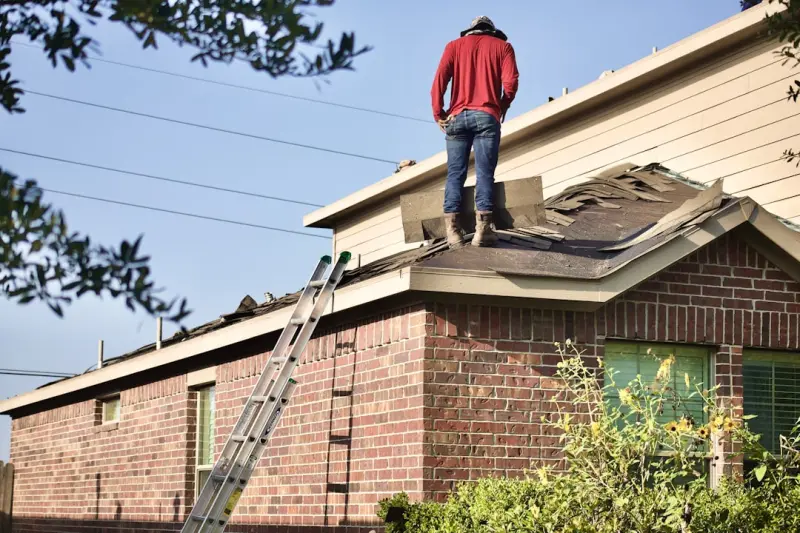
Roofing is a critical component of sustainable home restoration. A well-maintained roof can help reduce energy consumption, prevent water damage, and ensure the overall integrity of your home. When it comes to roofing, there are several factors to consider, including the type of roofing material, the condition of the roof, and the potential for energy-efficient upgrades. Roofing plays a critical role in sustainable home restoration, and a comprehensive home inspection should include an assessment of the roof's condition and recommendations for repairs or upgrades.
The Intersection of Plumbing and Sustainable Home Restoration
Plumbing is another critical component of sustainable home restoration. Leaky faucets, toilets, and pipes can waste significant amounts of water and energy, increasing your utility bills and environmental footprint. A comprehensive home inspection should include an assessment of the plumbing system, including the condition of pipes, fixtures, and appliances. By identifying areas of inefficiency and recommending upgrades, you can reduce your water consumption and energy usage. Plumbing is an essential aspect of sustainable home restoration, and a thorough inspection can help you prioritize repairs and upgrades.
The Benefits of Sustainable Landscaping
Sustainable landscaping is an often-overlooked aspect of sustainable home restoration. However, by incorporating native plants, reducing water consumption, and using eco-friendly materials, you can create a beautiful and sustainable outdoor space that complements your home. Some of the benefits of sustainable landscaping include:
- Reducing water consumption and energy usage
- Creating a beautiful and functional outdoor space
- Increasing property value and curb appeal
- Supporting local ecosystems and biodiversity
The Evolution of Sustainable Materials
The evolution of sustainable materials has transformed the construction industry. From sustainable wood products to eco-friendly insulation, there are numerous options available for homeowners looking to reduce their environmental footprint. Some of the most promising sustainable materials include:
- Reclaimed wood and sustainable wood products
- Eco-friendly insulation, such as recycled denim or fiberglass
- Sustainable roofing materials, such as solar panels or green roofs
- Low-VOC paints and finishes
The Future of Sustainable Home Restoration
The future of sustainable home restoration is bright. As technology continues to evolve and sustainable materials become more widely available, homeowners have more options than ever for reducing their environmental footprint. Some of the most promising trends in sustainable home restoration include:
- Increased use of renewable energy sources, such as solar panels or wind turbines
- Greater emphasis on energy efficiency and energy-saving technologies
- More widespread adoption of sustainable materials and practices
- Increased focus on indoor air quality and occupant health
Conclusion
In conclusion, home inspections are a critical component of sustainable home restoration. By identifying potential issues early on, you can avoid costly repairs, ensure that your renovation project is done sustainably, and reduce your environmental footprint. Whether you're looking to upgrade your energy efficiency, improve your plumbing, or create a sustainable outdoor space, a comprehensive home inspection is the first step towards achieving your goals.
Final Tips and Recommendations
Finally, here are a few tips and recommendations for homeowners looking to embark on a sustainable home restoration project:
- Hire a qualified and experienced home inspector to conduct a comprehensive assessment of your home's condition
- Prioritize repairs and upgrades based on the inspection report and your sustainability goals
- Consider incorporating sustainable materials and practices into your renovation project
- Don't forget to assess the condition of your roof, plumbing, and HVAC systems

Lifan Chen is a freelancer based in Toronto specializing in marketing. With expertise in crafting effective marketing strategies and campaigns, Lifan helps businesses grow their brand presence and reach target audiences. As a Toronto-based freelancer, Lifan combines local market insights with creative marketing skills to deliver tailored solutions for clients.
Related Posts

Beyond the Checklist: Advanced Techniques Every Homebuyer Should Demand
Learn why modern home inspections require thermal imaging, moisture sensors, and advanced electrical... Read More

The Home Inspector’s Playbook: Turning Data, Ethics, and Communication into Real‑Estate Wins
A fresh take on home inspections: leveraging data, drones, and ethical practices to empower buyers, ... Read More
Beyond the Checklist: A Human‑Focused Home Inspection Strategy for Resilient Living
A human‑centric home inspection goes beyond ticking boxes, uncovering hidden health risks, climate... Read More
Top Posts
Why Carpet Care is the Backbone of Healthy, Efficient Buildings
A deep dive into the hidden benefits of carpet cleaning, revealing its role in enhancing indoor air quality, cutting energy costs, and promoting sustainable bui...Read More
Designing for Change: How Adaptive Architecture Marries Heritage and Flexibility
Adaptive architecture merges historic character with modular interiors and AI‑driven façades, creating buildings that evolve with occupants and climate deman...Read More

Predictive Maintenance: Turning Data Into Property Longevity
A deep dive into how property managers can shift from reactive repairs to a predictive maintenance strategy, leveraging sensors, AI analytics, and integrated wo...Read More
Rethinking Plaster: Sustainable, Acoustic, and Smart Solutions for Modern Interiors
This article uncovers the hidden power of contemporary plaster, revealing its acoustic benefits, breathable chemistry, and circular sourcing options that can tr...Read More
0 Comments
Post Comment
You will need to Login or Register to comment on this post!