

Rethinking Plaster: The Unsung Hero of Sustainable Interior Environments
When you walk into a modern office or a boutique retail space, the first things you notice are usually the lighting, the furniture, or the digital displays. The wall finish, however, often slips under the radar—even though it can be the most powerful lever for comfort, health, and sustainability. I’ve spent the last decade working hands‑on with plaster, watching it evolve from a simple coating to a multifaceted system that can regulate acoustics, improve indoor air quality, and even reduce a building’s carbon footprint.
In this deep dive, I’ll unpack three emerging dimensions of plaster that most design‑focused conversations overlook: acoustic performance, breathable chemistry, and circular sourcing. By the end, you’ll see why plaster should be front‑and‑center in any forward‑thinking renovation or new‑build strategy.
1. Acoustic Calm: How Plaster Can Quiet the Hustle
Open‑plan offices have become the norm, but they bring a side effect that’s hard to ignore—noise. The constant buzz of conversations, phone calls, and HVAC systems can drain productivity. Traditional acoustic panels are often bulky, visually intrusive, and made from synthetic fibers that off‑gas over time.
Enter modern plaster formulations enriched with micro‑fibers, recycled glass beads, or even natural hemp. These additives create a porous matrix that absorbs mid‑frequency sound waves while still providing a sleek, seamless finish. When applied in a three‑coat system, the first skim coat acts as a substrate, the second incorporates the acoustic additives, and the final skim delivers the aesthetic polish.
Case studies from coworking spaces in Europe show a 30‑40% reduction in ambient decibel levels after swapping standard drywall for high‑density plaster with acoustic fillers. The result? Employees report fewer distractions, lower stress, and an overall boost in focus. If you’re looking for a quiet‑room solution without sacrificing design integrity, plaster is the quiet champion you’ve been missing.
2. Breathable Chemistry: Plaster as a Living Wall
Indoor air quality (IAQ) has leapt from a niche concern to a core business metric. While HVAC filtration is essential, the wall itself can play a proactive role. Traditional gypsum plaster is inherently breathable—it allows moisture to pass through without trapping it, preventing mold growth and condensation.
Advances in lime‑based plaster have taken this a step further. Lime reacts with carbon dioxide in the air, a process called carbonation, which not only hardens the surface but also sequesters CO₂. Moreover, lime’s high pH creates an inhospitable environment for common indoor pathogens, acting as a passive antimicrobial layer.
For spaces where health is paramount—think medical offices, wellness centers, or high‑traffic retail—choosing a lime or calcium‑based plaster can reduce reliance on chemical cleaners and air purifiers. Over a year, these environments can see a measurable dip in volatile organic compounds (VOCs) and a more stable humidity profile, translating to healthier occupants and lower maintenance costs.
3. Circular Sourcing: Turning Waste Into Wall Material
The construction industry is under pressure to shrink its embodied carbon. One of the most compelling ways plaster contributes is through its raw material flexibility. Recycled demolition gypsum, fly ash, and even reclaimed marble dust can be blended into new plaster mixes without compromising performance.
When you source recycled gypsum, you cut the energy‑intensive calcination step—where raw limestone is heated to create new gypsum—by up to 70%. This translates directly into lower CO₂ emissions per square meter of wall finish. Additionally, using industrial by‑products like fly ash reduces the amount of waste sent to landfill and provides a pozzolanic reaction that enhances plaster durability.
Several forward‑looking developers have documented a 15% reduction in overall project carbon footprints simply by specifying recycled‑content plaster. It’s a win‑win: the material is cheaper, the environmental impact drops, and the finished surface retains the smooth, high‑quality look that clients demand.
4. Integrating Plaster with Smart Building Systems
While plaster is a physical material, it can be part of a digital ecosystem. Sensors that monitor wall temperature, humidity, and even acoustic reverberation can be embedded behind a thin plaster layer without affecting the finish. This data feeds building management software, enabling real‑time adjustments to HVAC, lighting, and occupancy patterns.
Imagine a conference room where a sensor detects a spike in reverberation due to a sudden increase in occupants. The system automatically adjusts the HVAC flow to lower humidity, which in turn fine‑tunes the plaster’s acoustic absorption capacity. The room stays comfortable, quiet, and energy‑efficient without a single manual intervention.
These integrations are still early‑stage, but they illustrate how plaster can be a silent partner in the Internet of Things (IoT) landscape—providing both a physical buffer and a data conduit.
5. Practical Tips for Implementing Next‑Gen Plaster
- Assess the acoustic needs. Use a simple sound level meter to map noise hotspots. If you see consistent mid‑frequency disturbances, opt for a plaster mix with acoustic fibers.
- Choose the right binder. For health‑focused projects, lime or calcium‑based binders outperform standard gypsum in antimicrobial performance.
- Specify recycled content. Request a minimum of 30% recycled gypsum or fly ash in the product data sheet. This is often an easy specification tweak that yields big sustainability gains.
- Plan for sensor integration. Coordinate with your MEP team early to embed thin‑film sensors behind the final skim coat.
- Partner with skilled applicators. Modern plaster systems demand precise mixing ratios and multi‑coat techniques. A seasoned crew ensures the performance characteristics are fully realized.
6. Looking Ahead: Plaster as a Strategic Differentiator
In a market where every square foot is scrutinized for ROI, plaster offers hidden value that goes beyond aesthetics. Its acoustic dampening can improve employee productivity, its breathable chemistry can slash IAQ‑related costs, and its circular sourcing can boost ESG credentials. When you stack these benefits, plaster becomes a strategic differentiator—a subtle but powerful way to elevate a property’s overall performance.
For those ready to explore this next wave of interior engineering, I recommend diving deeper into the synergy between plaster and other building assets. A recent exploration of how concrete can serve as a brand‑defining element offers useful parallels for plaster’s potential. Check out Concrete as a Brand‑Defining Asset: From Color to Data for inspiration on leveraging materiality for brand storytelling.
And if you’re curious about how plaster has already begun to shift from a simple wall covering to a revenue‑enhancing feature, the piece Plaster Power provides a solid foundation. Building on those ideas, this article pushes the conversation toward sustainability, health, and technology.
When you treat plaster not just as a finish but as an active system, you unlock a suite of benefits that can future‑proof your spaces. It’s time to give this humble material the spotlight it deserves.

Tom Ferguson is a Canadian freelance writer with a passion for storytelling, current events, and thoughtful commentary. Drawing on years of writing experience, he shares engaging insights on a wide range of topics, bringing a uniquely Canadian perspective to his work.
Related Posts

Eco‑Focused Plastering: Green Materials & Future Techniques
A deep dive into modern plastering reveals eco‑friendly mixes, breathable walls for better indoor ... Read More
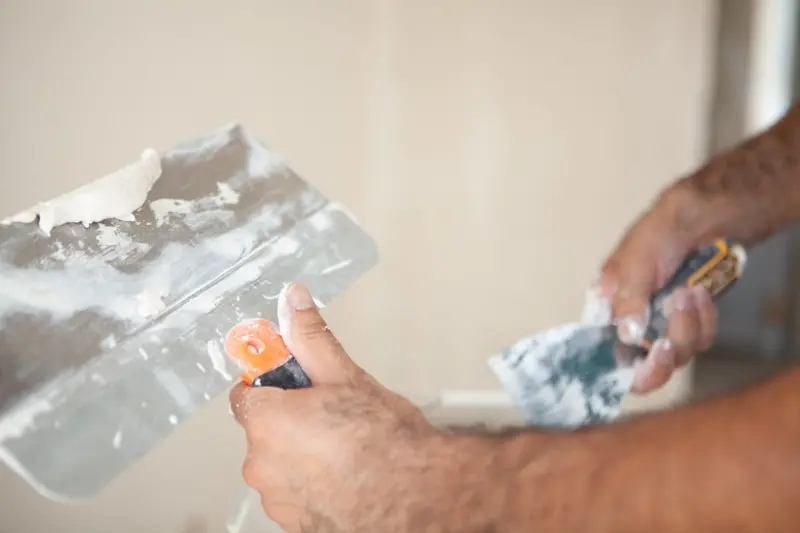
Why Modern Plastering Is the Unsung Hero of Sustainable Building
A deep dive into how eco‑friendly binders, health‑focused finishes, and digital tools are transf... Read More

The Plasterer's Playbook: Mastering Texture, Efficiency, and Eco‑Smart Techniques
Explore how modern plastering blends texture, eco‑smart mixes, and smart tools to transform walls ... Read More
Top Posts

Data‑Driven Wallpaper: Turning Walls into Insight Engines
Wallpaper is evolving from decorative finish to a data‑rich platform that supports brand analytics, occupancy insights, and indoor air quality monitoring, off...Read More

Lighting as Narrative: Crafting Mood with Layered Light
Explore the power of layered lighting—ambient, task, and accent—to create mood, support function, and add sustainable elegance to any interior space....Read More

The Ultimate Renovation Checklist: From Vision to Victory
A comprehensive, printable renovation checklist guides homeowners from setting clear goals and budgeting to securing permits, hiring the right pros, integrating...Read More
Rethinking Home Alarms: From Alerts to Proactive Guardians
Traditional alarms are evolving into AI‑driven, privacy‑first sentinels that predict threats, support health monitoring, and integrate seamlessly with smart...Read More
0 Comments
Post Comment
You will need to Login or Register to comment on this post!