
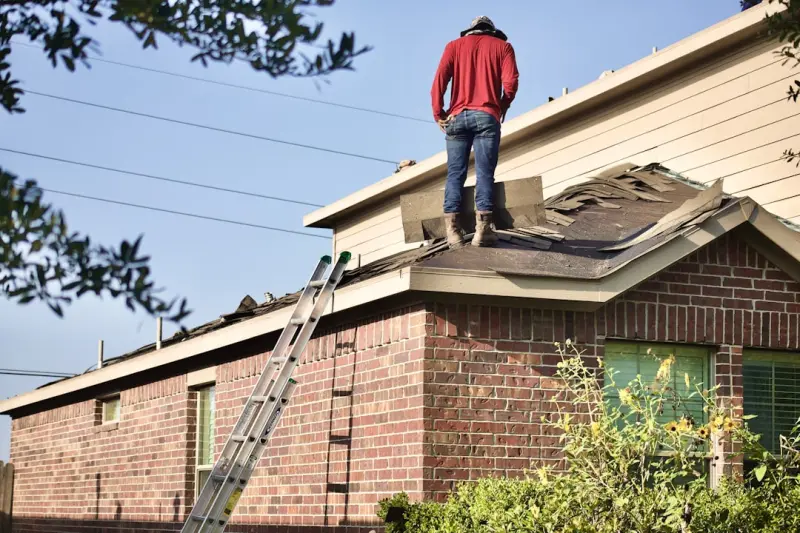
When most people think about a home inspection, they picture a clipboard, a flashlight, and a list of structural items to tick off. That mental image, while useful, barely scratches the surface of what a truly holistic inspection can achieve. As a lifelong homeowner‑enthusiast and a self‑confessed “inspection geek,” I’ve learned that the real power of a home inspection lies not in the boxes we check, but in the conversations we spark, the health signals we uncover, and the future‑proofing we enable.
Shifting the Lens: From Boxes to Stories
Traditional inspections are often transactional: “Here’s a crack in the foundation, fix it, and you’re good.” But every home tells a story—about the people who live there, the climate it endures, and the evolving technologies that can protect it. A human‑focused inspection asks, “What does this house need to keep its occupants safe, healthy, and comfortable for years to come?” This question reframes the inspection from a reactive checklist to a proactive partnership.
The Hidden Health Signals Behind the Walls
Most homeowners are surprised to learn that the walls, ceilings, and even the subfloor can act as silent health monitors. Here are three often‑overlooked signals that can turn a standard inspection into a wellness audit:
- Moisture‑Driven Mold Risk: Even a subtle rise in humidity can fuel mold colonies that release spores into the indoor air, aggravating allergies and respiratory issues. A quick moisture meter reading in hidden crawl spaces can reveal trouble before it becomes visible.
- Off‑Gassing From Materials: Newer building materials—especially low‑cost laminates and certain adhesives—can emit volatile organic compounds (VOCs). While the intelligent paint trend focuses on low‑emission finishes, many existing homes still carry hidden sources of indoor pollution.
- Airflow Inefficiencies: Poorly sealed attic hatches or outdated HVAC ductwork can cause uneven temperature distribution, forcing occupants to over‑heat or over‑cool specific rooms, which in turn impacts indoor air quality and energy consumption.
Climate Resilience: The Inspection’s New Frontier
Extreme weather events—heatwaves, flooding, and high‑velocity winds—are no longer outliers. A forward‑thinking home inspection integrates climate resilience into its core:
- Flood‑Proofing Basics: Beyond checking for obvious water damage, inspectors should evaluate grading, drainage swales, and the presence of sensor‑enabled waterproofing solutions that can alert owners to rising water levels before damage occurs.
- Wind‑Load Assessment: Roof anchoring systems, window glazing, and exterior cladding all play roles in how a home handles high winds. Simple visual checks paired with a wind‑load calculator can pinpoint vulnerable zones.
- Heat‑Island Mitigation: Assessing shade trees, reflective roofing, and ventilation pathways helps homeowners reduce cooling loads and improve indoor comfort during scorching summers.
DIY Inspection Toolkit: Empowering the Smart Homeowner
While professional insight is irreplaceable, many homeowners appreciate a baseline toolkit to catch early warnings. Here’s a concise, budget‑friendly kit you can assemble today:
- Digital Moisture Meter: Detect hidden moisture in walls, floors, and ceilings. Look for readings above 15% in wood framing as a red flag.
- Thermal Imaging Camera (or Smartphone Attachment): Spot insulation gaps, water intrusion, and electrical hotspots without tearing down drywall.
- VOCs Test Kit: Simple color‑change strips can give you an initial sense of indoor air pollutants.
- Smart Smoke/CO Detector with Wi‑Fi: Modern detectors not only alert you to danger but also log events for later analysis.
- Portable Air Quality Monitor: Track particulate matter (PM2.5) and carbon dioxide levels to gauge ventilation effectiveness.
Armed with these tools, you can perform a quick “pre‑inspection” before calling in the pros, ensuring that you’re speaking the same language and focusing on the most critical issues.
Leveraging Smart Sensors for Continuous Insight
Home inspection is evolving from a point‑in‑time event to an ongoing conversation between the house and its inhabitants. Smart sensor ecosystems—temperature, humidity, pressure, and even structural strain sensors—feed real‑time data into a cloud dashboard. This continuous flow transforms a once‑yearly event into a living, breathing health report.
Think of it like a personal trainer for your home: the sensors spot the early signs of fatigue (e.g., a gradual shift in foundation levels) and prompt you to take corrective action before a full‑blown failure. Integrating this data with an energy inspection platform can also reveal inefficiencies that, while not immediately dangerous, erode comfort and budgets over time.
The Human Element: Communication is Key
Even the most sophisticated data is useless if it isn’t communicated effectively. A successful inspection report should read like a storybook, not a technical manual. Here’s how I structure the narrative for maximum impact:
- Contextual Overview: Begin with a brief description of the home’s age, construction style, and any recent upgrades.
- Health & Safety Highlights: Flag any immediate risks—mold, structural cracks, carbon monoxide—and provide clear, actionable steps.
- Performance & Efficiency Insights: Translate energy data into dollar savings, showing homeowners the financial upside of fixing insulation gaps or upgrading to high‑efficiency windows.
- Future‑Proof Recommendations: Offer phased upgrade paths, prioritizing items that boost climate resilience, health, and resale value.
- Visual Aids: Include annotated photos, thermal images, and simple charts that illustrate findings at a glance.
Partnering with Professionals: When to Call In the Experts
While a DIY toolkit and smart sensors provide valuable early warnings, certain issues demand specialist expertise:
- Structural Concerns: Foundation movement, significant load‑bearing wall cracks, or roof deck delamination require a licensed structural engineer.
- Electrical Safety: Outdated panels, improper grounding, or signs of arcing call for a certified electrician.
- HVAC Performance: Complex duct leakage or refrigerant issues are best handled by an HVAC technician with proper certifications.
- Specialty Waterproofing: Implementing advanced sensor‑enabled waterproofing systems benefits from contractors experienced in both the hardware and data integration.
By establishing a collaborative relationship with these professionals, homeowners can ensure that the inspection’s recommendations are not only accurate but also feasible within their budget and timeline.
Closing the Loop: Turning Insight into Action
The ultimate goal of any home inspection is to empower owners to make informed decisions that enhance safety, health, and longevity. To turn insight into action, consider the following three‑step framework:
- Prioritize: Rank findings by urgency (immediate safety), impact (health & comfort), and value (energy savings).
- Plan: Develop a phased roadmap that aligns with financial capacity—start with safety fixes, then move to efficiency upgrades, and finally address long‑term resilience projects.
- Monitor: Use smart sensors and periodic re‑inspections to verify that corrective actions are performing as expected, adjusting the plan as needed.
When you treat a home inspection as the start of an ongoing dialogue rather than a final verdict, you create a virtuous cycle of improvement that protects your investment and the well‑being of everyone under the roof.

Paul Gray is a dynamic blogger based in Brampton, where he shares his life with his amazing wife, Sarah. Known for his engaging writing style and relatable insights, Paul has carved out a niche in the blogging world that resonates with readers from all walks of life. When he's not crafting captivating posts, you can find him savoring a cold beer or indulging in the latest blockbuster movie. With a friendly demeanor and a passion for storytelling, Paul brings a unique perspective to his work, making him not just a blogger, but a voice for those who appreciate the simple joys of life.
Related Posts
Smart Sensors Are Changing the Way We Inspect Homes
Explore the rise of smart sensors in home inspections, from humidity monitors to drone thermal imagi... Read More

The Role of Home Inspections in Sustainable Home Design
A thorough home inspection can play a critical role in sustainable home design by identifying potent... Read More

Beyond the Checklist: How AI and Drones Are Reinventing Home Inspections
Traditional home inspections miss hidden moisture, energy leaks, and structural fatigue. By integrat... Read More
Top Posts

Designing Sensory Architecture: How Tactile, Light, and Sound Shape Tomorrow’s Spaces
Discover the power of sensory architecture—using touch, light, and sound—to create adaptable, human‑focused spaces that blend heritage, technology, and su...Read More

Unlock Hidden Potential: Turn Unused Nooks into High‑Impact Home Zones
Learn how to audit, design, and revamp overlooked nooks in your home—turning hallways, closets, and attic corners into purposeful, high‑impact zones without...Read More

Renovation Checklist: A Seven‑Stage Playbook for Adaptive‑Reuse Success
Discover a detailed seven‑stage renovation checklist designed for adaptive‑reuse projects, covering vision, audit, design, procurement, construction, commis...Read More

Silencing the Garage: Acoustic Design Strategies for a Quiet Home Gym
A step‑by‑step guide shows homeowners how to tackle reverberation, impact noise, and air sealing, turning a noisy garage into a peaceful, high‑performance...Read More
0 Comments
Post Comment
You will need to Login or Register to comment on this post!