
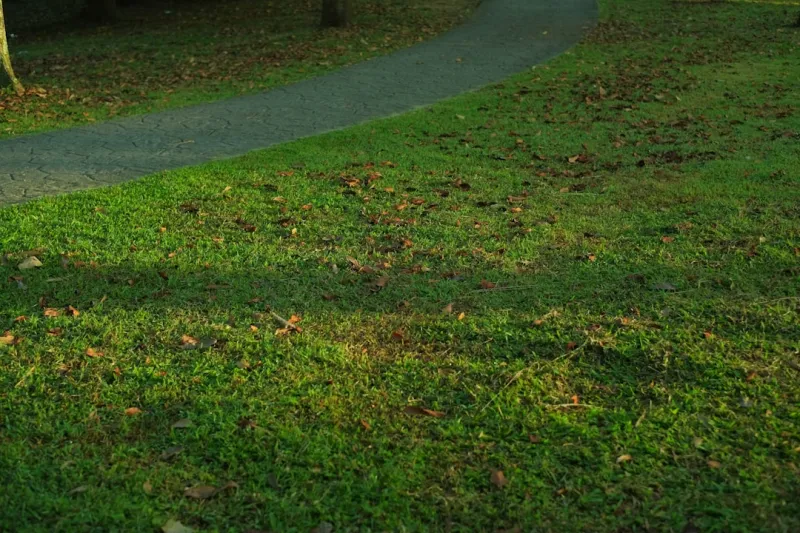
The Intersection of Lawn Care and Sustainable Living
As a homeowner and a passionate advocate for sustainable living, I've come to realize the critical role that lawn care plays in maintaining a healthy and eco-friendly outdoor space. A well-manicured lawn not only enhances the aesthetic appeal of our homes but also contributes to a greener environment. In this article, I'll explore the intersection of lawn care and sustainable living, and provide practical tips on how to create a beautiful and eco-friendly lawn.
Lawn care is often associated with chemical-based fertilizers, pesticides, and excessive water consumption. However, this approach can have devastating effects on our environment, contaminating soil, air, and water. Sustainable lawn care practices offer a better alternative, focusing on natural methods that promote soil health, conserve water, and minimize waste. By adopting these practices, we can create a thriving lawn that's not only beautiful but also beneficial to the environment.
The Benefits of Sustainable Lawn Care
Sustainable lawn care offers numerous benefits, including reduced environmental impact, cost savings, and improved soil health. By using natural fertilizers and pest control methods, we can minimize our reliance on chemical-based products and create a healthier ecosystem. Sustainable lawn care also promotes water conservation, which is essential in areas prone to drought. Moreover, a well-maintained lawn can increase property value and provide a peaceful outdoor space for recreation and relaxation.
Some of the key benefits of sustainable lawn care include:
- Reduced environmental impact: Sustainable lawn care practices minimize the use of chemical-based products, reducing pollution and promoting soil health.
- Cost savings: Natural fertilizers and pest control methods are often less expensive than chemical-based products.
- Improved soil health: Sustainable lawn care practices promote soil biota, structure, and fertility, creating a healthy ecosystem.
Natural Fertilizers and Pest Control Methods
One of the most effective ways to promote sustainable lawn care is by using natural fertilizers and pest control methods. Composting is an excellent way to create nutrient-rich soil, reducing the need for synthetic fertilizers. Additionally, using natural pest control methods like introducing beneficial insects, practicing crop rotation, and using physical barriers can help minimize the use of chemical-based pesticides.
Some popular natural fertilizers include:
- Compost: A nutrient-rich soil amendment created from organic matter.
- Manure tea: A liquid fertilizer made from animal manure.
- Fish emulsion: A liquid fertilizer made from fish waste.
Water Conservation and Efficient Irrigation
Water conservation is a critical aspect of sustainable lawn care. Overwatering can lead to soil erosion, water waste, and increased energy consumption. To conserve water, it's essential to adopt efficient irrigation practices, such as:
- Using drought-tolerant grass species: Selecting grass species that require minimal watering can significantly reduce water consumption.
- Installing rain sensors: Rain sensors can detect rainfall and adjust irrigation schedules accordingly.
- Using smart irrigation systems: Smart irrigation systems use weather data and soil moisture levels to optimize watering schedules.
The Role of Lawn Mowing in Sustainable Lawn Care
Lawn mowing is an essential aspect of lawn care, but it can also have a significant impact on the environment. Sustainable lawn mowing practices focus on minimizing waste, reducing emissions, and promoting soil health. Some tips for sustainable lawn mowing include:
- Using electric or manual mowers: Electric and manual mowers produce zero emissions and are more environmentally friendly.
- Leaving grass clippings on the lawn: Leaving grass clippings on the lawn can act as a natural fertilizer, reducing waste and promoting soil health.
- Mowing at the right height: Mowing at the right height can promote healthy growth, reduce weed growth, and minimize the need for fertilizers.
Creating a Sustainable Lawn Care Plan
Creating a sustainable lawn care plan requires careful consideration of several factors, including soil type, climate, and local regulations. Here are some steps to follow:
- Assess your lawn: Assess your lawn's condition, including soil type, grass species, and existing vegetation.
- Set goals: Set goals for your lawn care plan, including reducing water consumption, minimizing waste, and promoting soil health.
- Choose sustainable practices: Choose sustainable practices that align with your goals, such as using natural fertilizers, conserving water, and promoting biodiversity.
Conclusion
Sustainable lawn care is a critical aspect of maintaining a healthy and eco-friendly outdoor space. By adopting natural fertilizers, pest control methods, and efficient irrigation practices, we can create a thriving lawn that's not only beautiful but also beneficial to the environment. As a homeowner and a passionate advocate for sustainable living, I encourage you to join me in promoting sustainable lawn care practices. Together, we can create a greener future for our homes and our communities.
By following these tips and practices, you can create a sustainable lawn care plan that benefits both your home and the environment. Remember, every small step counts, and collective action can lead to significant positive change.
Additional Resources
For more information on sustainable lawn care and sustainable living, check out the following resources:

Kelly Reynolds is a dynamic freelance writer hailing from the picturesque landscapes of Alberta. A master of the written word, she juggles her passion for storytelling with the exhilarating chaos of being a mother to five spirited children. With an impressive portfolio that spans various genres, Kelly captivates readers through her engaging blog posts and thought-provoking articles.
Related Posts

Cultivating a Living Carpet: A Holistic Approach to Modern Lawn Care
Learn how to transform your lawn into a thriving ecosystem with soil science, native grasses, smart ... Read More

The Greening of Lawn Care: Sustainable Practices for a Lush and Eco-Friendly Yard
Learn how to create a sustainable and eco-friendly yard with these simple and effective lawn care pr... Read More
The Hidden Power of Soil Microbiomes: A New Era for Lush Lawns
Learn how a healthy soil microbiome can transform your lawn into a self‑sustaining, drought‑tole... Read More
Top Posts

The Secret Sauce Behind Future‑Proof Commercial Renovations
A deep dive into building commercial spaces that evolve with business needs—using modular platforms, data‑driven planning, wellness integration, and renewab...Read More

Revitalizing Commercial Spaces: The Business Case for Human‑Centric Renovations
A fresh look at commercial renovations that puts humans at the core—learn why biophilic design, flexible layouts, and smart systems are the secret weapons for...Read More

How Waterproofing is Becoming the Silent Powerhouse of Building Resilience
Waterproofing is evolving from a reactive afterthought to a proactive, data‑driven strategy that protects assets, cuts energy use, and supports sustainable bu...Read More

Circular Maintenance: Waste-to-Resource Upkeep for Modern Properties
A deep dive into circular maintenance strategies shows property managers how to repurpose waste, reduce expenses, and create greener, more resilient buildings....Read More
0 Comments
Post Comment
You will need to Login or Register to comment on this post!