

Why Appliance Repair Is the New Hot Topic in Home Maintenance
When I first stepped onto a construction site, I never imagined I’d spend as much time wrestling with refrigerators, washers, and dishwashers as I do with concrete and steel. Appliance repair has surged to the top of homeowners’ to‑do lists because a broken fridge no longer means a week of bland meals and a pile of waste; it means a spike in energy bills and a dent in your sustainability goals. The modern homeowner is hyper‑aware of carbon footprints, and the appliance industry is responding with smarter, greener technology that, paradoxically, brings new complexities to the repair table. In this post I’ll walk you through the trends reshaping the field, the tools you need to stay ahead, and how to balance DIY ambition with the expertise of a seasoned contractor.
The Sustainability Shift: Repair Over Replacement
For years the default advice was “just buy a new unit,” but today’s market rewards repair over replacement as the greener, more economical choice. Energy‑star appliances now come with modular components designed for easy swap‑outs, meaning a faulty compressor or a busted motor can be fixed without discarding the whole machine. This shift is driven by both consumer demand for lower environmental impact and manufacturers’ desire to extend product lifespans under tightening regulations. By choosing to repair, you keep valuable raw materials out of landfills, reduce the emissions associated with manufacturing, and often enjoy a lower total cost of ownership. The key is to recognize when a component can truly be salvaged, and when it’s time to call in a professional who can certify the repair meets safety and efficiency standards.
Common Failure Points and the Diagnostic Mindset
Every appliance tells a story through its symptoms, and mastering that narrative is the first step to an effective repair. Refrigerators most often complain via uneven cooling, which usually points to a clogged condenser coil, a failing evaporator fan, or a refrigerant leak—each requiring a different set of tools and knowledge. Washers, on the other hand, reveal problems through excessive vibration or error codes that hint at worn bearings or electronic control board issues. By adopting a systematic diagnostic approach—listen, observe, test—you can isolate the root cause quickly and avoid unnecessary part replacements. Remember, the most expensive mistake is swapping out a perfectly good part just because you couldn’t pinpoint the real culprit.
DIY vs. Professional: When to Roll Up Your Sleeves
There’s a satisfying pride that comes from fixing a busted dishwasher on a Saturday afternoon, but safety and warranty considerations often dictate the line between DIY and professional intervention. Simple tasks like cleaning lint filters, checking water inlet valves, or reseating a loose plug are perfectly within the homeowner’s realm, especially when you have a solid toolbox and a reliable guide. However, when you’re dealing with high‑voltage components, sealed refrigeration systems, or sealed‑tube dryer vents, the risk of electric shock, refrigerant mishandling, or voided warranties skyrockets. In those moments, a licensed technician not only brings the proper certifications but also the latest diagnostic equipment that can save you time and money in the long run.
Essential Tools and Sustainable Parts for the Modern Repairer
Equipping your garage or workshop with the right tools is an investment that pays dividends every time a neighbor’s dryer sputters or a client’s fridge stops humming. A high‑quality multimeter, a set of insulated screwdrivers, and a reliable vacuum pump for refrigerant recovery are non‑negotiables. Pair these with a stocked inventory of OEM‑approved, sustainably sourced replacement parts, and you’ll reduce the carbon cost of shipping and manufacturing new units. For those just starting out, the DIY Home Repairs: Sustainable Solutions From a Veteran Contractor guide offers a practical roadmap to building a tool chest that aligns with green building principles without breaking the bank.
Smart Appliances, IoT, and the Electrician’s Playbook
The rise of smart appliances—fridges that alert you when the door is ajar, ovens that self‑diagnose, washers that sync with your phone—has introduced a new layer of complexity to repairs. These devices rely on embedded firmware and wireless modules that can fail independently of mechanical components. When a smart thermostat or a Wi‑Fi‑enabled dishwasher stops responding, the first step is often a firmware reset, followed by a check of the network connectivity and power supply. If the issue persists, a qualified electrician can trace the low‑voltage wiring and verify that the appliance complies with the latest safety codes. For deeper insights into integrating sustainable power solutions with modern appliances, see The Electrician’s Playbook: Trending Sustainable Power Solutions for Modern Homes.
Routine Maintenance: The Unsung Hero of Longevity
Just as you would change the oil in a car, regular maintenance is the secret sauce that keeps appliances humming for years. A monthly clean‑out of dryer lint, quarterly descaling of coffee makers, and an annual inspection of refrigerator door seals can prevent the most common failures before they happen. Moreover, cleaning the HVAC ducts that service your dryer exhaust and refrigerator condenser can dramatically improve efficiency and reduce energy waste—a point highlighted in The Sustainable Contractor’s Guide to Duct Cleaning. By incorporating these habits into your seasonal home‑care checklist, you not only extend the life of each appliance but also contribute to a healthier indoor environment.
Looking Ahead: The Future of Appliance Repair
The next wave of appliance repair will be defined by circular economy principles, predictive maintenance powered by AI, and a deeper integration of sustainable materials. As manufacturers embed more sensors and analytics into their products, technicians will increasingly rely on data streams to anticipate failures before they manifest, reducing downtime and waste. For contractors and DIY enthusiasts alike, staying educated on these emerging technologies is crucial—continuing education courses, manufacturer certification programs, and industry webinars will become as essential as a wrench in your toolbox. Embrace the shift, invest in the right tools, and remember that every repair you complete is a vote for a greener, more resilient home.

William Roy is a freelance writer originally from Montreal who moved to Ottawa with his wife of 50 years to be closer to their grandkids. Alongside his writing, William has a passion for fishing.
Related Posts

The Hidden Value of Scheduled Appliance Check‑Ups
Regular appliance check‑ups prevent costly breakdowns, improve safety, and extend device lifespan.... Read More

When Your Fridge Starts Whispering: Decoding Early Appliance Fatigue
A quiet hum from a refrigerator isn’t just noise—it’s an early warning. This guide shows prope... Read More
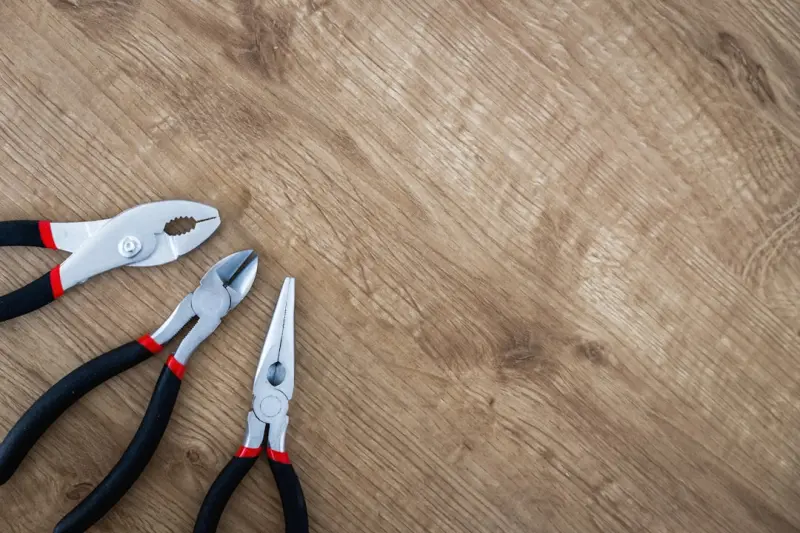
The Hidden Costs of DIY Appliance Repair and When to Call a Pro
DIY appliance repairs can lead to hidden expenses and safety risks. Learn the red flags and preventi... Read More
Top Posts
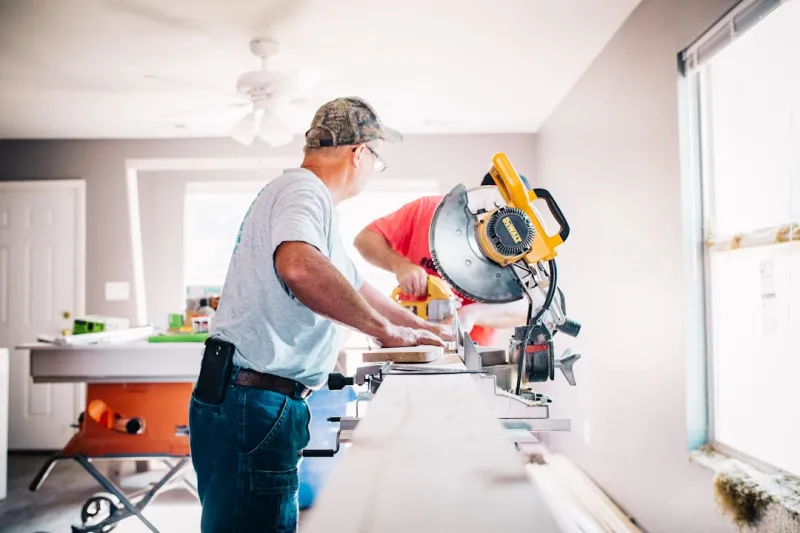
Smart Home Renovations: How to Boost Energy Efficiency and Comfort
Make your home a comfortable and energy-efficient oasis with smart renovations. Learn how to boost energy efficiency and comfort with sustainable additions and ...Read More

Design‑Build Meets Augmented Reality: Real‑Time Collaboration for Smarter Projects
Augmented reality is reshaping design‑build workflows by overlaying 3‑D models onto physical sites, enabling real‑time feedback, material traceability, an...Read More

Data-Driven Snow Removal: How to Plan, Prioritize, and Save Time
Discover a data‑focused approach to snow removal that helps you schedule trips, allocate resources, and stay ahead of storms—saving time, money, and stress....Read More

The Evolution of Masonry: A Comprehensive Guide to Modern Techniques and Materials
The evolution of masonry has come a long way, from traditional stonework to modern concrete innovations. Learn about the latest techniques and materials that ar...Read More
0 Comments
Post Comment
You will need to Login or Register to comment on this post!