
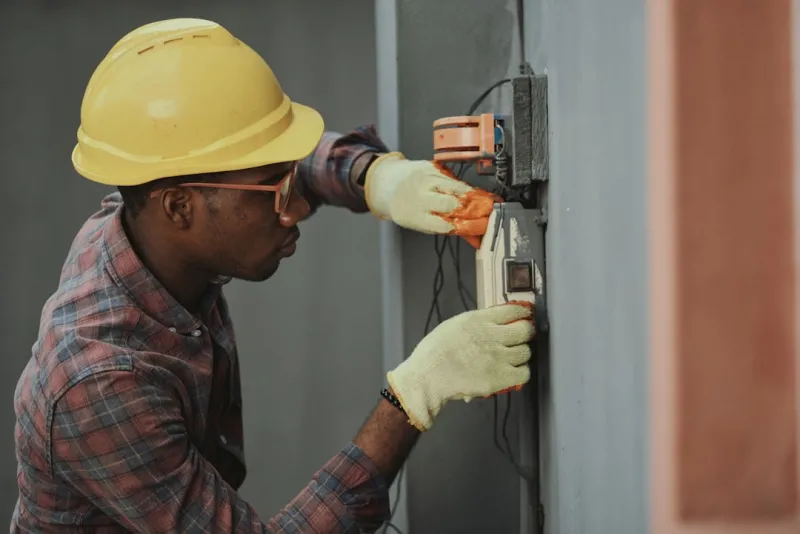
Why the Electrical Landscape Is Shifting Toward Green Power
When I first stepped onto a construction site as a rookie electrician, the buzz of incandescent bulbs and the clatter of copper wiring felt like the soundtrack of progress, but today the same hum is punctuated by the subtle whirr of solar inverters and the quiet efficiency of LED fixtures, a transformation that reflects a broader societal pivot toward sustainability; the surge in demand for low‑carbon power solutions isn’t just a trend—it’s a wholesale re‑engineering of how we think about energy distribution, consumption, and the very materials that carry the current through our homes, and as I walk through a modern remodel, I see the tell‑tale signs of a greener future in every conduit and junction box, from the integration of smart load‑balancing panels to the strategic placement of EV charging stations that anticipate the next wave of electric vehicle adoption. Understanding these shifts is essential not only for staying relevant in a competitive market but also for championing the environmental stewardship that homeowners now expect from their tradespeople.
Smart Panels and the Rise of Home Energy Management
In the past, a homeowner’s electrical system was a static, set‑it‑and‑forget‑it network, but the advent of intelligent load‑centers equipped with Wi‑Fi connectivity and AI‑driven analytics has turned the panel into a living dashboard that can predict peak demand, shift discretionary loads to off‑peak hours, and even communicate with rooftop solar arrays to maximize self‑consumption; this level of granularity empowers owners to slash utility bills while reducing strain on the grid, and as a field electrician, I’ve learned to program these systems with the same precision I once reserved for wiring a simple lighting circuit, ensuring that the software side of the installation mirrors the rigor of the hardware work. Moreover, the ability to remotely monitor circuit health and receive proactive alerts about potential overloads or fault conditions adds a layer of safety that traditional breakers simply can’t provide, making the modern smart panel a cornerstone of any forward‑thinking renovation.
Integrating Renewable Energy Sources Without a Hitch
One of the most exhilarating challenges I’ve tackled this year involved wiring a new home that already boasted a 7‑kilowatt solar array, a battery storage unit, and a cutting‑edge heat‑pump water heater, each component demanding careful coordination to avoid phase imbalances and ensure that the inverter’s maximum power point tracking could operate unhindered; the key was designing a dedicated sub‑panel for renewable inputs, using appropriately sized DC‑rated breakers, and incorporating a bi‑directional meter that could seamlessly toggle between grid import and export, a setup that not only met the local code requirements but also future‑proofed the residence for upcoming upgrades like a solar‑powered EV charger. For electricians who have built their careers on the predictability of AC circuits, embracing these DC‑centric installations can feel like learning a new language, yet the payoff is evident in the dramatic reduction of carbon footprints and the satisfaction of delivering a home that truly runs on clean energy.
Electric Vehicle (EV) Charging: From Niche to Necessity
Just a handful of years ago, installing a Level 2 EV charger was a specialty job reserved for niche enthusiasts, but today the average homeowner expects a ready‑to‑use charging point in the garage or driveway, and the code has evolved to accommodate higher amperage circuits, dedicated grounding, and enhanced fire‑rating requirements; I recently completed a project where I ran a 60‑amp circuit from the main service panel to a sleek wall‑mounted charger, complete with a conduit that was both weather‑sealed and aesthetically integrated into the home’s architectural lines, all while coordinating with the homeowner’s utility provider to secure the necessary demand‑side management approvals. The surge in EV ownership means that electricians must not only master the electrical intricacies but also stay abreast of incentive programs, rebates, and emerging standards like ISO 15118 that enable vehicle‑to‑grid communication, positioning us as essential advisors in the transition to electrified transportation.
LED Lighting Design: More Than Just Energy Savings
LED technology has moved far beyond the simple replacement bulb; it now offers tunable white, color‑changing capabilities, and integration with voice‑activated assistants, allowing designers to craft dynamic lighting scenes that can enhance mood, improve circadian rhythms, and even boost productivity, all while delivering a fraction of the energy consumption of traditional fixtures; in my recent kitchen remodel, I specified a series of recessed LEDs with adjustable color temperature, wired to a smart dimmer that could be programmed via a mobile app to dim gradually at sunset, mimicking natural light transitions and reducing the need for artificial illumination after dark. By treating lighting as an interactive system rather than a static element, we not only meet the aesthetic aspirations of clients but also reinforce the sustainable narrative that permeates modern construction, proving that efficiency and elegance can coexist harmoniously.
Addressing Electrical Safety in Sustainable Homes
While the push toward greener materials and renewable systems is undeniably positive, it also introduces new safety considerations that electricians must vigilantly manage, such as ensuring proper grounding for solar inverters, installing arc‑fault circuit interrupters (AFCIs) in areas where DC currents coexist with AC loads, and verifying that all conduit used for outdoor renewable installations meets the latest UV‑resistance standards; overlooking these details can lead to hidden hazards that undermine the very sustainability goals homeowners seek to achieve. To stay ahead, I regularly consult resources like Why Sustainable General Contracting Is the Future of Home Renovations, which underscores the importance of integrating safety protocols into every phase of a project, from initial design through final inspection, ensuring that the home’s green credentials are not compromised by latent electrical risks.
Future‑Proofing Electrical Infrastructure for Smart Homes
As the Internet of Things (IoT) continues to proliferate, a modern home can host dozens of connected devices—from thermostats and security cameras to smart appliances and voice‑controlled assistants—each demanding reliable power and low‑latency communication pathways; the solution lies in installing dedicated data conduits alongside power lines, using Cat‑6a or fiber optic cabling where feasible, and configuring a robust home automation hub that can manage both energy usage and device interoperability, a practice that transforms the electrical system into the backbone of a truly intelligent residence. By anticipating the exponential growth of connected devices, electricians can lay the groundwork for seamless upgrades, preventing the need for invasive retrofits down the line and reinforcing the home’s long‑term value and sustainability profile.
Connecting the Dots: The Electrical Trade’s Role in the Green Revolution
Ultimately, the electrician’s craft is at the intersection of safety, technology, and environmental responsibility, and as I reflect on the projects that have defined my career—from wiring solar‑ready roofs to installing high‑capacity EV chargers—I recognize that our role has evolved from mere installers to strategic partners in a homeowner’s journey toward a greener future; we are the ones who translate lofty sustainability goals into tangible, code‑compliant solutions that power everyday life without compromising the planet. For fellow professionals looking to deepen their expertise, I recommend exploring related sustainability content such as The Sustainable Approach to Bathtub Refinishing, which, while not directly electrical, illustrates the broader mindset needed to embed eco‑friendly practices across all trades, fostering a collaborative ecosystem where each specialist contributes to a holistic, low‑impact home environment.

Tom Ferguson is a Canadian freelance writer with a passion for storytelling, current events, and thoughtful commentary. Drawing on years of writing experience, he shares engaging insights on a wide range of topics, bringing a uniquely Canadian perspective to his work.
Related Posts
Modular Electrical Distribution: Building Agile Power for Modern Workplaces
A deep dive into modular electrical distribution, exploring its components, benefits, real‑world a... Read More
Powering the Future: How EV Charging Hubs Transform Commercial Buildings
A deep dive into why electric‑vehicle charging hubs are more than an amenity—showcasing the fina... Read More
Electrify Your Workspace: Turning Power Into a Strategic Asset
A deep dive into making electricity a proactive, data‑driven advantage for modern workplaces, cove... Read More
Top Posts

Revamping Your Home's Aesthetic: A Comprehensive Guide to Interior Design
Get expert advice on revamping your home's interior with our comprehensive guide to interior design. Learn how to create a beautiful and functional space that r...Read More

The Handyman’s Playbook: Proactive Home Care That Saves Time and Money
A seasoned handyman shares his proven strategy for assembling the right tools, scheduling seasonal checks, and spotting hidden issues before they become costly ...Read More

Smart Surfaces: Merging Tech and Design in Modern Countertops
Discover the rise of smart countertops—materials that blend durability, sustainability, and embedded tech—offering a seamless, future‑ready kitchen experi...Read More

Seasonal Wardrobe Rotation: Turning Your Closet into a Year‑Round Organizer
Learn to transform a static closet into a flexible, seasonal storage solution that simplifies dressing, extends garment life, and brings calm to your daily rout...Read More
0 Comments
Post Comment
You will need to Login or Register to comment on this post!