
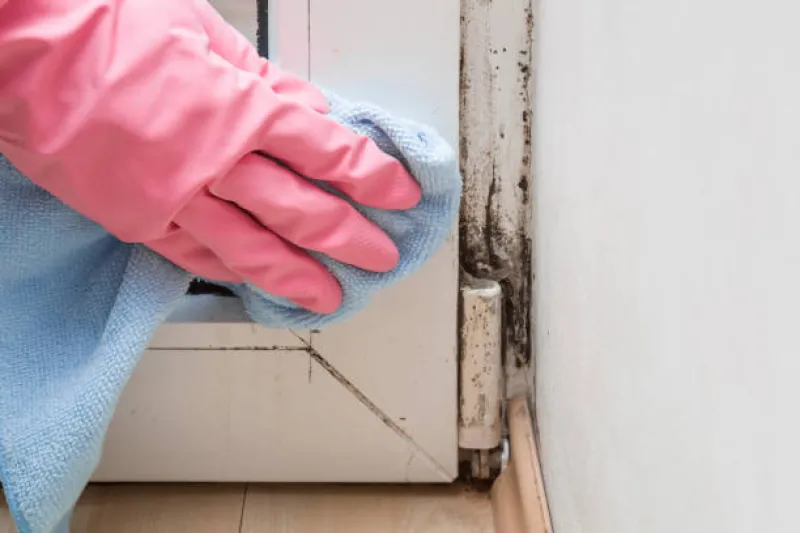
As Lifan Chen, I’ve seen my share of homeowner woes. From overflowing gutters to stubborn clogs, I’ve navigated the intricate dance between a home and its persistent challenges. But few issues evoke as much quiet dread and immediate concern as mold. It's the silent invader, often unseen, yet its presence can undermine the very foundation of your health and home. Many think of mold as merely an ugly stain, but believe me, it’s far more insidious than that. It’s a living organism that thrives on neglect, moisture, and a lack of proper attention.
My philosophy has always been proactive prevention, but sometimes, despite our best efforts, mold finds a way in. When it does, understanding how to address it effectively and safely becomes paramount. This isn't just about scrubbing away a patch of black; it’s about understanding the root cause, mitigating risks, and ensuring your living environment remains a sanctuary, not a petri dish. Let’s dive deep into the world of mold, demystifying its removal and empowering you to reclaim control over your home.
Understanding the Enemy: What Exactly is Mold?
Mold isn't some exotic, rare affliction. It's a natural part of our environment, a type of fungi that plays a crucial role in decomposition outdoors. Indoors, however, it's an unwelcome guest. Mold reproduces by releasing spores, tiny microscopic particles that float through the air. These spores are everywhere, all the time, both inside and outside your home. The key is to prevent them from finding a comfortable spot to settle down and multiply.
All mold needs to grow is moisture, a food source, and suitable temperatures. Unfortunately, our homes provide all three in abundance. Drywall, wood, carpet, insulation, fabric, and even dust can serve as a food source. Add a little humidity or a persistent leak, and you've got yourself a potential mold farm. It doesn't discriminate; any home, old or new, can fall victim if the conditions are right.
Common Hiding Spots: Where Does Mold Lurk?
Mold is a master of disguise, often growing in hidden areas before making its presence known. Think dark, damp, and undisturbed spaces. Basements and crawl spaces are prime suspects. After all, they are often cool, humid, and may not receive regular ventilation. A forgotten spill or a slow leak in these areas can quickly become a breeding ground.
Bathrooms are another notorious hotspot due to constant moisture from showers and baths. Look behind tiles, under sinks, around leaky pipes, and even on shower curtains. Kitchens, particularly under sinks, around dishwashers, and near refrigerators, can also harbor mold. Anywhere water is used, there's potential for mold if moisture isn't properly managed. Even areas around windows where condensation builds up can become moldy over time.
The Health Stakes: Why Mold Removal Matters Beyond Aesthetics
This is where my concern for homeowners truly kicks in. Mold isn't just unsightly; it can pose significant health risks. Different types of mold produce different compounds, some of which are irritants or even toxic. Symptoms can vary widely, from mild allergic reactions to more severe respiratory issues, particularly for sensitive individuals, children, the elderly, or those with compromised immune systems.
Common symptoms include sneezing, runny nose, red eyes, skin rash, and a stuffy nose. For others, mold exposure can trigger asthma attacks or lead to more chronic conditions like headaches, fatigue, and difficulty concentrating. It's not just about the visible mold; the spores and volatile organic compounds (MVOCs) released by mold can severely impact indoor air quality, making your home feel less like a haven and more like a health hazard. This is why addressing mold promptly is not a luxury, but a necessity for the well-being of everyone under your roof.
Detecting the Unseen: Signs and Smells of Mold
While mold often prefers to stay out of sight, it usually leaves clues. The most obvious sign is visible growth, which can appear as fuzzy, slimy, or discolored patches—black, green, white, or even orange. But don’t wait until you see it. Your nose is often your first and best defense against hidden mold. That distinct, musty, earthy smell, often described as similar to wet dirt or decaying leaves, is a strong indicator of mold growth, even if you can't see it.
Other signs include peeling paint, warped walls, discolored drywall, or new dark stains on surfaces, especially after a water incident. If you notice persistent condensation on windows or cold surfaces, or if anyone in your household is experiencing unexplained allergy-like symptoms that improve when they leave the house, mold could be the culprit. Trust your senses and investigate any suspicious signs.
DIY vs. Professional: When to Call in the Cavalry
So, you’ve found mold. What now? The instinct might be to grab some bleach and scrub. But hold on a moment. The approach you take depends heavily on the extent and location of the growth. For small patches of mold—say, less than 10 square feet (roughly a 3x3 foot area)—you can often tackle it yourself. This usually applies to surface mold on non-porous materials, like ceramic tiles or glass.
However, if the mold covers a large area, appears after significant water damage (like a flood or burst pipe), or is growing on porous materials such as drywall, insulation, or carpet, it’s time to call in the professionals. Attempting to clean extensive mold yourself can actually spread spores, exacerbate the problem, and expose you to health risks. Mold remediation specialists have the right equipment, training, and containment strategies to safely and effectively remove large infestations, preventing further spread and ensuring your home is truly clean.
The DIY Approach: Tackling Small Mold Issues Safely
For those small, manageable mold spots, here’s how to proceed with caution and effectiveness. First, protect yourself. Always wear old clothes that can be washed immediately or discarded, rubber gloves, eye protection, and, critically, an N-95 respirator mask to avoid inhaling spores. Good ventilation is key, so open windows if possible.
Next, prepare your cleaning solution. For non-porous surfaces, a simple solution of detergent and water often works best. For tougher spots, a diluted bleach solution (no more than one cup of bleach per gallon of water) can be used, but never mix bleach with ammonia or other cleaners, as it can create toxic fumes. Gently scrub the moldy area with a stiff brush or sponge. After scrubbing, rinse the area and ensure it dries completely to prevent regrowth. For porous materials like wood, you may need to use specialized mold cleaners or consider removing and replacing the affected material if the mold has penetrated deep. Remember, thorough drying is paramount to success.
Prevention is Key: Stopping Mold Before It Starts
As I always say, an ounce of prevention is worth a pound of cure. Proactive measures are the most effective way to keep mold at bay. The overarching goal is to control moisture—mold’s best friend. Here’s my rundown of essential preventative steps:
Mastering Moisture Control
- Ventilation is Vital: Ensure proper ventilation in moisture-prone areas like bathrooms and kitchens. Use exhaust fans during and after showering or cooking. Open windows when weather permits to encourage airflow and reduce indoor humidity.
- Dehumidifiers and AC: In humid climates or seasons, a dehumidifier can be your best friend, especially in basement environments. Aim to keep indoor humidity levels below 60%, ideally between 30-50%. Air conditioning also helps by cooling and dehumidifying the air.
- Fix Leaks Promptly: This is non-negotiable. Even a small, persistent drip from your home's plumbing system can create the perfect conditions for mold growth. Regularly check under sinks, around appliances, and look for water stains on ceilings or walls. Speed is of the essence when it comes to water damage.
Maintaining a Clean & Dry Home
- Regular Cleaning: Dust and dirt can be food sources for mold. Regular cleaning, especially with a HEPA-filtered vacuum, removes spores and potential food sources. Pay attention to areas where dust collects, like behind furniture or under beds.
- Gutters and Drainage: Ensure your exterior drainage systems are working correctly. Clean gutters regularly and make sure downspouts direct water away from your home’s foundation. Poor drainage can lead to water intrusion, especially into basements and crawl spaces.
- Proper Insulation: Insulate pipes, especially in cold areas, to prevent condensation. Proper home insulation helps maintain consistent indoor temperatures, reducing the likelihood of condensation forming on walls and ceilings where mold can then thrive.
- Air Quality Matters: Consider using an air purifier with a HEPA filter. While not a direct mold killer, it can help remove airborne mold spores, improving overall indoor air quality and reducing the chances of spores settling and growing.
After the Battle: Ensuring Mold Doesn't Return
Once mold has been removed, whether by you or a professional, the work isn't entirely done. The key is to prevent recurrence. This goes back to diligent moisture control. Continuously monitor the area where mold was found. Check for any lingering dampness, musty odors, or signs of new growth. Address any underlying issues that led to the mold in the first place.
For instance, if a leaky pipe was the cause, ensure it’s thoroughly repaired. If high humidity was the culprit, invest in a good dehumidifier and keep an eye on humidity levels with a hygrometer. Replace any porous materials that were affected and couldn't be fully cleaned. This vigilance is crucial for maintaining a truly mold-free and healthy home environment for the long term. A one-time fix without addressing the root cause is a recipe for mold's inevitable return.
My Final Thoughts on a Mold-Free Home
Dealing with mold can feel overwhelming, but it's a challenge every homeowner can overcome with the right knowledge and approach. From understanding its sneaky nature to implementing robust preventative measures, you have the power to protect your home and your health. Remember, don’t ignore the signs, act swiftly, and don't hesitate to seek professional help when the situation demands it. Your home is your sanctuary, and keeping it mold-free is an essential part of maintaining its integrity and the well-being of those who live within its walls. Stay vigilant, stay dry, and breathe easy knowing you’ve tackled the silent menace head-on.

Lifan Chen is a freelancer based in Toronto specializing in marketing. With expertise in crafting effective marketing strategies and campaigns, Lifan helps businesses grow their brand presence and reach target audiences. As a Toronto-based freelancer, Lifan combines local market insights with creative marketing skills to deliver tailored solutions for clients.
Related Posts

Beyond the Spot: A Proactive Playbook for Mold Removal in Modern Workspaces
Mold isn’t just a cleaning issue; it’s a hidden threat to indoor health and building performance... Read More
Mold Removal Mastery: A Pro’s Playbook for Healthy Spaces
A seasoned facilities expert shares a step‑by‑step playbook for diagnosing, eradicating, and pre... Read More
Mold Removal Mastery: Turning a Hidden Threat into a Home Wellness Habit
Learn how to turn mold removal into a simple, wellness‑focused routine using smart tools, smart ha... Read More
Top Posts

The Future of Tree Care: Data, Drones, and Decentralized Stewardship
A deep dive into how modern technology—drones, IoT sensors, and AI—is revolutionizing tree care, enabling proactive maintenance, cost savings, and integrati...Read More

Building the Perfect Garage: A Comprehensive Guide
Building a garage can be a daunting task, but with the right planning and execution, it can be a rewarding experience. Learn how to create a functional and attr...Read More

From Dusty Attic Finds to Centerpiece Statements: A Modern Guide to Furniture Restoration
Explore a fresh approach to furniture restoration that blends traditional craft with low‑tech tools, sustainable materials, and design strategies to turn vint...Read More

Sustainable Woodworking: How to Make Your Home Additions Eco-Friendly
Learn how to make your home additions eco-friendly with sustainable woodworking practices that reduce waste and promote a healthier planet....Read More
0 Comments
Post Comment
You will need to Login or Register to comment on this post!