
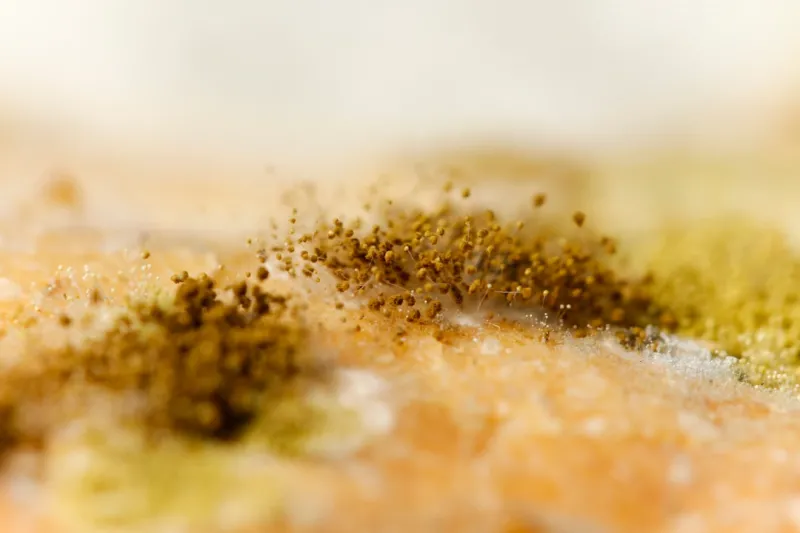
The Hidden Dangers of Mold in Your Home
As a homeowner, you're likely aware of the importance of maintaining a clean and safe living environment. However, one often-overlooked threat to your home's health and integrity is mold growth. Mold can appear in any damp or humid area, causing a range of problems from unpleasant odors to serious health issues. In this article, we'll explore the dangers of mold in your home and what you can do to prevent and remove it.
Mold is a type of fungus that thrives in moist environments. It can grow on a variety of surfaces, including walls, ceilings, floors, and even furniture. When mold spores come into contact with moisture, they begin to germinate and form colonies. These colonies can produce mycotoxins, which are toxic substances that can be released into the air and cause a range of health problems. Respiratory issues are a common concern, as mold spores can aggravate conditions like asthma and allergies.
The Health Risks of Mold Exposure
Exposure to mold can have serious health consequences, particularly for vulnerable individuals like the elderly, young children, and people with compromised immune systems. Some of the most common health risks associated with mold exposure include:
- Respiratory problems, such as coughing, sneezing, and difficulty breathing
- Allergic reactions, including skin rashes and itchy eyes
- Infections, particularly for people with weakened immune systems
- Neurological problems, such as headaches and memory loss
In extreme cases, mold exposure can even lead to more serious conditions, such as chronic inflammatory response syndrome (CIRS). This condition can cause a range of symptoms, including fatigue, joint pain, and cognitive impairment.
Common Areas Where Mold Grows
Mold can grow in any damp or humid area, but some parts of the home are more prone to mold growth than others. Some of the most common areas where mold grows include:
- Bathrooms, particularly around showers and bathtubs
- Kitchens, especially near sinks and appliances
- Basements and crawlspaces, which can be prone to dampness and humidity
- Attics, where moisture can accumulate from roof leaks or poor ventilation
Preventing Mold Growth
The best way to deal with mold is to prevent it from growing in the first place. Here are some steps you can take to reduce the risk of mold growth in your home:
- Fix any leaks or water damage promptly
- Improve ventilation, particularly in areas prone to moisture
- Use a dehumidifier to reduce humidity levels
- Clean and disinfect surfaces regularly
The Importance of Proper Ventilation
Proper ventilation is critical in preventing mold growth. When moisture accumulates in a confined space, it can create an ideal environment for mold to thrive. By ensuring good airflow and ventilation, you can reduce the risk of mold growth and keep your home healthy and safe. Consider installing energy-efficient windows and doors to improve ventilation and reduce moisture accumulation.
Removing Mold from Your Home
If you do discover mold in your home, it's essential to act quickly to remove it. Here are some steps you can take:
- Contain the affected area to prevent mold spores from spreading
- Wear protective gear, including gloves, masks, and eye protection
- Clean and disinfect surfaces with a solution of water and bleach
- Use a HEPA air purifier to remove mold spores from the air
For more severe cases of mold growth, it's often best to consult a professional mold remediation service. These experts have the training and equipment to safely and effectively remove mold from your home.
The Benefits of Sustainable Mold Removal
When it comes to mold removal, there are many sustainable options available. By choosing eco-friendly products and methods, you can reduce the environmental impact of mold removal and keep your home healthy and safe. Some benefits of sustainable mold removal include:
- Reduced exposure to harsh chemicals
- Lower environmental impact
- Improved indoor air quality
- Cost savings from reduced energy consumption
The Role of Sustainable Building Practices
Sustainable building practices can play a critical role in preventing mold growth and promoting healthy indoor air quality. By incorporating sustainable materials and design principles into your home, you can reduce the risk of mold growth and create a healthier living environment. Consider consulting with a sustainable general contractor to learn more about eco-friendly building practices.
Conclusion
Mold growth is a serious threat to your home's health and integrity. By understanding the dangers of mold and taking steps to prevent and remove it, you can keep your home safe and healthy. Remember to prioritize proper ventilation, maintain a clean and dry environment, and consider sustainable mold removal options. By taking these steps, you can protect your home and your health from the dangers of mold.
Additional Resources
For more information on mold removal and sustainable building practices, consider consulting the following resources:
- The Hidden Dangers of Dirty Ducts: Why You Need to Prioritize Duct Cleaning
- The Importance of Home Weatherproofing: A Comprehensive Guide
- The Sustainable Awning Revolution: A Game-Changer for Homeowners
By staying informed and taking proactive steps to prevent and remove mold, you can keep your home healthy, safe, and sustainable for years to come.

David MacKinnon is a dynamic freelance writer known for his captivating storytelling and keen insights into the world of technology. With a passion for exploring the intersection of innovation and everyday life, he crafts engaging narratives that not only inform but also inspire his readers.
Related Posts

The Silent Threat: A Data‑Driven Playbook for Mold Eradication
A comprehensive guide to using real‑time monitoring, moisture mapping, and sustainable remediation... Read More
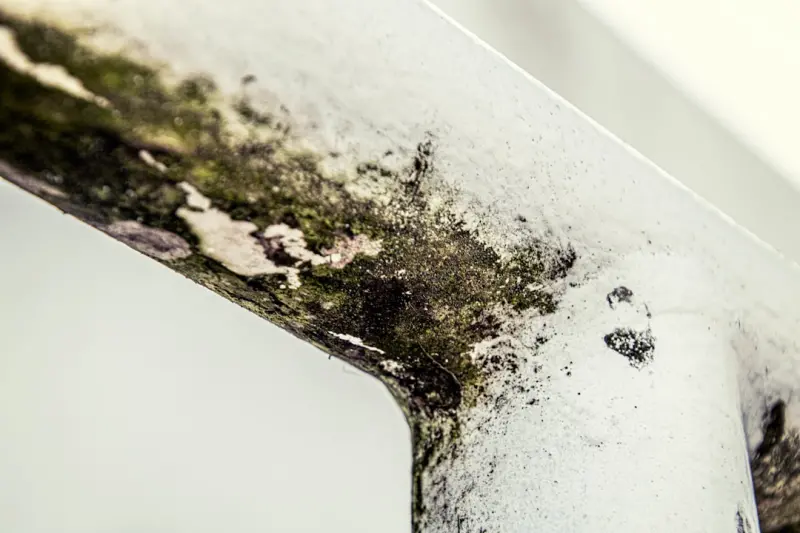
Eco‑Friendly Mold Removal: Green Strategies for Healthier Buildings
Explore eco‑friendly mold remediation techniques—from source control and biodegradable cleaners ... Read More
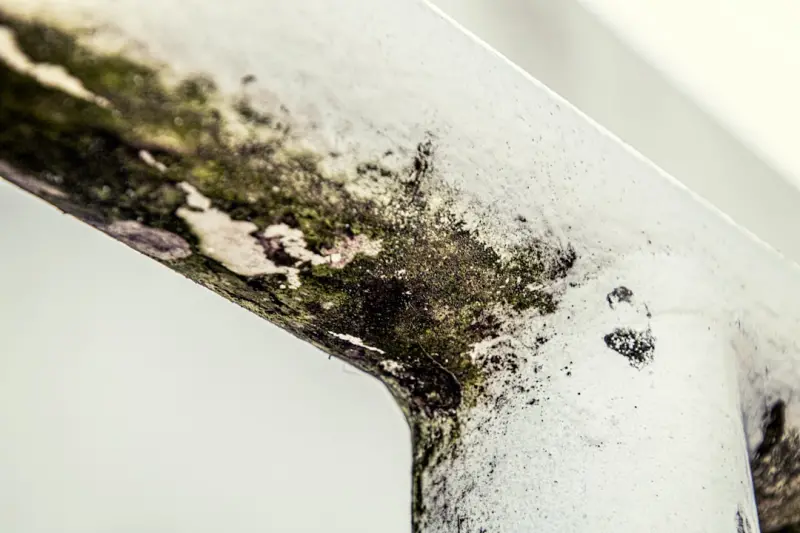
The Real Cost of DIY Mold Removal: What You Need to Know
Explore the true costs and safety concerns of DIY mold removal, with expert insights on containment,... Read More
Top Posts

Cultivating a High‑Impact Lawn: Science, Tech, and Business Benefits
A modern lawn is more than just grass—it’s a data‑rich, eco‑friendly platform that boosts property value, employee morale, and client engagement through...Read More

Concrete Creations: Turning Slabs into Stories
Discover the hidden artistry of concrete—from historic roots to modern DIY projects—showcasing sustainable mixes, decorative techniques, and collaborations ...Read More
Opening Opportunities: The Real ROI of a Modern Garage Door
A garage door isn’t just a cover for your car; it’s a pivotal element that impacts energy use, safety, curb appeal, and resale value. Learn how insulation, ...Read More

Reimagining Commercial Spaces: From Blueprint to Business Boost
Explore a fresh perspective on commercial renovations that prioritizes business goals, employee well‑being, and measurable ROI, turning any workspace into a g...Read More
0 Comments
Post Comment
You will need to Login or Register to comment on this post!