

Why Mold Removal Needs a Data‑First Mindset
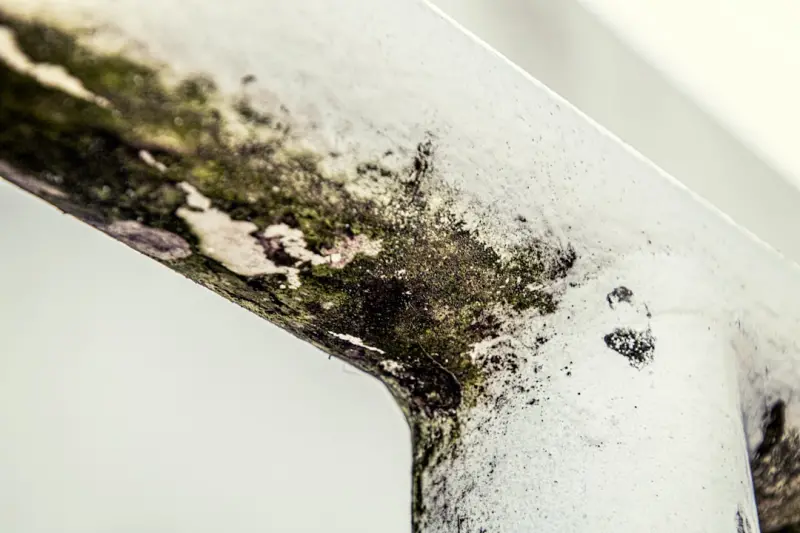
When most people think of mold, the image that comes to mind is a stubborn black speck on a bathroom tile or a musty smell in the attic. The conventional response is to scrub, spray, and hope the problem disappears. In the high‑stakes world of commercial real estate and corporate facilities, that approach is no longer acceptable. Today’s building managers, facilities engineers, and health‑focused CEOs understand that mold is not just an aesthetic nuisance—it’s a measurable risk that can erode productivity, increase liability, and undermine brand reputation.
My background in building performance analytics has taught me that every structural issue, from a leaky pipe to a cracked foundation, leaves a digital footprint. Mold is no different. By treating mold removal as a data‑driven process, we unlock three powerful benefits:
- Predictive insight: Identify hotspots before spores reach the air.
- Targeted remediation: Apply the right treatment exactly where it’s needed.
- Continuous verification: Prove to occupants and regulators that the environment stays safe.
In this post I’ll walk you through the emerging ecosystem that turns mold from a hidden threat into a quantifiable metric, and I’ll share practical steps you can implement right now.
The Hidden Cost of Ignoring Data
Consider a midsize office building that experiences a single mold incident in a ceiling tile. The immediate remediation cost might be $2,000, but the hidden expenses can be staggering:
- Increased sick days—average of 1.5 days per employee per month during the outbreak.
- Reduced employee morale and engagement, leading to a measurable dip in productivity.
- Potential legal exposure if occupants claim health impacts.
- Higher insurance premiums and possible non‑renewal.
When you factor in these indirect costs, the true price of a reactive approach can be ten times higher than a proactive, data‑centric strategy. The key is to capture, analyze, and act on moisture and air‑quality data before mold even thinks about taking root.
Core Technologies Powering Modern Mold Management
There are three pillars that make data‑first mold removal possible:
1. Real‑Time Moisture Sensors
Moisture is the single most reliable predictor of mold growth. State‑of‑the‑art hygrometers installed in walls, ceilings, and HVAC ducts send continuous readings to a cloud platform. When relative humidity crosses a predefined threshold—typically 60 % for more than 48 hours—the system flags the zone for investigation.
2. Air‑Quality Analytics
Modern IAQ (Indoor Air Quality) monitors can detect volatile organic compounds (VOCs), spores, and even specific fungal metabolites. By correlating these readings with moisture data, algorithms can differentiate between harmless outdoor pollen and indoor mold activity.
3. Imaging & Thermal Diagnostics
Thermal imaging has long been a tool for electricians and roof inspectors. Its ability to spot hidden water intrusion makes it equally valuable for mold detection. A quick scan of a wall can reveal temperature differentials that indicate trapped moisture behind drywall—an early warning sign that often precedes visible mold.
For a deeper dive on how thermal imaging can be leveraged in inspections, check out thermal imaging inspections.
From Detection to Remediation: A Step‑by‑Step Workflow
Below is a practical, data‑driven workflow that you can embed into your existing building management system (BMS). Each step is designed to minimize downtime and maximize ROI.
- Baseline Mapping: Deploy moisture sensors and IAQ monitors across high‑risk zones (bathrooms, kitchens, basements, and any area with condensation). Capture a 30‑day baseline to understand normal fluctuations.
- Threshold Configuration: Set humidity and spore count thresholds based on industry standards (e.g., EPA recommends below 60 % RH for indoor spaces). The system should trigger alerts when thresholds are breached for a sustained period.
- Automated Alerting: Integrate sensor alerts with your facility’s ticketing platform (e.g., ServiceNow, Jira). Alerts should contain location, sensor ID, and a confidence score.
- Rapid Visual Inspection: Once an alert fires, dispatch a qualified technician equipped with a handheld thermal camera. The visual overlay helps pinpoint the exact area of moisture accumulation.
- Targeted Remediation: Apply the appropriate mold removal method—encapsulation, biocide treatment, or material replacement—based on the material type and extent of contamination. Because the data tells you where the problem is, you avoid blanket demolition.
- Post‑Remediation Verification: Keep the sensors active for an additional 14‑day monitoring period. A successful remediation will show a return to baseline humidity and a drop in spore counts.
- Continuous Learning: Feed the entire incident cycle back into a machine‑learning model that refines threshold settings and predicts future hotspots.
Integrating Moisture Management with Waterproofing Strategies
Even the best sensors can’t prevent water from entering a structure. That’s why moisture detection must be paired with robust waterproofing. Recent advances in next‑gen waterproofing solutions—such as breathable membrane systems and self‑healing concrete sealants—provide a physical barrier that reduces the frequency of sensor alerts.
Think of waterproofing as the “preventive medicine” for your building, while sensors act as the “diagnostic tools.” When both are in place, you achieve a resilient envelope that dramatically lowers the probability of mold proliferation.
Case Study: A Data‑Driven Turnaround in a Mid‑Size Office Tower
One of our clients, a 12‑story office tower in a humid coastal city, struggled with recurring mold complaints in its fifth‑floor conference rooms. Traditional remediation—scraping walls, applying anti‑mold paints—provided only temporary relief.
We implemented a pilot program that installed 48 moisture sensors and 12 IAQ monitors across the affected floors. Within two weeks, the system logged three distinct humidity spikes that coincided with a faulty HVAC condensate line. A thermal scan confirmed a hidden leak behind the acoustic ceiling tiles.
Remediation steps were laser‑focused:
- Repaired the condensate line.
- Removed and replaced the compromised acoustic tiles.
- Applied a breathable waterproofing membrane to the ceiling substrate.
Post‑remediation data showed a 95 % reduction in humidity spikes and a 0 % spore count over the following 60 days. The client reported a 20 % drop in sick‑day usage among occupants of the affected floor—a tangible ROI that went beyond mere cost savings.
Choosing the Right Partners: What to Look for in a Mold‑Removal Vendor
Not all remediation companies are created equal. When you’re adopting a data‑first approach, you need a partner that can:
- Integrate with your IoT platform: The vendor should be able to receive sensor alerts directly into their workflow.
- Provide documentation and verification: Detailed reports with before‑and‑after sensor data are essential for compliance.
- Offer advanced treatment options: From nanotechnology‑based coatings to UV‑C light systems, modern tools can accelerate remediation.
- Support ongoing monitoring: A good vendor will leave the sensors in place and continue to track performance for at least 30 days after the job.
Future Trends: AI‑Powered Predictive Mold Management
We are on the cusp of a new era where artificial intelligence will not only flag current mold risks but also forecast future outbreaks based on weather patterns, building occupancy schedules, and historical sensor data. Imagine a dashboard that tells you, “There’s a 78 % chance of mold formation in Zone B next Tuesday due to an upcoming rainstorm.” You could pre‑emptively adjust HVAC setpoints or schedule a preventive inspection.
Early adopters are already experimenting with these predictive models. While the technology is still maturing, the trajectory is clear: mold management will become an integral part of the broader building health analytics suite, sitting alongside energy efficiency and occupant comfort metrics.
Getting Started Today: A 5‑Point Action Plan
If the idea of a data‑centric mold strategy feels overwhelming, break it down into manageable steps:
- Audit Existing Sensors: Identify any humidity or IAQ devices already installed. If none exist, start with a pilot in a high‑risk area.
- Set Baselines: Collect at least two weeks of data to understand normal fluctuations.
- Define Thresholds: Use industry guidelines to set initial alerts.
- Partner with a Certified Remediation Firm: Choose one that values data verification.
- Iterate: Review sensor data monthly, adjust thresholds, and expand coverage as needed.
By following this plan, you’ll transition from a reactive “clean‑up” mindset to a proactive, health‑first philosophy that protects your building, your occupants, and your bottom line.
Conclusion: Data Is the New De‑Molder
Mold removal is no longer just about chemicals and scrubbing. It’s about understanding the invisible forces—moisture, temperature, air quality—that enable mold to thrive and using technology to keep those forces in check. When you combine real‑time sensing, advanced waterproofing, and AI‑driven prediction, you create a self‑regulating ecosystem that turns mold from a costly surprise into a manageable metric.
Embrace the data, empower your facilities team, and watch as healthier indoor environments translate into happier employees, lower insurance costs, and a stronger brand reputation. The future of mold management is already here—are you ready to plug in?

Lifan Chen is a freelancer based in Toronto specializing in marketing. With expertise in crafting effective marketing strategies and campaigns, Lifan helps businesses grow their brand presence and reach target audiences. As a Toronto-based freelancer, Lifan combines local market insights with creative marketing skills to deliver tailored solutions for clients.
Related Posts

The Silent Threat: A Data‑Driven Playbook for Mold Eradication
A comprehensive guide to using real‑time monitoring, moisture mapping, and sustainable remediation... Read More

The Hidden Playbook for Long‑Term Mold Prevention
A step‑by‑step guide reveals how moisture control, ventilation, smart material choices, and ongo... Read More
The Real Cost of DIY Mold Removal: What You Need to Know
Explore the true costs and safety concerns of DIY mold removal, with expert insights on containment,... Read More
Top Posts

Self‑Healing Concrete: The Next Frontier in Resilient Infrastructure
A deep dive into groundbreaking concrete technologies—self‑healing mixes, carbon capture, 3D printing, and smart sensors—showcasing how they’re redefini...Read More

The Critical Role of Home Alarm Systems in Enhancing Home Security
Home alarm systems play a critical role in enhancing home security and providing homeowners with peace of mind. Learn about the latest trends and innovations in...Read More

A Practical Guide to Home Electrical Upgrades for Safety and Future‑Proofing
Learn how to evaluate your electrical panel, add safety devices, and plan for EV chargers and batteries—all while keeping your home safe and ready for future ...Read More

Renovation Readiness: A Proven Checklist for Stress‑Free Overhauls
A step‑by‑step renovation checklist that covers everything from goal setting and permits to trade coordination, quality inspections, and post‑occupancy ha...Read More
0 Comments
Post Comment
You will need to Login or Register to comment on this post!