
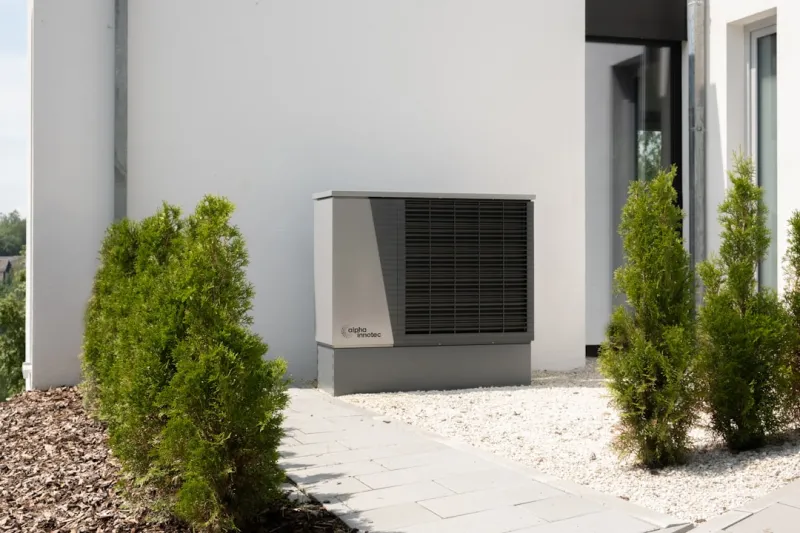
Why Sustainable HVAC Is No Longer a Niche
When I first started troubleshooting furnaces and split‑systems, the idea of a “green” heating and cooling system sounded like a marketing gimmick, but over the past decade the data has spoken loudly: households that adopt high‑efficiency, low‑emission HVAC units see up to 30% reductions in utility bills while simultaneously cutting their carbon footprints. Energy Star certification has become the baseline, not the exception, and modern variable‑speed compressors can modulate output in real time, matching indoor demand minute by minute without the wasteful on‑off cycling of older models. The result is a quieter home, steadier indoor temperatures, and a system that works harder for less – a perfect illustration of how technology and sustainability can converge. As a seasoned technician, I now spend more time recommending heat‑pump hybrids and smart thermostats than I do swapping out cracked heat exchangers, because the long‑term payoff for homeowners and the planet is undeniable.
Integrating Smart Controls for Maximum Efficiency
Smart thermostats are the command center of a truly sustainable HVAC ecosystem, allowing users to program schedules, detect occupancy, and even learn habits to fine‑tune heating and cooling cycles automatically. When paired with Wi‑Fi‑enabled vents and zone‑control dampers, the system can direct conditioned air only where it’s needed, eliminating the wasteful practice of heating or cooling empty rooms. The biggest surprise for many clients is how quickly these devices can translate minor adjustments – such as a 1‑degree set‑point change – into tangible dollar savings, especially when combined with utility demand‑response programs that reward reduced load during peak hours. In my work, I often install a smart home alarm system alongside HVAC upgrades, because integrating security and climate control on a single platform streamlines both management and energy reporting.
Fine‑Tuning With Seasonal Programming
One overlooked feature of many smart thermostats is seasonal programming, which lets homeowners set distinct heating and cooling strategies for winter, spring, summer, and fall without reconfiguring the device each time. By lowering the heating set‑point by just a couple of degrees during milder evenings or allowing the system to enter “eco‑mode” when the house is unoccupied, the HVAC unit runs less often, reducing wear and extending its lifespan. Moreover, some platforms provide real‑time alerts when filters need replacement or when a coil is frosting, preventing efficiency losses before they become costly problems. I find that educating clients on these nuances not only improves their comfort but also builds trust, as they see the system actively working to protect their investment.
Choosing the Right Equipment: A Balance of Performance and Longevity
The market is flooded with a bewildering array of HVAC options, from traditional furnace‑only setups to cutting‑edge geothermal loops, and selecting the right one requires a clear understanding of a home’s envelope, climate zone, and occupancy patterns. High‑efficiency furnaces with AFUE ratings above 95% are excellent for colder regions, while air‑source heat pumps have become remarkably effective even in sub‑zero temperatures thanks to inverter technology that maintains capacity at low outdoor temps. For homeowners who are truly committed to sustainability, I often recommend exploring eco‑smart roofing solutions that incorporate solar panels, because the electricity generated can directly power an electric heat‑pump system, creating a near‑zero‑emission heating loop that also offsets daytime cooling loads.
Beyond efficiency ratings, durability is a critical factor; components made from corrosion‑resistant alloys and reinforced compressor housings can endure harsh cycles and reduce the frequency of major service calls. I also stress the importance of proper sizing – an oversized unit will short‑cycle, wasting energy and shortening component life, while an undersized unit will run continuously, leading to higher wear and uncomfortable indoor conditions. Conducting a thorough Manual J load calculation before any installation is non‑negotiable, and it’s a step I never skip, because the precision it offers translates into measurable savings over the system’s entire lifespan.
Maintenance Strategies That Keep Your System Green
Even the most efficient HVAC unit will lose performance if neglected, so a proactive maintenance plan is essential for preserving the eco‑friendly benefits that were promised at purchase. Regular filter changes, coil cleaning, and refrigerant charge checks are the basics, but I also advocate for annual airflow assessments, duct leakage testing, and thermostat calibration. Sealing ductwork can reclaim up to 20% of lost conditioned air, a quick win that dramatically improves both comfort and energy use. In homes where the HVAC system is integrated with a smart home platform, I set up automated reminders that sync with the homeowner’s calendar, ensuring that maintenance tasks never slip through the cracks.
Another often‑overlooked area is the interaction between HVAC and other home systems. For example, proper insulation and window upgrades can dramatically reduce the load placed on heating and cooling equipment, meaning that the system can operate at lower capacities for longer periods. I frequently reference the Sustainable Home Restoration guide when advising clients on holistic upgrades, because a coordinated approach – improving envelope performance, upgrading to efficient fixtures, and installing a high‑performing HVAC unit – yields multiplicative energy savings that far exceed the sum of individual measures.
Future Trends: From Renewable Integration to Carbon‑Neutral Heating
The next frontier for sustainable heating and cooling lies in the seamless integration of renewable energy sources and emerging technologies such as thermal storage and hydrogen‑based boilers. As more homeowners adopt rooftop solar, the excess electricity generated during midday can be stored in home batteries or directed to run electric heat‑pump systems at night, effectively flattening the demand curve and reducing reliance on the grid’s fossil‑fuel mix. Meanwhile, advances in variable‑refrigerant flow (VRF) systems allow a single outdoor unit to simultaneously heat some zones and cool others, optimizing energy use across diverse indoor environments without the need for multiple separate units.
Looking ahead, I am particularly excited about the potential of carbon‑capture heat exchangers, which can extract waste heat from industrial processes or even from the exhaust of a natural‑gas furnace and repurpose it for residential heating, creating a closed‑loop system that turns what was once a pollutant into a valuable resource. While these technologies are still emerging, the industry’s trajectory is unmistakable: a move toward fully net‑zero homes where HVAC is not a cost center but an integral part of a resilient, sustainable ecosystem. For homeowners ready to future‑proof their comfort, now is the moment to partner with a contractor who embraces these innovations and can guide the transition with expertise and confidence.

Paul Gray is a dynamic blogger based in Brampton, where he shares his life with his amazing wife, Sarah. Known for his engaging writing style and relatable insights, Paul has carved out a niche in the blogging world that resonates with readers from all walks of life. When he's not crafting captivating posts, you can find him savoring a cold beer or indulging in the latest blockbuster movie. With a friendly demeanor and a passion for storytelling, Paul brings a unique perspective to his work, making him not just a blogger, but a voice for those who appreciate the simple joys of life.
Related Posts
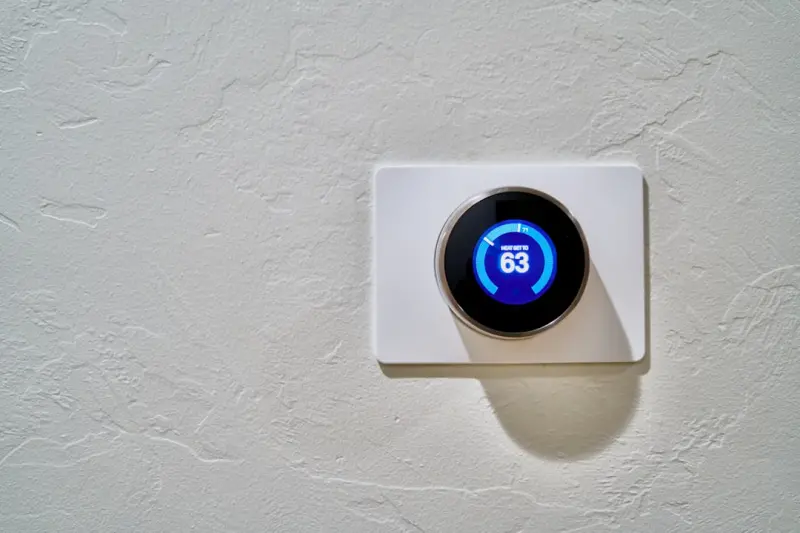
The Smart Thermostat Revolution: Turning Your HVAC into a Home Energy Coach
A deep dive into how predictive zoning, grid integration, and open standards are turning today’s s... Read More

Smart Multi‑Zone HVAC: Tailoring Comfort, Cutting Costs, and Future‑Proofing Your Home
Learn to design a smart, multi‑zone HVAC system that balances energy efficiency, indoor health, an... Read More

Reinventing Comfort: How AI, VRF, and Smart Envelopes Are Redefining HVAC
A deep dive into the latest HVAC innovations—AI‑powered controls, Variable Refrigerant Flow, and... Read More
Top Posts

Building a Sustainable Foundation: Strategies Every Contractor Should Know
Explore how smart soil assessment, low‑carbon concrete, and integrated insulation transform foundations into sustainable, long‑lasting building platforms....Read More

Designing for the Senses: A New Era of Experiential Interiors
A deep dive into sensory‑first interior design, blending biophilic principles, acoustic comfort, textile storytelling, and flexible layouts to create immersiv...Read More
Quiet Revolution: Acoustic-Focused Garage Construction
Discover why acoustic performance matters in garage builds and explore materials, design tactics, and budget-friendly upgrades to create a quiet, functional spa...Read More

The Hidden World of Carpet Cleaning: A Comprehensive Guide
Learn about the often-overlooked world of carpet cleaning and its critical role in maintaining indoor air quality and household hygiene....Read More
0 Comments
Post Comment
You will need to Login or Register to comment on this post!