
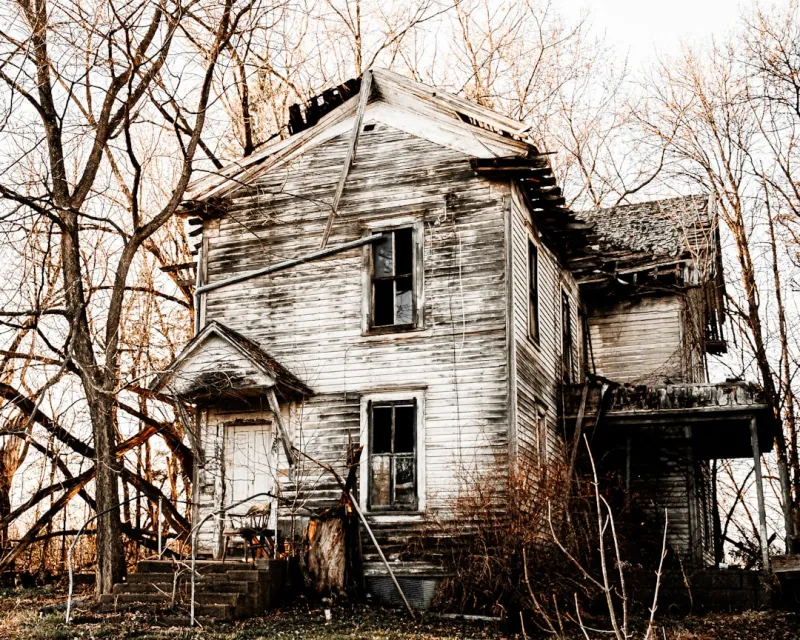
Why Sustainable Restoration Matters
When a house shows the first signs of wear—cracked plaster, sagging joists, or a drafty attic—I see more than a repair list; I see an opportunity to reshape the home’s carbon footprint while preserving its character. A thoughtful restoration reduces the demand for new materials, cuts waste, and often uncovers hidden efficiencies that modern construction overlooks, turning an old‑world charm into a future‑proof sanctuary. By embracing eco‑friendly practices from the outset, homeowners not only protect the environment but also boost resale value, lower utility bills, and create healthier indoor air for families.
Assessing the Existing Structure
Before any demolition or replacement, I conduct a forensic walk‑through, documenting every flaw, measuring load‑bearing walls, and checking moisture levels with infrared cameras that reveal hidden rot or insulation gaps. This diagnostic phase is crucial because it informs which elements can be salvaged—like reclaimed timber beams that add rustic appeal—and which require full replacement, ensuring that every intervention is purposeful and cost‑effective. I also involve a structural engineer early on, because a solid foundation is the canvas on which sustainable upgrades can truly flourish.
Choosing Eco‑Friendly Materials
Material selection is the heart of green restoration; I prioritize products that offer durability, low embodied energy, and a closed‑loop lifecycle. For flooring, reclaimed hardwood or rapidly renewable bamboo provide timeless aesthetics while keeping deforestation at bay, and I often pair them with low‑VOC sealants that safeguard indoor air quality. When tackling bathrooms, I turn to recycled‑glass tiles or reclaimed ceramic that not only look stunning but also divert waste from landfills; readers looking for detailed guidance can explore Mastering Sustainable Tiling for step‑by‑step insight. Window upgrades follow a similar philosophy—energy‑efficient frames crafted from sustainably sourced timber or recycled aluminum dramatically reduce heat loss, and the accompanying Modern Homeowner’s Guide to Sustainable Windows and Doors walks you through performance ratings and installation tricks.
Integrating Smart, Sustainable Systems
Modern restoration isn’t complete without intelligent systems that marry security, comfort, and energy stewardship. A smart home alarm system equipped with solar‑powered sensors can protect your space while eliminating the need for battery replacements, a topic I dive into further in Smart Home Alarm Systems: Security Meets Sustainability. Coupled with programmable thermostats, LED lighting networks, and occupancy‑based ventilation, these technologies learn usage patterns to fine‑tune heating and cooling, slashing energy waste by up to 30 %. Moreover, integrating a home energy monitor provides real‑time feedback, empowering owners to make informed decisions about appliance use and even identify hidden leaks or phantom loads.
Revitalizing the Interior: Paint, Finishes, and Air Quality
Interior finishes often hide a silent pollutant: volatile organic compounds (VOCs) that leach into the breathing space, aggravating allergies and asthma. I opt for zero‑VOC paints derived from plant‑based pigments, which deliver the same rich hues without compromising health, and pair them with natural linseed oil for woodwork, preserving the grain while resisting moisture. In kitchens, I recommend low‑temperature, induction cooktops that reduce heat waste and eliminate the need for vent hoods that constantly draw conditioned air outside. Finally, I install passive air‑exchange units equipped with HEPA filters, ensuring a constant flow of fresh air without the energy penalty of traditional HVAC systems.
Outdoor Enhancements that Echo Interior Values
The exterior envelope is as critical as the interior; a well‑insulated roof, reflective roofing materials, and rain‑garden landscaping together create a resilient, low‑maintenance envelope that works with nature rather than against it. Sustainable landscaping techniques—like planting native drought‑tolerant species, mulching with reclaimed wood chips, and installing permeable pavers—reduce irrigation needs and manage stormwater on site, a strategy elaborated in Transform Your Yard. Adding solar‑powered exterior lighting and a rainwater harvesting system further cuts utility costs while providing the home with a self‑sufficient edge that future‑proofs it against tightening water regulations.
Project Management: Timing, Budget, and Community
Successful sustainable restoration hinges on disciplined project management that balances timeline, budget, and community impact. I adopt a phased approach, tackling structural repairs first, then envelope upgrades, and finally interior finishes, allowing occupants to remain in the home for longer periods and reducing relocation costs. Transparent cost tracking, with a contingency earmarked for unexpected discoveries—like hidden asbestos or outdated wiring—prevents budget overruns. Engaging local suppliers and craftsmen not only supports the regional economy but also reduces transportation emissions, reinforcing the project’s overall sustainability ethos.
Measuring Success and Looking Ahead
Post‑completion, I conduct a comprehensive audit that measures energy savings, indoor air quality improvements, and waste diversion rates, translating these metrics into tangible financial returns for the homeowner. Long‑term monitoring, facilitated by smart meters and environmental sensors, ensures the home continues to perform as designed, and any deviations trigger timely maintenance before small issues become costly repairs. By documenting lessons learned and sharing case studies, I help cultivate a community of informed homeowners who view restoration not as a reactive fix but as a proactive investment in a healthier, greener future.

Craig Brett is a freelancer with a passion for the outdoors. His love for nature inspires his work, bringing authentic and engaging perspectives to projects related to outdoor activities, adventure, and environmental topics.
Related Posts

Breathing New Life into Aging Woodwork: A Craftsman's Roadmap
Learn how to assess, repair, and protect historic woodwork using modern tools and techniques, ensuri... Read More
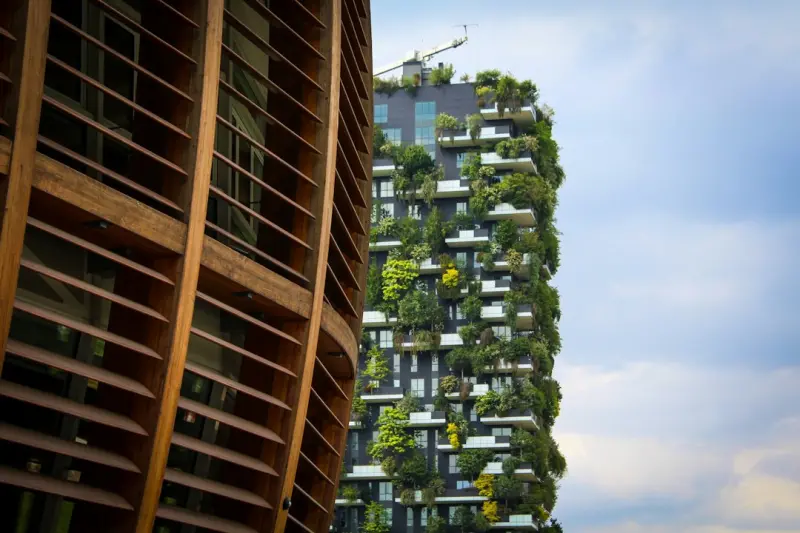
Facade Revival: Sustainable Strategies for Restoring Your Home’s Exterior
A comprehensive guide walks you through diagnosing, reinforcing, insulating, and finishing your home... Read More

Designing Home Restoration for Multigenerational Living
A fresh take on home restoration focuses on universal design, acoustic comfort, and future‑ready t... Read More
Top Posts

Rewilding the Front Yard: Turning Your Landscape into a Living Asset
A deep dive into rewilding residential yards—focus on soil health, layered planting, water management, and wildlife habitat—to create a low‑maintenance, h...Read More
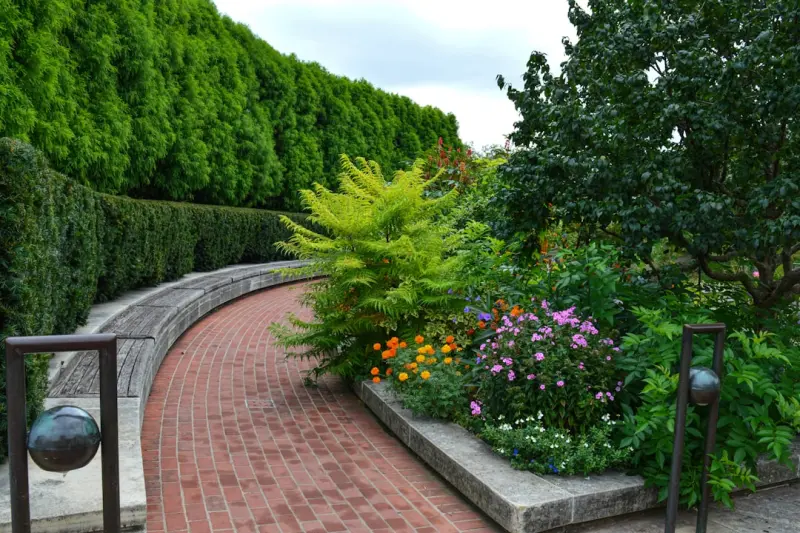
Regenerative Commercial Landscapes: Turning Pavement Into Living Assets
A deep dive into regenerative landscaping for commercial sites, revealing how modular drainage, precision water management, and functional plant diversity turn ...Read More
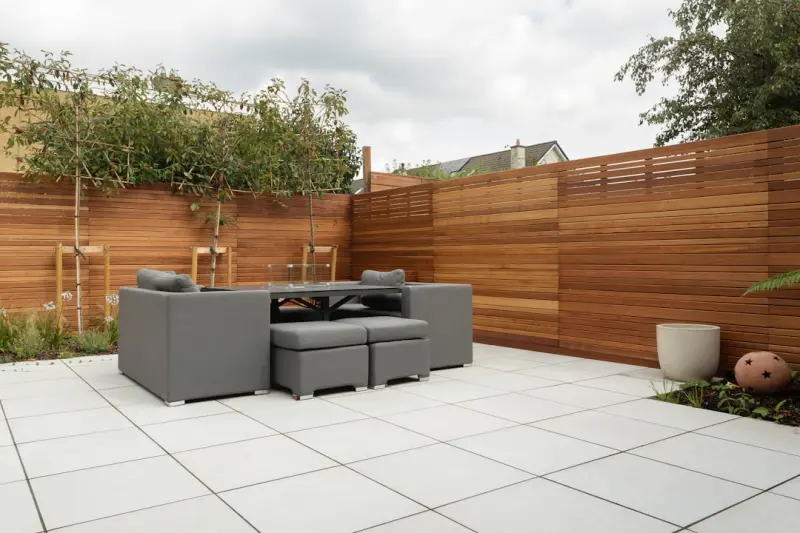
Shade and Style: Transforming Outdoor Spaces with Smart Awnings
Explore the art of selecting, installing, and maintaining smart awnings that blend style, sustainability, and technology for a year‑round outdoor haven....Read More
Reimagining Masonry: Smart, Sustainable, and Resilient
Discover how to combine age‑old brickcraft with modern sensors, breathable insulation, and AI-driven insights to create buildings that are both historic and f...Read More
0 Comments
Post Comment
You will need to Login or Register to comment on this post!