
The Role of Sustainable HVAC Systems in Reducing Carbon Footprint
As the world grapples with the challenges of climate change, reducing our carbon footprint has become an imperative. One significant way to achieve this is by adopting sustainable practices in our daily lives, including in our homes and workplaces. A critical area of focus is the heating, ventilation, and air conditioning (HVAC) systems, which play a substantial role in energy consumption. In this article, we will explore the role of sustainable HVAC systems in reducing our carbon footprint and discuss various strategies and technologies that can help achieve this goal.
Sustainable HVAC systems are designed to minimize energy consumption while maintaining indoor air quality and comfort. One approach to achieving sustainability in HVAC systems is by using energy-efficient equipment. This includes systems with high Seasonal Energy Efficiency Ratio (SEER) ratings, which measure the efficiency of air conditioning systems. By choosing energy-efficient equipment, homeowners and businesses can significantly reduce their energy consumption and lower their carbon footprint.
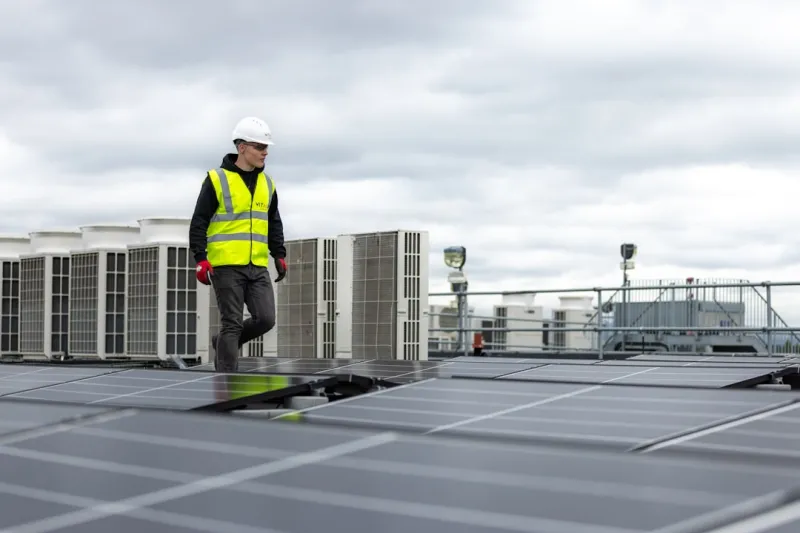
Another strategy for sustainable HVAC systems is to incorporate renewable energy sources. This can be achieved by integrating solar panels or wind turbines into the system, allowing it to generate its own energy and reduce reliance on fossil fuels. Additionally, sustainable windows and doors can also contribute to energy efficiency by minimizing heat loss and gain. By combining these strategies, HVAC systems can become a vital component in reducing our carbon footprint.
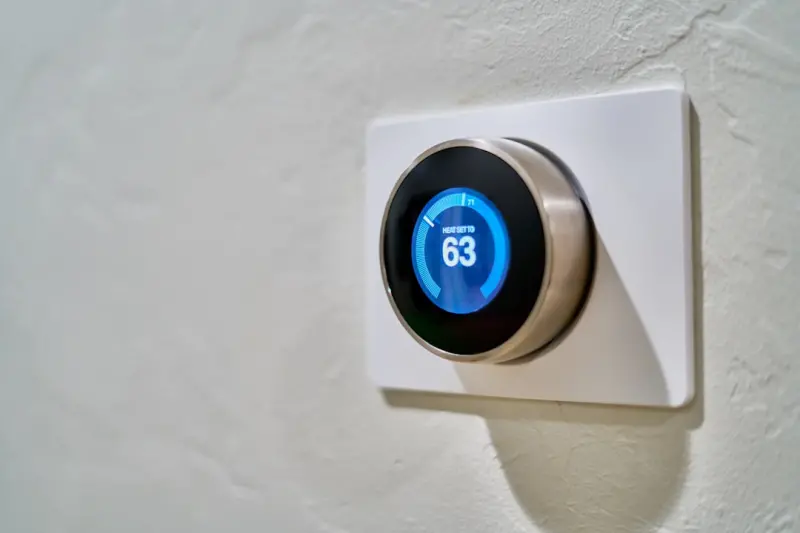
In addition to equipment and energy sources, sustainable HVAC systems also involve smart technologies that optimize energy consumption. Smart thermostats, for example, can learn a building's occupancy patterns and adjust the temperature accordingly, reducing energy waste. Building management systems (BMS) can also monitor and control HVAC systems, ensuring they operate efficiently and effectively.
The benefits of sustainable HVAC systems extend beyond energy efficiency. They also contribute to improved indoor air quality, which is essential for occupant health and well-being. By incorporating air filtration systems and ventilation strategies, sustainable HVAC systems can remove pollutants and allergens from the air, creating a healthier indoor environment.
Moreover, sustainable HVAC systems can also help reduce maintenance costs and extend equipment lifespan. By operating efficiently and effectively, these systems experience less wear and tear, reducing the need for repairs and replacements. This not only saves money but also reduces waste and minimizes the environmental impact of HVAC system maintenance.
To further reduce our carbon footprint, it's essential to consider the source of energy used to power HVAC systems. As mentioned earlier, incorporating renewable energy sources can significantly reduce reliance on fossil fuels. However, for those who rely on traditional energy sources, choosing a provider that offers renewable energy credits or carbon offsetting can help offset the environmental impact of energy consumption.
In conclusion, sustainable HVAC systems play a vital role in reducing our carbon footprint. By incorporating energy-efficient equipment, renewable energy sources, smart technologies, and sustainable design strategies, we can minimize energy consumption and promote a healthier indoor environment. As we move forward, it's essential to prioritize sustainability in HVAC system design and operation to create a greener future for generations to come.
As we explore the possibilities of sustainable HVAC systems, it's also important to consider the role of sustainable design build in creating environmentally friendly buildings. By integrating sustainable design principles into the building process, architects and builders can create structures that not only minimize energy consumption but also promote occupant health and well-being.
The future of HVAC systems is undoubtedly sustainable, and there are many strategies and technologies available to help achieve this goal. By prioritizing energy efficiency, renewable energy sources, and smart technologies, we can create a greener future for ourselves and future generations. As sustainable window treatments and other design elements become more prevalent, it's essential to consider the role of HVAC systems in creating a sustainable built environment.
The intersection of HVAC systems and sustainability is complex, but by exploring the possibilities of sustainable design and operation, we can create a greener future for all. As we move forward, it's essential to prioritize education and awareness about the importance of sustainable HVAC systems and their role in reducing our carbon footprint.
Finally, it's essential to recognize that sustainable HVAC systems are just one part of a larger effort to reduce our carbon footprint. By incorporating sustainable practices into all aspects of our lives, from energy-efficient appliances to eco-friendly transportation, we can create a more sustainable future for generations to come.

David MacKinnon is a dynamic freelance writer known for his captivating storytelling and keen insights into the world of technology. With a passion for exploring the intersection of innovation and everyday life, he crafts engaging narratives that not only inform but also inspire his readers.
Related Posts
Smart Zonal HVAC: Tailoring Comfort and Efficiency in Modern Buildings
Discover the benefits of smart zonal HVAC, from variable refrigerant flow and IoT sensors to AI-driv... Read More
Predictive HVAC: Turning Data into Comfort and Savings
Predictive HVAC leverages real‑time sensor data and AI analytics to forecast equipment failures, o... Read More
How Smart HVAC Choices Protect Your Health and Wallet
A fresh look at HVAC: learn why smart thermostats, zoning, and regular maintenance safeguard health,... Read More
Top Posts

Quiet Confidence: Rethinking Home Alarm Systems
Explore how modern home alarm systems are shifting from loud sirens to silent, AI‑driven guardians, integrating seamlessly with smart homes while delivering p...Read More

Why Carpet Care is the Backbone of Healthy, Efficient Buildings
A deep dive into the hidden benefits of carpet cleaning, revealing its role in enhancing indoor air quality, cutting energy costs, and promoting sustainable bui...Read More

Transforming Your Home with Sustainable and Innovative Additions
Explore the world of sustainable home additions and learn how to create a dream home that meets your needs and exceeds your expectations. From solar energy to s...Read More
Why Mold Removal Should Be a Core KPI for Facility Managers
Treat mold removal as a measurable performance indicator. Learn how integrating mold metrics into your KPI dashboard can cut costs, improve health outcomes, and...Read More
0 Comments
Post Comment
You will need to Login or Register to comment on this post!