

Why Alarm Sound Matters More Than You Think
When a siren blares in the middle of a quiet night, the brain’s fight‑or‑flight circuitry erupts, flooding the body with adrenaline and narrowing focus to the source of danger; this physiological cascade is exactly what a well‑chosen alarm tone should trigger, but only when the situation truly warrants it, otherwise the same sound can become a source of chronic stress for occupants. Homeowners often overlook the fact that alarm tones are not merely functional alerts but also auditory signatures that shape the emotional landscape of a house, influencing feelings of safety, anxiety, and even sleep quality for every family member from toddlers to seniors. By treating the alarm as a design element rather than an afterthought, you can create a protective soundscape that respects the home’s rhythm while still delivering the unmistakable cue that an intrusion is occurring.
The Science Behind Panic and Perception
Researchers in auditory neuroscience have demonstrated that low‑frequency, high‑amplitude sounds are processed by the amygdala more rapidly than higher‑pitched tones, which means a deep, resonant chime can cut through background noise and command immediate attention, whereas a shrill whistle may be dismissed as a false alarm or, worse, trigger a startle response that leads to confusion. Moreover, cultural conditioning plays a subtle yet powerful role; in many Western households, the classic “bell‑ring” is associated with doorbells and notifications, so repurposing that timbre for a security alarm can cause a momentary hesitation that undermines the intended urgency. Understanding these nuances allows you to select a tone that balances perceptual clarity with psychological comfort, ensuring that the alarm is heard, interpreted correctly, and acted upon without causing unnecessary alarm fatigue.
Designing a Calm Yet Effective Alert System
One strategy is to layer a brief, distinctive pre‑alert tone—such as a soft chime lasting two seconds—followed by a longer, more assertive siren only if the sensor confirms a breach, a concept explored in human‑centric alarm design, which reduces false‑positive panic while preserving rapid response capabilities. By incorporating a multi‑stage acoustic sequence, the system can first nudge occupants to investigate a potential issue, then escalate to a full‑volume alert if the threat persists, thereby respecting the home’s everyday ambiance and minimizing the risk of desensitization over time. Additionally, pairing the auditory cue with subtle visual feedback—like a soft pulsing LED near the entry point—creates a multimodal alert that reinforces the message without relying solely on sound, a technique that aligns with inclusive design principles for hearing‑impaired residents.
Integrating Community Watch Networks
Beyond the walls of a single property, alarm systems can become nodes in a broader neighborhood security mesh, where each alert is silently transmitted to nearby participants who receive a discreet vibration or text, allowing neighbors to verify an incident before emergency services are dispatched, a model that builds communal trust and reduces unnecessary police calls. Leveraging existing platforms such as Nextdoor or private homeowner associations, you can configure your alarm to broadcast a low‑key “check‑in” signal that only authorized members can decode, fostering a collaborative safety net that respects privacy while amplifying deterrence. This community‑driven approach transforms the alarm from a solitary sentinel into a shared guardian, turning the collective vigilance of a block into a proactive defense mechanism.
Smart Sensors Meet Acoustic Choice
Modern alarm panels now support dynamic sound profiles that adapt based on sensor data; for instance, a door sensor triggered at 2 a.m. might play a different tone than a motion detector activated at 3 p.m., reflecting the varying risk levels associated with time of day and entry point, a functionality reminiscent of the insights shared in thermal imaging technology for pinpointing vulnerabilities. By programming the system to emit a low‑volume, melodic alert during daytime hours—when false alarms from pets or children are more common—and a high‑intensity siren after dark, you reduce the likelihood of alarm fatigue while preserving the urgency needed for genuine threats. Coupling these adaptive tones with machine‑learning algorithms that learn your household’s routine further refines the balance between reassurance and alertness.
DIY Tuning: Personalizing Your Home’s Voice
Homeowners with a penchant for customization can experiment with open‑source audio libraries to upload bespoke alarm sounds that reflect personal taste, whether it’s a favorite musical motif, a recorded family greeting, or a subtle nature ambience that escalates into a sharp tone when danger is confirmed; the key is to maintain a clear distinction between everyday background music and the emergency alert to avoid confusion. Many smart hubs allow you to test the sound on a speaker in each room before finalizing the setting, ensuring that the volume and frequency are appropriate for the space’s acoustics, from high‑ceiling living rooms to carpeted bedrooms. By treating the alarm’s voice as a personal brand, you not only increase the likelihood that occupants will respond promptly, but you also imbue the system with a sense of ownership that discourages tampering.
Balancing Security with Accessibility
Accessibility considerations are paramount; for residents with hearing impairments, integrating tactile feedback—such as a vibrating floor mat or a flashing strobe light—provides an alternative pathway to awareness, while those with visual impairments benefit from low‑frequency vibrations or audible patterns that convey the severity of the event through rhythm rather than pitch alone. Selecting alarm tones that sit comfortably within the 500‑1500 Hz range ensures that the sound is audible to most adults without being piercing to seniors whose hearing may have shifted toward lower frequencies, a demographic fact that often slips past generic security guidelines. By conducting a brief accessibility audit of your alarm’s output, you guarantee that every member of the household receives an equitable warning, reinforcing the system’s overall effectiveness.
Future Trends: AI‑Curated Alarm Profiles
Artificial intelligence is poised to revolutionize alarm acoustics by analyzing weeks of household activity to craft personalized soundscapes that anticipate routine movements and automatically suppress alerts for benign events, such as a cat crossing the hallway at night, while heightening response for anomalous patterns like a window opening at an unusual hour; this predictive capability reduces the number of false alarms, preserving the credibility of the system over the long term. Future firmware updates may enable the alarm to synthesize entirely new tones in real time, blending harmonic elements that are both pleasant and attention‑grabbing, a concept that echoes the adaptive aesthetics seen in modern smart lighting. As AI becomes more entrenched in home security, the line between protective technology and intuitive living companion will blur, offering a seamless experience that feels both natural and vigilant.
Practical Checklist for Homeowners
Before finalizing your alarm’s voice, walk through this quick audit: (1) Test volume levels in each room at both low and high settings; (2) verify that the pre‑alert and full‑alert tones are distinct and not easily confused with household sounds; (3) ensure that visual or tactile alerts are synchronized with the audio cue; (4) confirm that community‑share settings respect privacy laws and have clear opt‑in mechanisms; (5) review accessibility features for hearing or visual impairments; and (6) schedule quarterly firmware updates to keep AI‑driven profiles current. By systematically checking each element, you transform a simple alarm into a finely tuned security orchestra that harmonizes safety, comfort, and inclusivity for every occupant.

David MacKinnon is a dynamic freelance writer known for his captivating storytelling and keen insights into the world of technology. With a passion for exploring the intersection of innovation and everyday life, he crafts engaging narratives that not only inform but also inspire his readers.
Related Posts
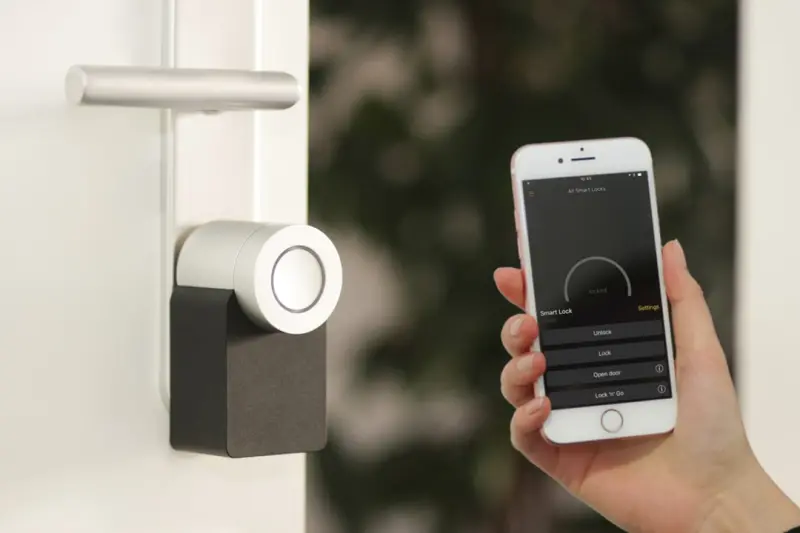
Quiet Confidence: Rethinking Home Alarm Systems
Explore how modern home alarm systems are shifting from loud sirens to silent, AI‑driven guardians... Read More

When Your Alarm Thinks Like You: The Next Evolution of Home Security
Home alarm systems are evolving from reactive devices into proactive, AI‑powered platforms that le... Read More
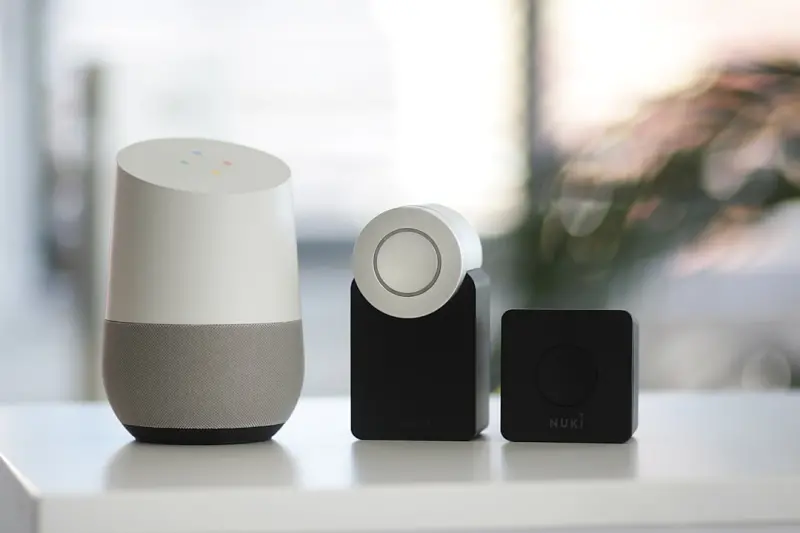
When Your Alarm Becomes a Home Assistant: Redefining Safety in the Connected Era
A deep dive into how edge AI, integrated smart devices, and community data sharing are transforming ... Read More
Top Posts

The Importance of Sustainable Snow Removal Practices
Adopt sustainable snow removal practices to minimize your environmental impact. Learn eco-friendly tips and techniques to make your snow removal process more su...Read More

Mold Removal Reinvented: IoT‑Driven Proactive Strategies
A data‑first approach to mold removal uses sensor networks, automated alerts, and envelope upgrades to detect moisture early, reduce remediation costs, and im...Read More

When Walls Whisper: Crafting a Narrative with Color and Texture
Discover the art of interior storytelling through thoughtful color palettes, layered textures, acoustic comfort, and sustainable materials, turning any room int...Read More

Self‑Healing Concrete: The Next Frontier in Resilient Infrastructure
A deep dive into groundbreaking concrete technologies—self‑healing mixes, carbon capture, 3D printing, and smart sensors—showcasing how they’re redefini...Read More
0 Comments
Post Comment
You will need to Login or Register to comment on this post!