
Why Thermal Imaging Is the Game‑Changer Every Home Inspector Needs
When I first stepped onto a job site with a handheld thermal camera, I felt like a detective with a new magnifying glass. The device instantly revealed temperature differentials that the naked eye could never catch. Those hidden gradients often point to insulation gaps, water intrusion, or electrical overheating. Seeing beyond the surface has become my most trusted method for delivering thorough inspections.
Understanding the Science: How Infrared Cameras Capture Hidden Heat
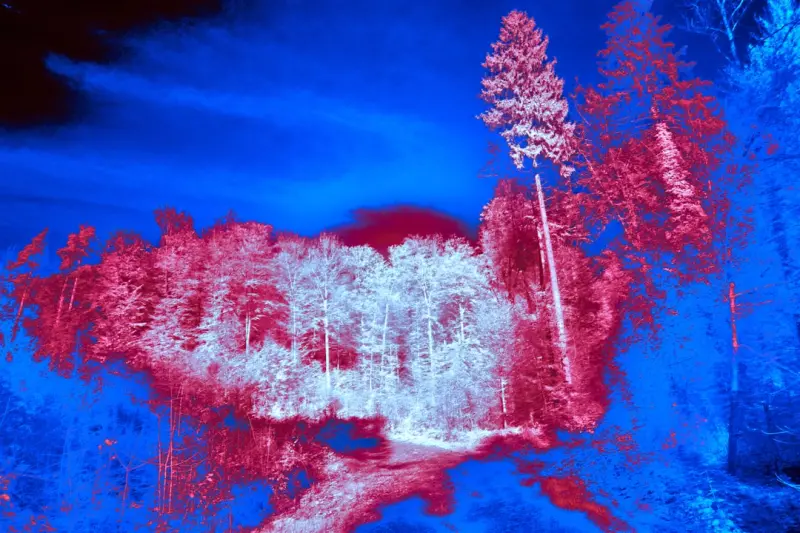
Thermal cameras detect infrared radiation, which every object above absolute zero emits. The sensor translates this radiation into a color‑coded image where warm spots glow red and cool areas appear blue. Because heat moves faster than moisture, you can spot a leaky pipe before a drop even forms. The technology is simple yet powerful, turning invisible energy into an easy‑to‑read map of a home’s health.
Common Hidden Issues Thermal Imaging Reveals
One of the most frequent findings is inadequate attic insulation, where warm air escapes and cold air infiltrates, creating a patchwork of hot and cold zones. Moisture problems show up as unusually cool spots on walls or ceilings, often preceding mold growth that the Hidden Playbook for Long‑Term Mold Prevention warns about. Electrical panels can overheat, producing a distinct hotspot that signals potential fire hazards. Even roof leaks betray themselves as temperature dips on the shingle surface, letting homeowners fix problems before a storm does damage.
A Real‑World Tale: Catching a Silent Leak Before It Becomes a Disaster
Last month I inspected a historic bungalow whose owners were concerned about rising humidity. My thermal scan showed a cold rectangle behind the kitchen backsplash—a clear sign of a concealed pipe leak. When we opened the wall, a small crack had allowed water to seep into the studs, already fostering early mold. The quick discovery saved the family thousands in repair costs and prevented the health risks highlighted in many mold‑prevention guides.
Combining Tools: Moisture Meters, Drones, and Infrared for a Full Picture
While thermal imaging pinpoints temperature anomalies, a moisture meter quantifies the actual water content in suspect areas. Pairing both tools gives an irrefutable diagnosis that’s hard to dispute. For multi‑story homes, I sometimes launch a lightweight drone equipped with a thermal sensor to scan rooftops and high walls without scaffolding. This combination creates a layered inspection approach, ensuring no corner is left unchecked.
Interpreting the Images: Avoiding False Positives and Misreadings
Not every red spot means a problem; sun‑exposed walls naturally warm up and appear hotter. Similarly, cold drafts from open windows can mimic moisture signatures. I always cross‑reference thermal data with physical checks, such as tapping walls or using a moisture probe. By correlating visual cues with on‑site measurements, I keep my reports accurate and trustworthy.
Communicating Findings: Turning Complex Data Into Clear Action Items
Clients often feel overwhelmed by technical jargon, so I translate thermal images into simple stories. A side‑by‑side “before and after” picture shows the exact location of an issue, making it easy for homeowners to understand and prioritize repairs. I also attach a short video walkthrough that highlights each hotspot, turning a static report into an interactive experience. This visual approach builds confidence and encourages proactive maintenance.
Cost‑Benefit Analysis: Why Investing in Thermal Imaging Pays Off
Adding a thermal camera to my toolkit cost a modest upfront fee, yet it has increased my inspection fees by up to 20% because clients value the extra insight. More importantly, early detection of problems like leaks or overheating reduces long‑term repair expenses for homeowners. The savings often exceed the inspection cost many times over, echoing the financial wisdom found in the Practical Guide to Home Electrical Upgrades for safety and future‑proofing.
Looking Ahead: AI‑Enhanced Thermal Imaging and the Future of Home Inspections
Emerging software can now analyze thermal footage in real time, flagging anomalies automatically and suggesting probable causes. When combined with machine learning, these tools will learn from thousands of inspections, refining accuracy and reducing human error. I’m already testing an AI plug‑in that highlights potential mold‑prone zones before I even step inside a room. The future promises faster, smarter, and more reliable inspections, and I’m excited to bring those advances to every homeowner I serve.

Tom Ferguson is a Canadian freelance writer with a passion for storytelling, current events, and thoughtful commentary. Drawing on years of writing experience, he shares engaging insights on a wide range of topics, bringing a uniquely Canadian perspective to his work.
Related Posts
Why Modern Home Inspections Are Becoming Strategic Advisory Services
Home inspections have shifted from simple checklists to strategic consultations. This post explains ... Read More
Seeing Beyond the Surface: A Home Inspector’s Guide to Insightful, Human‑Centric Reports
A home inspection isn’t just a checklist; it’s a narrative. Rose DesRochers shares how blending ... Read More
The Home Inspection Revolution: From Reactive Walk‑Throughs to Predictive Audits
In this deep dive, Rose DesRochers reveals how modern home inspections combine AI, moisture sensors,... Read More
Top Posts

Adaptive Reuse: Unlocking Hidden Value in Commercial Renovations
Adaptive reuse transforms old factories and warehouses into modern, profitable workspaces. Learn data‑driven strategies, sustainability tactics, and human‑c...Read More
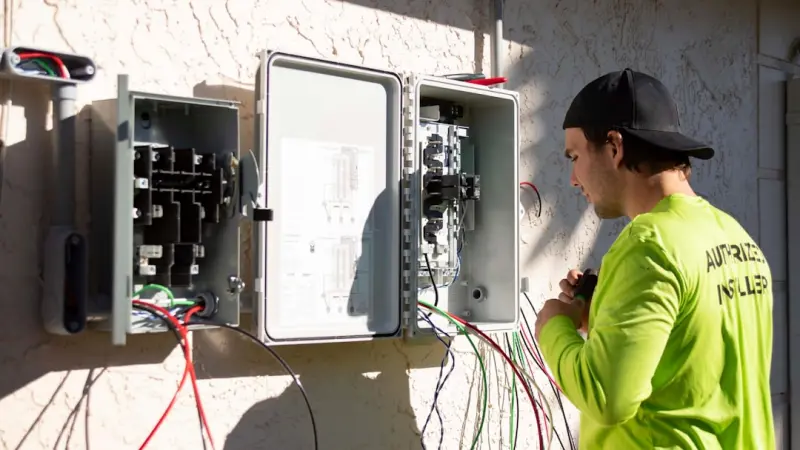
Modular Electrical Distribution: Building Agile Power for Modern Workplaces
A deep dive into modular electrical distribution, exploring its components, benefits, real‑world applications, and future trends that empower agile, data‑dr...Read More
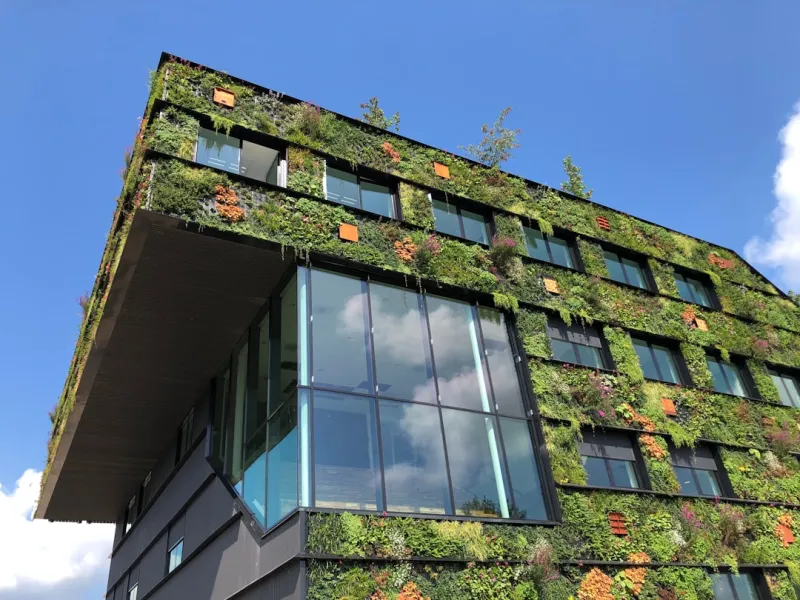
The Sustainable Garage Revolution: Building Green, Living Smart
Explore Craig Brett’s sustainable garage construction guide, covering site assessment, green materials, renewable energy integration, and smart design for mod...Read More

Reviving Workspaces: Sustainable Strategies for Modern Commercial Renovations
A seasoned renovator shares proven, sustainable methods to transform commercial spaces—balancing design, energy savings, and long‑term value for businesses ...Read More
0 Comments
Post Comment
You will need to Login or Register to comment on this post!