

Why Floor Heating Is the Quiet Powerhouse of Modern Workspaces
When I first walked into a renovated office that felt like a warm‑baked loaf of bread, I realized that floor heating isn’t just a luxury—it’s a strategic asset. In a world where every square foot of commercial real‑estate is measured for ROI, the subtle comfort of radiant warmth can translate into tangible performance gains. Below, I’ll walk you through the hidden economics, the technology stack that makes it possible, and how you can turn a simple heating layer into a data‑rich, sustainability‑driven differentiator.
The Economics of Warm Feet
Traditional forced‑air systems dominate HVAC budgets, but they also come with hidden costs: ductwork maintenance, uneven temperature zones, and the dreaded “cold spots” that make employees pull their jackets on a sunny afternoon. Floor heating, by contrast, delivers uniform thermal distribution directly where people stand, sit, and move.
- Energy Efficiency: Because radiant heat works at lower water temperatures (typically 35‑45 °C vs. 55‑65 °C for radiators), the system can run on lower‑grade heat sources—think waste‑heat recovery or low‑temperature geothermal loops.
- Reduced HVAC Load: By pre‑conditioning the space from the ground up, you can downsize the air‑handling unit, shaving 10‑20 % off your peak electricity demand.
- Maintenance Savings: No moving fans, no filters, and a dramatically lower risk of airborne dust that can degrade indoor‑air‑quality sensors.
These savings aren’t just theoretical. A recent case study showed a mid‑size tech campus cut its annual energy spend by $120,000 after retrofitting 40 % of its floor area with hydronic radiant panels. When you factor in the increased occupant satisfaction scores—often correlated with higher productivity—the payback period can be under three years.
Data‑Driven Comfort: Turning Warmth into Insight
What makes floor heating truly modern is its ability to feed data back into building‑management platforms. Imagine each heating circuit reporting temperature, flow, and energy consumption in real time. This is where continuous energy inspection becomes more than a buzzword; it becomes the lens through which you spot inefficiencies before they become bills.
By integrating radiant heating sensors with a BIM‑enabled dashboard, facilities managers can:
- Identify under‑used zones that are still heating at full capacity.
- Correlate occupancy patterns with temperature set‑points, enabling predictive adjustments.
- Benchmark each floor’s energy intensity against industry standards, turning the floor itself into a KPI.
The result is a virtuous cycle: data informs control, control improves comfort, comfort drives occupancy, and occupancy justifies further investment in smart infrastructure.
Marrying Radiant Heat with Renewable Sources
Floor heating’s low‑temperature operation makes it an ideal partner for renewable heat sources. Whether you’re tapping into a solar‑thermal collector field or a district‑level waste‑heat loop, the system can ingest that heat without the need for expensive temperature‑boosting equipment.
Consider the synergy with solar energy. A commercial building with a modest rooftop array can store excess heat in a thermal buffer and release it through the radiant floor network during peak occupancy. This reduces reliance on the grid, lowers demand charges, and positions the property as a carbon‑neutral beacon for tenants.
Design Considerations: From Blueprint to Execution
Implementing floor heating isn’t a plug‑and‑play affair. It requires coordination across architecture, MEP, and controls engineering. Below are the key design checkpoints you should embed in your project timeline:
- Substrate Compatibility: Concrete slabs, timber decks, and raised access floors each demand different pipe spacing and insulation strategies.
- Pipe Layout Optimization: Use Manhattan or spiral patterns to balance heat output and material cost. Simulation tools can predict temperature gradients before the first pipe is laid.
- Control Zoning: Segment the floor into logical zones (e.g., conference rooms, open workspaces, private offices) to enable independent set‑points.
- Integration with Existing BMS: Ensure that the heating circuits expose Modbus or BACnet points, allowing seamless incorporation into your centralized dashboard.
Skipping any of these steps can lead to hot spots, over‑heating, or, worse, a system that fails to meet the promised energy savings.
Case Study: From Cold Corridor to Collaborative Hub
A regional law firm renovated a 12,000 sq ft office housed in a historic building. The original HVAC system left the main corridor perpetually chilly, discouraging impromptu collaboration. The firm opted for a hydronic radiant floor system, paired with a digital twin of the heating network.
Key outcomes:
- Temperature variance across the corridor dropped from 5 °C to under 0.8 °C.
- Energy consumption for space heating fell by 18 % in the first year.
- Employee satisfaction surveys reflected a 12 % increase in “comfort” scores, directly linked to higher utilization of communal areas.
The digital twin allowed the contractor to simulate different pipe spacings, catch a potential clash with the building’s underfloor cabling, and adjust the design on the fly—saving weeks of rework.
Future‑Proofing with IoT and AI
What’s next for floor heating? The convergence of IoT sensors, edge computing, and AI‑driven predictive controls. Here’s a glimpse of a next‑gen system:
- Smart Sensors: Low‑cost temperature and flow meters embedded at each zone transmit data every 30 seconds.
- Edge Analytics: Local gateways run anomaly detection algorithms, flagging leaks or pump failures before they cause damage.
- AI Scheduling: Machine‑learning models analyze historical occupancy, weather forecasts, and utility rate structures to pre‑heat or pre‑cool spaces at the lowest cost.
By treating the floor as a living data layer, you create an ecosystem where comfort, cost, and carbon are all optimized in concert.
Implementation Checklist for Facility Leaders
To help you translate theory into action, here’s a concise checklist you can hand to your project team:
- ✅ Conduct a thermal loss analysis of each zone.
- ✅ Choose between water‑based or electric radiant systems based on existing plant capacity.
- ✅ Map out pipe spacing and insulation thickness according to substrate.
- ✅ Define control zones and assign set‑points aligned with space function.
- ✅ Ensure all sensors and actuators are BACnet/Modbus compatible.
- ✅ Integrate data streams into your BMS for continuous monitoring.
- ✅ Establish a baseline energy report to measure ROI.
- ✅ Schedule quarterly performance audits using continuous energy inspection tools.
Follow this roadmap, and you’ll not only warm your floors—you’ll warm up your bottom line.
Conclusion: Warm Floors, Warm Futures
Floor heating has long been the quiet sibling of radiant ceiling panels and wall‑mounted radiators. Yet, when you view it through the lens of data, sustainability, and employee experience, it emerges as a strategic lever. By marrying low‑temperature heat sources, smart controls, and a robust data pipeline, you can transform a simple comfort feature into a cornerstone of your building’s performance strategy. The next time you step onto a warm surface, remember: you’re walking on a platform of insight, efficiency, and future‑ready design.

David MacKinnon is a dynamic freelance writer known for his captivating storytelling and keen insights into the world of technology. With a passion for exploring the intersection of innovation and everyday life, he crafts engaging narratives that not only inform but also inspire his readers.
Related Posts

Warmth Underfoot: Why Floor Heating is a Game-Changer for Home Comfort
Floor heating is a game-changer for home comfort, providing energy efficiency, even heat distributio... Read More

Why Intelligent Floor Heating Is the Unsung Hero of Modern Workspaces
A deep dive into how intelligent, sensor‑rich floor heating transforms comfort into measurable ROI... Read More

Radiant Floor Heating: The Next Competitive Edge for Modern Workspaces
Radiant floor heating delivers consistent, draft‑free warmth that enhances employee focus, improve... Read More
Top Posts

Beyond the Brush: Using Color Science to Transform Your Home
Learn to use the science of color to select paint hues that enhance mood, productivity, and wellbeing, while integrating sustainable options and smart testing m...Read More
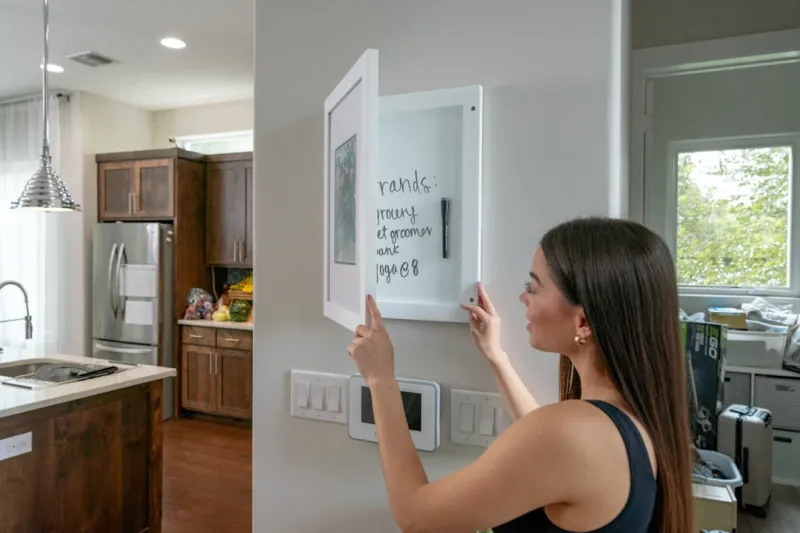
Smart Home Hacks: Simple Tips for a Greener Household
Explore easy, smart upgrades—from lighting and insulation to sustainable decks—that transform any home into an energy‑efficient, greener haven. Simple ste...Read More
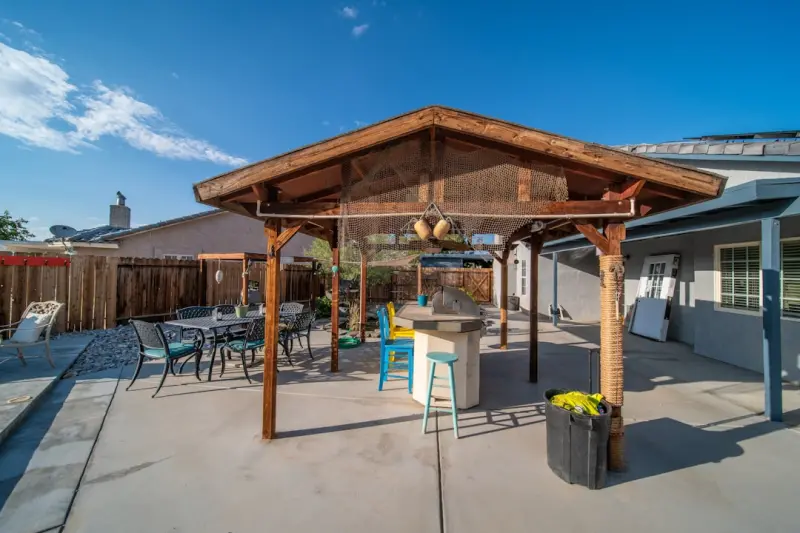
Backyard Retreats: Turning Sheds and Gazebos into Personal Sanctuaries
A guide to reimagining sheds and gazebos as flexible, sustainable retreats—covering purpose, materials, design tricks, tech integration, and community buildin...Read More

When Wallpaper Meets Technology: Interactive, Air‑Purifying, and Smart Solutions
Discover the rise of tech‑infused wallpaper—digital skins, bio‑active layers, and sensor‑embedded surfaces—that enhance health, aesthetics, and smartâ...Read More
0 Comments
Post Comment
You will need to Login or Register to comment on this post!