

Reimagining Home Comfort with AI‑Driven HVAC Zoning
Imagine a home that intuitively knows when the living room needs a gentle breeze while the bedroom craves a cozy warmth, all without you lifting a finger; that is the promise of AI‑powered zoning for heating and air conditioning. Traditional systems treat a house as a single, monolithic volume, forcing you to compromise comfort for efficiency or vice‑versa, and the result is often a perpetual battle with thermostats and uneven temperatures. By deploying machine‑learning algorithms that analyze occupancy patterns, weather forecasts, and real‑time sensor data, modern HVAC units can dynamically allocate heating or cooling power to the exact spaces that need it, delivering a personalized climate experience that feels both luxurious and responsibly efficient.
Why Conventional HVAC Struggles in Today’s Homes
Older, single‑stage furnaces and central air conditioners were engineered for an era when homes were smaller, insulation standards were lower, and energy costs were less of a daily concern, leading to a one‑size‑fits‑all approach that wastes billions of kilowatt‑hours each year. In a typical household, rooms receive disparate amounts of sunlight, have varying ceiling heights, and host different activities, yet the thermostat sits in a single location, blind to these nuances, causing hot spots in a sun‑baked kitchen and chilly drafts in a shaded office. Moreover, the lack of real‑time feedback means the system often runs at full capacity even when only a fraction of the home is occupied, inflating utility bills and contributing unnecessarily to carbon emissions—a problem that grows more pressing as climate‑related regulations tighten worldwide.
The Core of AI‑Powered Zoning: Intelligent Controllers
At the heart of this transformation lies an intelligent controller that functions like a conductor, synchronizing a network of motorized dampers, variable‑speed fans, and smart thermostats to distribute conditioned air precisely where it’s needed; these controllers employ deep‑learning models that continuously refine themselves based on patterns detected from dozens of data points per minute. When the system recognizes that the family has gathered in the family room for movie night, it can close dampers to unoccupied bedrooms, boost airflow to the occupied space, and subtly adjust temperature setpoints to maintain comfort without overshooting. The result is a seamless, self‑optimizing loop where the HVAC system learns the household’s rhythm—rising in the morning, slowing during work‑from‑home hours, and adapting to weekend gatherings—while the homeowner simply enjoys the perfect climate.
Sensors, Data Streams, and the Internet of Things
Deploying AI‑driven zoning requires a robust sensor ecosystem: temperature probes, humidity meters, occupancy detectors, and even CO₂ sensors work together to paint a granular picture of indoor conditions; these devices feed data to the controller over a secure, low‑latency Wi‑Fi or Thread network, ensuring decisions are made in near real‑time. Advanced models also ingest external data such as local weather forecasts, utility demand‑response signals, and solar radiation levels, allowing the system to pre‑condition spaces ahead of a heat wave or capitalize on off‑peak electricity rates. The Internet of Things (IoT) backbone not only supports the flow of information but also enables homeowners to monitor performance via mobile dashboards, receive proactive alerts, and even override settings when a spontaneous indoor party calls for an unexpected temperature tweak.
Quantifiable Energy Savings and Environmental Impact
Studies across multiple climate zones indicate that AI‑optimized zoning can slash heating and cooling energy consumption by 20 % to 35 %, translating to annual savings that often exceed the initial investment within three to five years; these figures are not theoretical—real‑world deployments have demonstrated consistent reductions in peak demand, which eases strain on the grid during extreme weather events. Beyond the wallet, the lower energy draw directly curtails greenhouse‑gas emissions, aligning residential comfort with broader sustainability goals and helping homeowners earn green‑building certifications or utility rebates. When combined with high‑efficiency heat pumps and smart thermostats, the cumulative effect can be a home that feels as comfortable as a five‑star hotel while leaving a dramatically smaller carbon footprint.
Seamless Integration with Existing Smart Home Platforms
One of the biggest hurdles for homeowners considering an upgrade is compatibility, but today’s AI‑driven HVAC hubs are designed to speak the same language as popular ecosystems like Apple HomeKit, Google Assistant, and Amazon Alexa, enabling voice control, routine automations, and cross‑device coordination; for instance, a “Good Night” routine can simultaneously lower the thermostat, dim smart lights, and lock doors with a single command. Moreover, the open‑API architecture allows third‑party developers to craft custom integrations—imagine a scenario where a smart oven signals the system to pre‑cool the kitchen before baking, or a home security system triggers a brief temperature boost when a door is forced open. This level of interoperability ensures that the HVAC upgrade becomes a cohesive part of a broader digital home strategy rather than an isolated gadget.
Retrofit Strategies: Bringing AI Zoning to Existing Homes
While new construction offers the cleanest canvas for installing ductless mini‑splits or fully zoned air handlers, most homeowners will be retrofitting an existing HVAC backbone, and that process can be surprisingly straightforward thanks to modular damper kits and plug‑and‑play controllers that attach to standard ductwork without major demolition; a qualified technician can often complete the installation in a single day, routing power and data cables alongside existing conduit. For homes with older, oversized furnaces, pairing the AI controller with a variable‑speed blower can unlock efficiencies without replacing the core heating unit, extending its lifespan while delivering modern performance. Additionally, the installation process presents an opportunity to address common airflow issues—leaky ducts, poor insulation, and inadequate return pathways—so the system not only becomes smarter but also fundamentally healthier.
Predictive Maintenance and the Role of seasonal HVAC maintenance tips
Beyond day‑to‑day comfort, AI‑powered zoning systems excel at forecasting component wear by continuously monitoring motor currents, pressure differentials, and filter cleanliness, alerting homeowners to potential failures before they manifest as costly breakdowns; this predictive maintenance paradigm shifts the relationship from reactive repairs to proactive stewardship, reducing emergency service calls and extending equipment lifespan. The system can automatically schedule service appointments with vetted technicians, provide detailed diagnostic logs, and even order replacement parts based on usage trends. By integrating these insights with a homeowner’s maintenance calendar, the HVAC system becomes a silent partner in preserving property value and ensuring that comfort never takes a back seat.
Looking Ahead: Empowered Homeowners and a Smarter Grid
As utility companies roll out dynamic pricing and demand‑response programs, AI‑driven HVAC zoning positions homeowners to become active participants in grid stability, automatically shifting load to off‑peak periods or responding to utility signals without sacrificing indoor comfort; this collaborative approach not only reduces electricity costs but also supports broader renewable energy integration, smoothing out the intermittency of solar and wind sources. The next wave of innovation will likely see deeper integration with battery storage, enabling homes to pre‑cool or pre‑heat using stored energy during low‑cost windows. In this evolving landscape, the homeowner gains unprecedented control, turning a once‑passive appliance into an intelligent asset that balances comfort, cost, and environmental responsibility—all while quietly learning and adapting to the unique rhythm of daily life.

Tom Ferguson is a Canadian freelance writer with a passion for storytelling, current events, and thoughtful commentary. Drawing on years of writing experience, he shares engaging insights on a wide range of topics, bringing a uniquely Canadian perspective to his work.
Related Posts
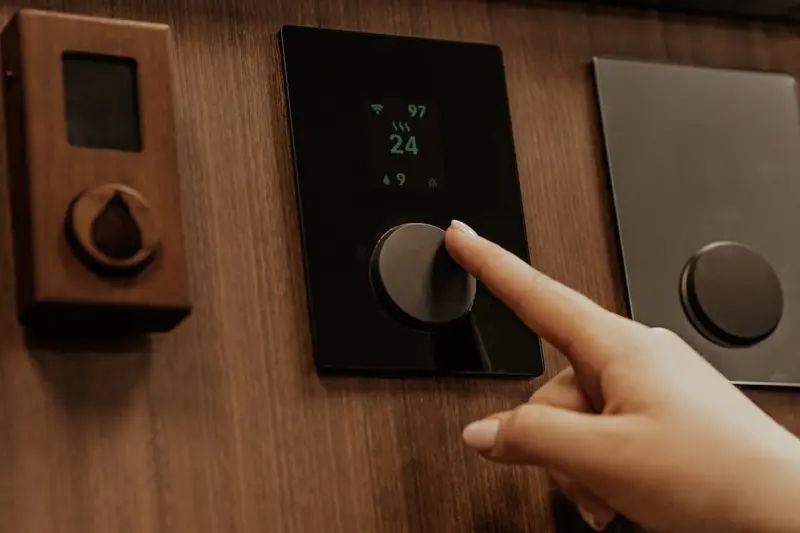
Predictive HVAC: Turning Climate Control into a Competitive Advantage
Predictive HVAC shifts climate control from reactive fixes to data‑driven optimization, delivering... Read More
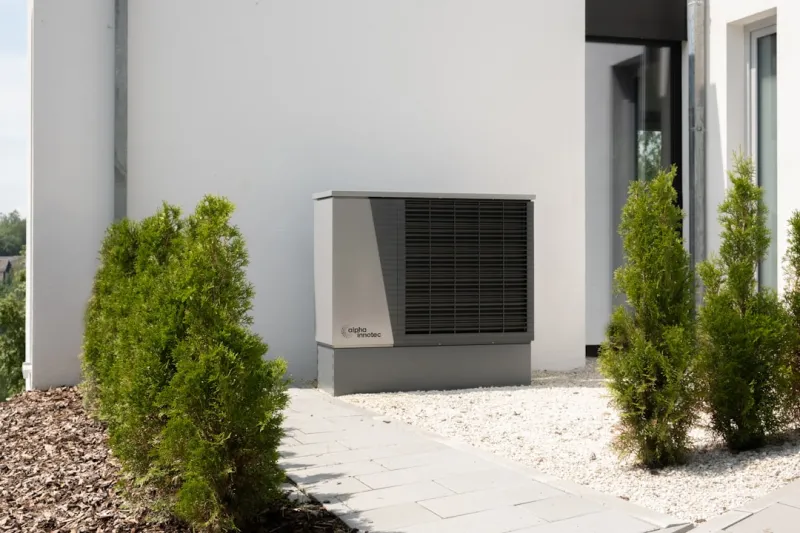
The Smart Path to Sustainable Heating and Cooling
Explore the latest sustainable HVAC trends, from smart thermostats to renewable integration, and lea... Read More
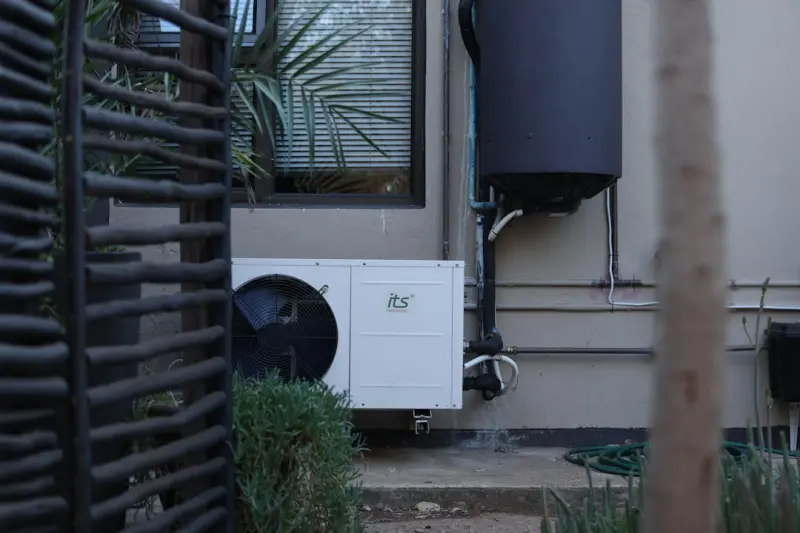
Edge AI: Redefining Residential HVAC Comfort
Edge AI brings instant, privacy‑first decision making to home HVAC, enabling predictive maintenanc... Read More
Top Posts

The Future of Paving: How Sustainable Solutions Are Revolutionizing the Industry
The paving industry is undergoing a significant transformation, with sustainable solutions becoming increasingly popular. Learn about the benefits of eco-friend...Read More

Raw Beauty: How Exposed Concrete Is Redefining Modern Interiors
A deep dive into the growing popularity of exposed concrete, highlighting its sensory appeal, energy‑saving thermal mass, acoustic advantages, and future tech...Read More

The Sustainable Revolution in Countertop Design: A Comprehensive Guide
Explore the intersection of sustainability and countertop design, highlighting eco-friendly materials, benefits, challenges, and opportunities in this rapidly e...Read More
Rethinking Carpet Care: Less Is More
Learn why aggressive carpet cleaning can damage fibers and how low‑moisture extraction, smart tools, and sustainable practices keep your rugs looking fresh lo...Read More
0 Comments
Post Comment
You will need to Login or Register to comment on this post!