

The Sustainable Awning Revolution: A Game-Changer for Homeowners
The Sustainable Awning Revolution: A Game-Changer for Homeowners
A 30-50 word summary: Sustainable awnings offer eco-friendly solutions for homeowners, reducing energy consumption and improving air quality while increasing property value.
The Rise of Sustainable Awnings
As homeowners become increasingly environmentally conscious, the demand for sustainable solutions has grown. One often-overlooked aspect of home design is the awning. Awnings have been a staple of home architecture for centuries, providing shade, protection from the elements, and a touch of style to outdoor living spaces. However, traditional awnings have significant environmental drawbacks. The sustainable awning revolution is changing the way we think about these exterior features.
Eco-Friendly Materials and Designs
Sustainable awnings are made from eco-friendly materials, such as recycled plastic, reclaimed wood, and low-maintenance fabrics. These materials reduce waste, minimize environmental impact, and provide a durable, long-lasting solution. Additionally, sustainable awnings often feature energy-efficient designs, such as solar-powered retractors and insulated panels, which reduce energy consumption and minimize heat gain.
Benefits of Sustainable Awnings
The benefits of sustainable awnings are numerous. One of the most significant advantages is reduced energy consumption. By providing shade and insulation, sustainable awnings can decrease the need for air conditioning, reducing energy bills and minimizing carbon emissions. Awnings also improve air quality by reducing the amount of direct sunlight that enters the home, which can help mitigate the effects of urban heat islands. Furthermore, sustainable awnings can increase property value by providing a unique and attractive outdoor living space.
Types of Sustainable Awnings
There are several types of sustainable awnings available, each with its own unique benefits and features. Some popular options include:
- Fixed awnings: Permanent structures that provide continuous shade and protection
- Retractable awnings: Motorized or manual systems that can be extended or retracted as needed
- Portable awnings: Freestanding or collapsible structures that offer flexibility and convenience
- Green awnings: Living walls or roofs that provide insulation and reduce urban heat islands
Installation and Maintenance
Installing a sustainable awning requires careful planning and execution. Homeowners should consider factors such as orientation, sizing, and material selection to ensure optimal performance. Regular maintenance is also essential to extend the lifespan of the awning and maintain its eco-friendly benefits. This includes cleaning, inspections, and repairing any damaged components. Homeowners can also explore sustainable appliance repair options to minimize waste and reduce environmental impact.
Cost-Effectiveness and ROI
While sustainable awnings may have a higher upfront cost, they offer a significant return on investment (ROI). By reducing energy consumption and increasing property value, homeowners can recoup their investment over time. Additionally, sustainable awnings can reduce maintenance costs by protecting windows, doors, and exterior finishes from the elements. According to a study on sustainable construction permits, eco-friendly features like sustainable awnings can increase property value and attract eco-conscious buyers.
The Future of Sustainable Awnings
As the demand for sustainable solutions continues to grow, the future of awnings looks bright. Advances in technology and materials are driving innovation in the industry, enabling the development of more efficient, more durable, and more eco-friendly awnings. Homeowners can expect to see a wider range of sustainable awning options, including integrated solar panels, energy-harvesting materials, and smart awning systems that optimize energy efficiency and performance. For more information on sustainable design trends, visit The Future of Home Design.
Conclusion
The sustainable awning revolution is transforming the way we think about exterior design and functionality. By embracing eco-friendly materials, designs, and technologies, homeowners can reduce their environmental impact, improve their quality of life, and increase their property value. Whether you're looking to upgrade your existing awning or install a new one, consider the benefits of sustainable awnings and join the revolution towards a more eco-friendly future. For inspiration on sustainable outdoor living spaces, explore Weathering the Storm.

Craig Brett is a freelancer with a passion for the outdoors. His love for nature inspires his work, bringing authentic and engaging perspectives to projects related to outdoor activities, adventure, and environmental topics.
Related Posts
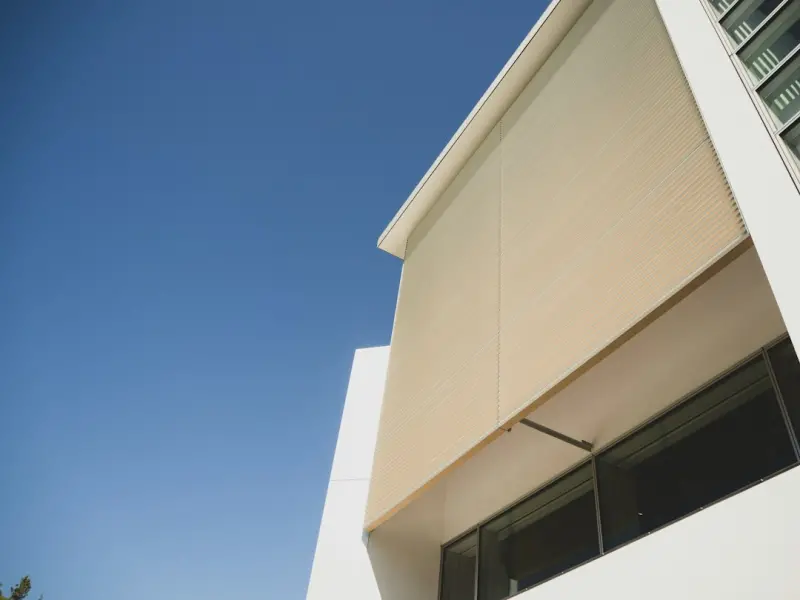
Awnings as Climate‑Smart Facade Assets: Shade, Energy, and Brand in One Package
A fresh look at awnings shows they’re more than shade—they’re climate‑smart facade assets th... Read More

Smart Awnings: How Intelligent Shade is Redefining Outdoor Living
Explore the rise of smart awnings—IoT‑enabled, solar‑powered shade solutions that transform ou... Read More

The Sustainable Awning Revolution: A Game-Changer for Eco-Friendly Homes
The sustainable awning revolution is a game-changer for eco-friendly homes. Learn about the environm... Read More
Top Posts
Digital Twin Energy Inspections: Real‑Time Building Insight
A digital twin turns static energy inspections into a live, data‑driven dialogue, enabling real‑time optimization, ESG reporting, and tenant comfort—all w...Read More

Weather‑Smart Home Envelopes: Proven Strategies for Year‑Round Protection
A comprehensive guide to weather‑proofing your home, covering air tightness, water management, thermal continuity, and moisture control, with actionable steps...Read More

Maximizing Space and Functionality: A Comprehensive Guide to Commercial Renovations
Commercial renovations can transform your workspace, drive business growth, and stay competitive. Learn how to plan, design, and execute a successful commercial...Read More
Securing Your Sanctuary: How Home Alarm Systems Fit into Sustainable Living
Explore the intersection of home alarm systems and sustainable living. Learn how modern security solutions can enhance home safety while promoting eco-friendly ...Read More
0 Comments
Post Comment
You will need to Login or Register to comment on this post!