

Smart Awnings: Turning Outdoor Shade into Intelligent Infrastructure
Imagine an awning that not only shields you from the midday blaze but also talks to your thermostat, senses wind patterns, and harvests solar energy while you sip coffee on the porch; that’s the reality emerging from the convergence of IoT, renewable tech, and design foresight. Integrated sensors read temperature, humidity, and UV intensity, feeding data to a cloud‑based platform that auto‑adjusts extension length and angle, ensuring optimal shade without manual fiddling. This seamless blend of comfort and automation is redefining how homeowners think about outdoor living, moving the awning from a static canopy to a dynamic, energy‑conscious companion.
Solar‑Powered Fabric: Harvesting Light While Providing Shade
Modern awning membranes are now woven with flexible photovoltaic fibers that capture sunlight during the day, converting it into usable electricity that can power exterior lighting, garden fountains, or even feed back into the home’s grid. By pairing these fabrics with high‑efficiency, low‑profile inverter modules hidden within the support brackets, you create a self‑sustaining shade solution that reduces reliance on traditional power sources and slashes utility bills. The added benefit is a sleek aesthetic that disguises cutting‑edge technology behind a tasteful, weather‑resistant textile.
Climate‑Adaptive Materials: From Rainproof to Breathable
Advancements in polymer science have yielded awning fabrics that dynamically shift their permeability based on ambient moisture levels, opening microscopic vents when humidity drops and sealing tight when rain approaches. This intelligent fabric technology not only prolongs the lifespan of the awning by preventing water pooling but also maintains a comfortable microclimate beneath the canopy, reducing the need for supplemental cooling or heating. Homeowners enjoy a consistently pleasant outdoor space without the guesswork of manual adjustments.
Voice and App Control: Seamless Interaction with Your Smart Home
Integrating awnings with popular voice assistants like Alexa, Google Assistant, or Siri transforms a simple shade device into a command‑driven feature of your smart home ecosystem, allowing you to say “lower the patio awning” while your hands are busy grilling. Dedicated mobile apps provide granular scheduling, geofencing, and real‑time status alerts, empowering users to pre‑emptively close the awning before a sudden storm or open it just as the sun peaks for optimal daylight. This level of control removes friction, making outdoor comfort as effortless as flipping a digital switch.
Financial Upside: Quantifying Energy Savings and Property Value
When an awning shades your windows during the hottest hours, interior cooling loads can drop by up to 30%, translating into tangible savings on air‑conditioning expenses that stack up quickly over the year. Coupled with the electricity generated by solar‑infused fabric, the net energy reduction becomes a compelling argument for unlocking hidden savings on your utility bills while enhancing comfort. Moreover, prospective buyers recognize the added utility and sustainability of a smart awning, often attributing a premium to homes equipped with such forward‑thinking features.
Design Harmony: Blending Awnings with Future‑Ready Decks
One of the most rewarding aspects of installing a smart awning is how it can be architecturally coordinated with the surrounding deck, creating a cohesive outdoor sanctuary that feels both protected and open. By selecting a retractable system that aligns with the deck’s rail height and using complementary color palettes, the awning becomes an extension of the deck rather than an afterthought. This synergy is highlighted in projects that pair innovative shade solutions with future‑ready decks, delivering low‑maintenance, climate‑adaptive spaces that invite year‑round use.
Installation Realities: Retrofits and New Construction
For existing homes, retrofitting a smart awning involves assessing structural load capacity, integrating wiring for sensors and power modules, and ensuring waterproof sealing around mounting points to prevent leaks. New construction offers a cleaner slate, allowing architects to embed conduit pathways within wall cavities and design mounting brackets that blend with façade elements, reducing visual clutter. Engaging a certified installer familiar with both mechanical and electronic components ensures a seamless merge of form and function, safeguarding warranty coverage and long‑term reliability.
Maintenance Meets Technology: Predictive Care and Longevity
Embedded diagnostics continuously monitor motor health, fabric tension, and weather exposure, alerting owners via push notifications when lubrication, cleaning, or part replacement is due, effectively turning maintenance into a proactive, data‑driven routine. This predictive approach not only extends the lifespan of the awning but also minimizes unexpected failures that could disrupt outdoor activities. Seasonal cleaning protocols are simplified with self‑cleaning coatings that repel dust and pollen, further reducing the manual effort required to keep the canopy looking pristine.
The Horizon: Awnings as Nodes in a Sustainable Neighborhood Grid
Looking ahead, smart awnings are poised to become nodes in broader micro‑grid networks, sharing excess solar generation with neighboring homes and contributing to community resilience during power outages. As municipalities incentivize distributed renewable assets, homeowners who adopt these advanced shade systems may qualify for rebates, tax credits, or even feed‑in tariffs, amplifying the economic and environmental payoff. Embracing this technology today positions you at the forefront of a movement that reimagines outdoor spaces as active participants in a greener, more connected future.

Paul Gray is a dynamic blogger based in Brampton, where he shares his life with his amazing wife, Sarah. Known for his engaging writing style and relatable insights, Paul has carved out a niche in the blogging world that resonates with readers from all walks of life. When he's not crafting captivating posts, you can find him savoring a cold beer or indulging in the latest blockbuster movie. With a friendly demeanor and a passion for storytelling, Paul brings a unique perspective to his work, making him not just a blogger, but a voice for those who appreciate the simple joys of life.
Related Posts

Smart Awnings: The Overlooked Energy Ally
Intelligent awnings, equipped with sensors and integrated into building automation, can reduce cooli... Read More
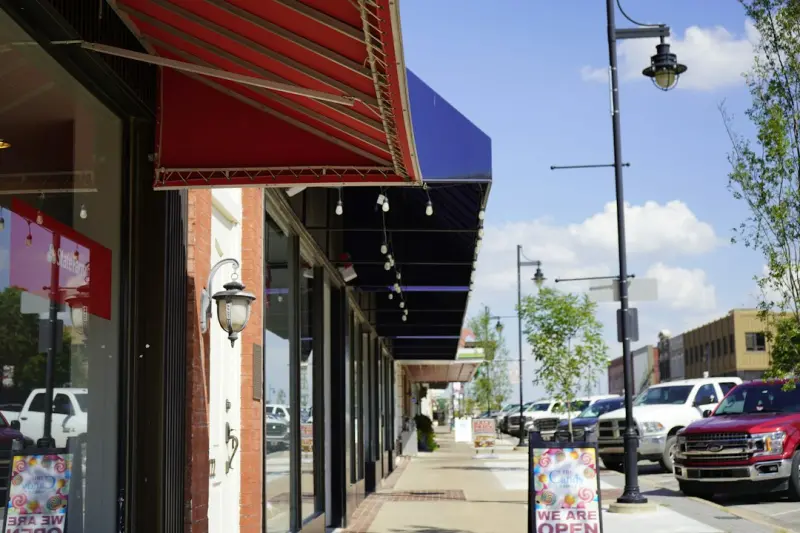
The Untapped Business Power of Smart Awnings
A deep dive into how smart, sustainable awnings transform storefronts into data‑driven branding as... Read More

Kinetic Awnings: Redefining the Commercial Facade
Kinetic awnings are evolving from simple shade to interactive, data‑rich interfaces that cut energ... Read More
Top Posts

When Drywall Meets Design: Turning Walls into Smart, Sustainable Spaces
Discover the transformative potential of today’s drywall—from recycled gypsum and acoustic upgrades to embedded sensors and radiant heating—offering a sma...Read More

Cultivating a Sensory Garden: A Personal Journey to a Living Sanctuary
Explore a personal guide to building a sensory garden that blends fragrance, texture, edible plants, and sustainable design, turning any backyard into a living ...Read More

Harvesting Rain: Turning Your Gutters into a Home Water Resource
Discover creative ways to upgrade, maintain, and beautify gutters—turning them into a reliable rain‑harvest system that saves water, cuts costs, and boosts ...Read More
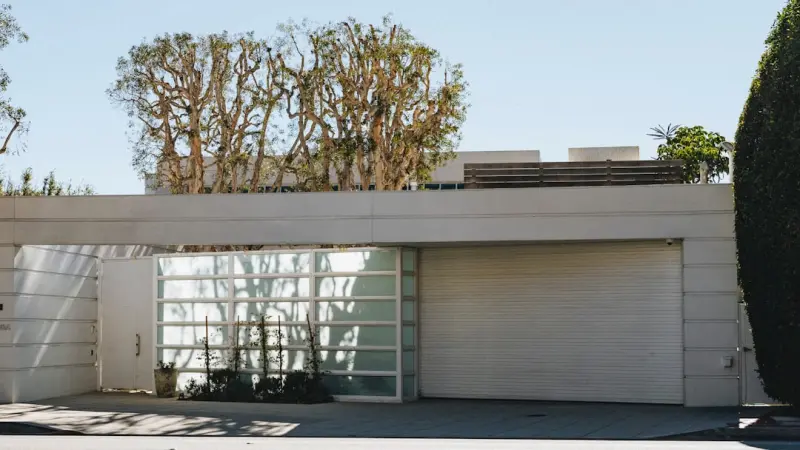
Future‑Proofing Your Garage: A Multi‑Use Blueprint for Modern Living
Discover how to turn a simple car shelter into a multi‑use hub with smart tech, sustainable flooring, and adaptable storage for lasting value....Read More
0 Comments
Post Comment
You will need to Login or Register to comment on this post!