

Weathering the Storm: A Comprehensive Guide to Home Weather Proofing
As a homeowner, there's nothing more important than ensuring your home is safe and secure from the elements. Weather proofing your home is a crucial step in protecting it from damage caused by wind, rain, snow, and extreme temperatures. Not only can weather proofing help prevent costly repairs, but it can also help reduce your energy bills and create a more comfortable living space. In this article, we'll explore the importance of home weather proofing, discuss various methods and techniques, and provide tips on how to make your home more energy-efficient and sustainable.
The Benefits of Home Weather Proofing
Home weather proofing offers numerous benefits, including reduced energy consumption, lower utility bills, and a more comfortable living space. By sealing air leaks and adding insulation, you can prevent heated or cooled air from escaping, which can save you up to 30% on your energy bills. Additionally, weather proofing can help prevent water damage, reduce noise pollution, and protect your home from structural damage caused by extreme weather conditions. For more information on sustainable home design and energy efficiency, check out The Intersection of Foundation Repair and Sustainable Home Design.
Common Areas of Weather Proofing
There are several areas of your home that require weather proofing, including:
- Windows and doors: Seal gaps and cracks around windows and doors with caulk or weatherstripping to prevent air leaks.
- Roof and attic: Ensure your roof is in good condition, and add insulation to your attic to prevent heat loss.
- Foundation and basement: Seal cracks in your foundation and walls to prevent water damage.
- Plumbing and HVAC: Insulate exposed pipes and HVAC systems to prevent freezing and energy loss.
DIY Weather Proofing Methods
While some weather proofing tasks may require professional assistance, there are several DIY methods you can try:
- Seal air leaks with caulk or spray foam.
- Add weatherstripping around doors and windows.
- Install door sweeps or threshold seals.
- Use window film to reduce heat gain and loss.
For more DIY tips and sustainable home improvement ideas, visit The Sustainable Revival of Furniture Restoration.
The Role of Sustainable Materials in Weather Proofing
When it comes to weather proofing, using sustainable materials can make a significant difference. Consider using eco-friendly materials such as recycled denim insulation, low-VOC paints, and sustainably sourced wood for your weather proofing projects. Not only are these materials better for the environment, but they can also provide improved performance and durability. For more information on sustainable materials and their applications, check out The Evolution of Sustainable Drywalling: A Comprehensive Guide.
Weather Proofing and Energy Efficiency
Weather proofing and energy efficiency go hand-in-hand. By sealing air leaks and adding insulation, you can significantly reduce your energy consumption and lower your utility bills. Additionally, consider upgrading to energy-efficient windows, doors, and appliances to further reduce your energy usage. For more tips on energy-efficient home improvements, visit The Future of Property Maintenance: How Sustainable Practices Are Revolutionizing the Industry.
The Impact of Weather Proofing on Home Value
Weather proofing can also have a significant impact on your home's value. A well-maintained and weather-proofed home can increase its resale value, attract potential buyers, and provide a competitive edge in the market. Additionally, weather proofing can help prevent costly repairs and reduce maintenance costs, which can be a major selling point for potential buyers.
Conclusion
In conclusion, home weather proofing is a crucial step in protecting your home from damage caused by extreme weather conditions. By using sustainable materials, DIY methods, and energy-efficient solutions, you can create a more comfortable, energy-efficient, and sustainable living space. Remember to prioritize weather proofing and maintenance to ensure your home remains safe, secure, and valuable for years to come.
Final Tips and Recommendations
Finally, here are some final tips and recommendations for home weather proofing:
- Conduct a thorough inspection of your home to identify areas that require weather proofing.
- Prioritize weather proofing tasks based on urgency and importance.
- Consider hiring a professional for complex weather proofing tasks.
- Monitor your energy usage and adjust your weather proofing strategies accordingly.
By following these tips and recommendations, you can create a weather-proof home that's safe, secure, and sustainable for years to come.

When it comes to the world of blogging and writing, Rose DesRochers is a name that stands out. Her passion for creating quality content and connecting with her audience has made her a trusted voice in the industry. Aside from her skills as a writer and blogger, Rose is also known for her compassionate nature.
Related Posts

Weatherproofing Your Home Without Sacrificing Style: A Practical Guide
Discover a comprehensive, design‑forward approach to weatherproofing that blends smart materials, ... Read More
Weather‑Proof Your Home: Proven Strategies for Comfort and Savings
Ready to shield your home from harsh weather? Discover proven, sustainable upgrades, DIY tricks, and... Read More

How to Turn Your Home Into a Climate‑Smart Fortress
Learn practical, future‑ready strategies to protect your home from harsh weather, from dynamic shu... Read More
Top Posts

Reimagining the Garage: From Parking Spot to Power Hub
Discover how to turn a traditional garage into a flexible, energy‑efficient hub that accommodates EV charging, a workshop, and smart home integration—all wh...Read More
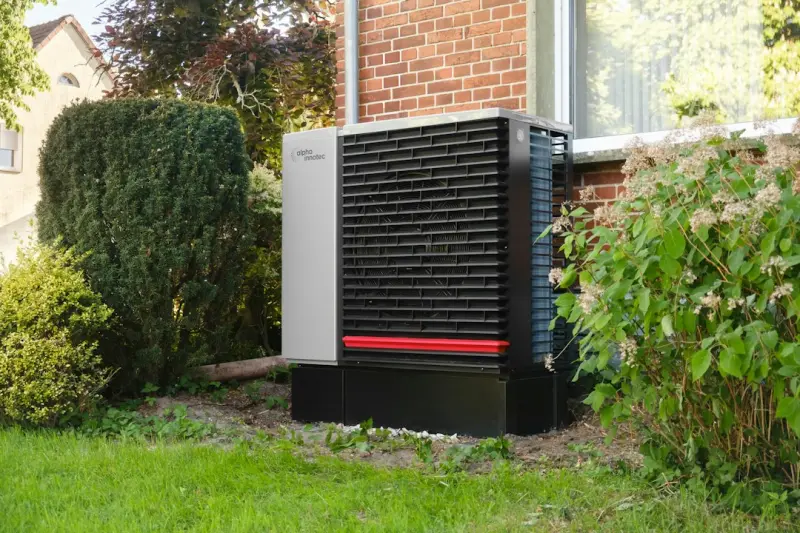
Hybrid Heat Pumps: Merging Renewable Power with Traditional HVAC for a Greener Future
Hybrid heat pumps combine modern renewable‑driven units with traditional backup heaters, delivering consistent comfort, lower utility bills, and reduced emiss...Read More

The Greening of Lawn Care: Sustainable Practices for a Lush and Eco-Friendly Yard
Learn how to create a sustainable and eco-friendly yard with these simple and effective lawn care practices. From organic fertilizers to native plants, discover...Read More

Beyond Stains: A Strategic Approach to Carpet Care in Modern Workplaces
Carpet cleaning often falls off the executive radar, yet it directly influences air quality, energy costs, and employee satisfaction. This article outlines a da...Read More
0 Comments
Post Comment
You will need to Login or Register to comment on this post!