

Why Plaster Still Matters in Modern Homes
When I first picked up a trowel, it felt like stepping into a lineage of artisans who turned raw walls into silent storytellers. Plaster isn’t just a finish; it’s a sculptural medium that absorbs light, softens acoustics, and offers a tactile invitation to touch. Today, homeowners chase glossy tiles and sleek panels, yet many overlook how a well‑applied coat of plaster can set the tone for an entire space. I’ve watched clients walk into a freshly plastered living room and feel an instant sense of calm, as if the walls themselves were breathing. That subtle, organic presence is something no synthetic coating can replicate, and it’s why I champion plaster as the unsung hero of interior design.
Choosing Sustainable Binders for a Greener Finish
One of the most rewarding shifts in my plastering practice has been the move toward eco‑friendly binders. Traditional gypsum mixes, while convenient, often rely on energy‑intensive production processes; in contrast, lime‑based plasters draw carbon from the atmosphere as they cure, creating a truly regenerative cycle. I’ve experimented with hemp‑infused lime, which not only reduces the carbon footprint but also introduces a natural insulation layer that feels warm under the hand. When you pair these binders with locally sourced sand, the embodied energy drops dramatically, turning a simple wall into a sustainability statement. Homeowners increasingly ask about “green walls,” and I tell them that the choice of binder is the first line of defense against a high‑impact construction footprint.
Health Benefits of Breathable Walls
Beyond aesthetics, breathable plaster offers tangible health advantages that many homeowners underestimate. Lime and clay‑based mixes allow moisture to travel through the wall assembly, preventing the buildup of mold and reducing indoor humidity spikes. In my experience, families with allergy‑sensitive members notice fewer flare‑ups after swapping out sealed drywall for a porous plaster system. The alkaline nature of lime also creates a hostile environment for harmful bacteria, acting as a passive sanitizer. This is especially valuable in kitchens and bathrooms, where steam and cooking fumes can compromise sealed surfaces. By letting walls “breathe,” we protect both the structure and the occupants, turning plaster into a silent guardian of indoor well‑being.
Acoustic Comfort: Plaster as a Sound Buffer
Sound travel is often an overlooked dimension of interior comfort, yet plaster excels where many finishes fail. A dense, properly finished coat can dampen reverberation, turning a bustling open‑plan area into a space where conversation flows without echo. I recall renovating a home theater where the client wanted a sleek look without adding bulky acoustic panels. By applying a multi‑layered plaster system with a mineral‑based aggregate, we achieved a sound‑absorbing surface that blended seamlessly with the décor. This approach not only preserved the aesthetic integrity but also delivered a performance‑level acoustic environment. For anyone seeking a quiet sanctuary in a noisy world, plaster provides a subtle, elegant solution.
Decorative Techniques: From Classic to Contemporary
My toolbox is filled with a spectrum of textures, each offering a different personality to a room. The classic Venetian plaster, with its marble‑like sheen, evokes old‑world luxury, while a simple stipple finish adds a rustic charm reminiscent of countryside cottages. I love experimenting with “sand‑flick” methods, where fine sand is scattered across wet plaster for a tactile, speckled surface that catches the eye. For a truly bespoke look, I incorporate pigment powders directly into the mix, creating muted earth tones or bold accent hues without the need for post‑painting. These techniques allow homeowners to personalize their walls without relying on paint, delivering depth and character that a flat surface simply cannot achieve.
Integrating Plaster with Modern Technology
While plaster feels timeless, it can coexist beautifully with cutting‑edge innovations. One project I completed recently paired a lime‑based base coat with a thin layer of smart paint that reacts to sunlight, subtly adjusting room temperature. The plaster acted as a thermal mass, storing heat during the day and releasing it at night, while the smart paint provided real‑time data to a home automation system. This synergy illustrates that traditional materials need not be isolated from modern sustainability tools. Similarly, I’ve consulted on buildings where plaster walls support adaptive masonry frameworks, allowing structural adjustments without compromising the interior finish. The result is a hybrid envelope that honors craftsmanship while embracing future‑ready performance.
DIY vs. Professional: Knowing When to Call in the Experts
There’s a satisfying allure to tackling plaster work yourself, especially when you can watch a wall transform under your own hands. However, the line between a DIY triumph and a costly mistake can be thin. Mistakes like uneven mixing, insufficient curing time, or applying too thin a layer often lead to cracks that undermine the entire project. In my career, I’ve guided many homeowners through the decision‑making process, recommending professional help for high‑traffic areas or intricate decorative finishes. A seasoned plasterer brings knowledge of substrate preparation, humidity control, and finishing techniques that guarantee durability. For budget‑conscious renovators, a hybrid approach works: let a pro handle the base coat, then add your own decorative touches on top.
Future Trends: Sustainable, Smart, and Sensory Plaster
The future of plastering lies at the intersection of sustainability, intelligence, and sensory experience. Emerging bio‑plasters infused with algae or mycelium not only sequester carbon but also actively purify indoor air, turning walls into living filters. Meanwhile, nanotechnology is enabling plaster surfaces that can self‑heal minor cracks, extending the lifespan of a finish without intervention. I’m excited about the possibility of integrating subtle LED fibers within plaster layers, creating ambient lighting that glows softly from within the wall itself. As homeowners increasingly seek environments that nurture both health and aesthetics, plaster offers a versatile canvas that can evolve alongside their needs. Embracing these innovations ensures that plaster remains a relevant, dynamic component of modern building design.

When it comes to the world of blogging and writing, Rose DesRochers is a name that stands out. Her passion for creating quality content and connecting with her audience has made her a trusted voice in the industry. Aside from her skills as a writer and blogger, Rose is also known for her compassionate nature.
Related Posts
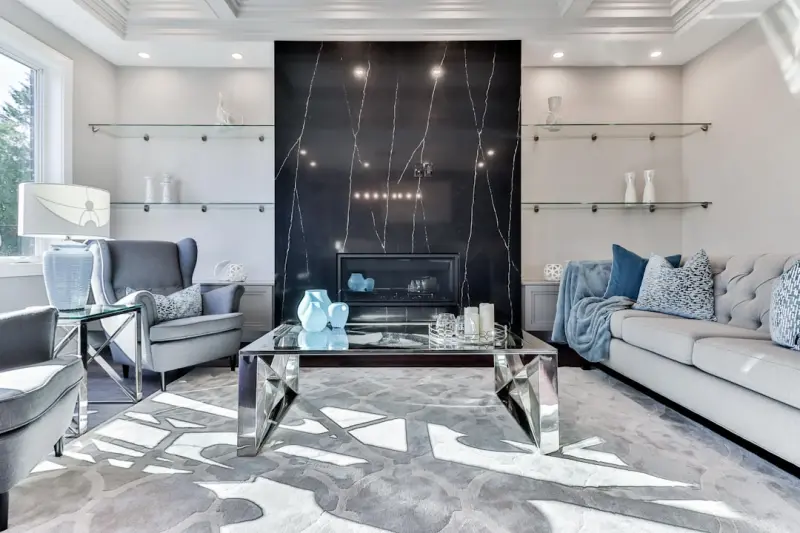
Plastering: The Unsung Hero of Modern Interiors
Plastering isn’t just a finish—it’s a design tool. I share how to choose the right mix, master... Read More

Embracing Sustainable Plastering: A New Era for Eco-Friendly Walls
Sustainable plastering is revolutionizing the construction industry, offering a healthier, more dura... Read More

The Revival of Plaster: Crafting Healthier, More Stylish Spaces
Explore plaster’s rise in modern design, its breathable health perks, DIY techniques, and the futu... Read More
Top Posts
The Rise of Smart, Sustainable Window Treatments
Discover how smart fabrics, automation, and sustainable materials are transforming window treatments into essential tools for comfort, style, and energy efficie...Read More

Electrifying the Future: How Dynamic Power Distribution Is Redefining Modern Workspaces
Dynamic power distribution replaces static circuits with modular, AI‑driven hubs, delivering real‑time load balancing, safety, and energy savings for modern...Read More

Creating a Multi‑Generational Home Addition That Works for Everyone
A multi‑generational home addition blends accessibility, flexibility, and smart design to keep families close while respecting privacy and modern work needs. ...Read More

Voice‑Activated Home Alarms: A Hands‑Free Revolution for Every Household
Explore the rise of voice‑controlled home alarm hubs, their seamless smart‑home integration, privacy safeguards, and DIY options for renters—all designed ...Read More
0 Comments
Post Comment
You will need to Login or Register to comment on this post!