
Why Plaster Is the Unsung Hero of Modern Interiors
In an age where sleek drywall and glossy paint dominate the design conversation, I’ve found that genuine plaster work quietly re‑asserts itself as the material that can fuse heritage charm with contemporary sophistication, delivering a tactile depth that flat surfaces simply cannot match; this resurgence is not a nostalgic gimmick but a response to homeowners craving authenticity, acoustic comfort, and a finish that ages gracefully rather than fading into a uniform blandness. When I walk into a room whose walls breathe a subtle, matte whisper of lime or gypsum, the atmosphere shifts instantly, inviting occupants to linger, to notice the subtle play of light on a surface that subtly absorbs and diffuses rather than reflects harshly, creating a backdrop that feels both timeless and alive. The craft’s ability to adapt—from the ultra‑smooth Venetian finish to the rugged, hand‑troweled rustic coat—means it can be tailored to any aesthetic ambition, making plaster the versatile canvas that modern designers and DIY enthusiasts alike are beginning to rediscover with enthusiasm.
The Science Behind Breathable Plaster and Healthy Homes
What most people overlook is that plaster, especially lime‑based mixes, functions as a breathable membrane, allowing moisture to evaporate through the wall rather than becoming trapped behind an impermeable paint layer; this natural regulation helps maintain indoor humidity at comfortable levels, curbing the growth of mold and preserving the structural integrity of timber framing that would otherwise be compromised by condensation cycles. In my experience, homes that have switched from traditional drywall to a well‑applied lime plaster report noticeably fewer allergy flare‑ups and a reduction in that stale, “closed‑in” feeling that can plague tightly sealed modern constructions, because the plaster’s micro‑porous structure acts like a passive HVAC system, subtly balancing moisture without any mechanical intervention. By choosing a plaster system that aligns with the building’s original breathability, you’re not just investing in aesthetics—you’re endorsing a healthier indoor climate that supports both occupants and the longevity of the home itself.
From Smooth to Sculpted: Trending Plaster Textures
Among the most exciting developments in plaster design today is the deliberate embrace of texture as a storytelling device, where artisans manipulate the material to create everything from delicate, sand‑kissed finishes that echo coastal breezes to bold, geometric ridges that channel a futuristic vibe; the key is understanding how the timing of the trowel, the choice of aggregate, and the humidity of the room interact to lock in a pattern that feels intentional rather than accidental. I’ve recently experimented with a “crackle” technique that incorporates a thin layer of acrylic resin beneath a lime coat, then introduces a controlled crackle as the surface cures, resulting in a living, evolving wall that adds visual intrigue over time, while still retaining the durability of a traditional plaster substrate. These textural explorations are not merely decorative—they can also improve acoustic performance by diffusing sound waves, a subtle benefit that makes plaster an attractive option for open‑plan living areas where echo can be a nuisance.
DIY‑Friendly Plaster Techniques for Confident Homeowners
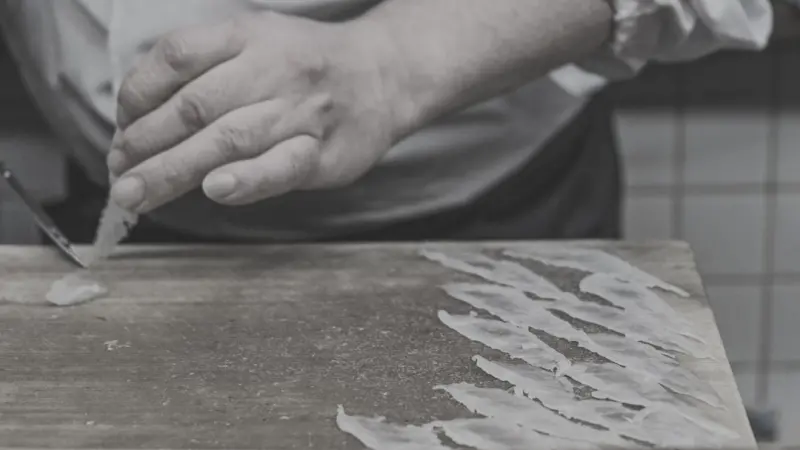
For the hands‑on homeowner eager to dip a trowel into the world of plaster without calling a professional, the secret lies in mastering a few foundational steps: proper surface preparation, the right mix consistency, and disciplined layering; start by cleaning the substrate, applying a bonding agent if necessary, and then mixing a small batch of gypsum plaster with water until it reaches a creamy, pourable texture that holds a ribbon when lifted with a spoon. I recommend practicing the “wet‑on‑wet” method on a spare board first, applying a thin base coat, letting it set to a firm but still damp state, and then adding a finishing skim that you can feather out with broad strokes, allowing the material to self‑level while you gently guide it into the desired smoothness; this approach minimizes the risk of visible trowel marks and gives you a forgiving window to correct imperfections before the plaster fully hardens. Patience is crucial—waiting the recommended 20‑30 minutes between coats ensures proper adhesion, and using a damp sponge for final smoothing can create that coveted matte finish without the need for expensive sanding.
Choosing the Right Plaster Mix: Lime vs. Gypsum vs. Acrylic
The decision between lime, gypsum, and acrylic plaster hinges on the project’s functional demands, aesthetic goals, and the existing building envelope; lime plaster excels in historic renovations and eco‑conscious builds due to its carbon‑negative footprint and natural breathability, gypsum offers rapid setting times and a flawless, ultra‑smooth surface ideal for modern minimalist interiors, while acrylic blends provide enhanced flexibility, resistance to cracking, and superior adhesion on challenging substrates like concrete or metal studs. In my own remodels, I’ve found that a hybrid approach—using a lime base for its moisture‑regulating properties and topping it with a thin acrylic skim for added durability—delivers the best of both worlds, especially in high‑traffic areas such as kitchens where wear resistance is paramount yet the desire for a warm, organic feel remains. Remember to factor in the curing environment; lime needs a longer, humid curing period to achieve full strength, whereas gypsum can be sanded within a day, making it the go‑to choice when schedule constraints dictate a faster turnaround.
Integrating Plaster With Energy Efficiency and Insulation
One of the most compelling arguments for reinstalling plaster in contemporary builds is its synergy with energy‑saving strategies, as the material’s thermal mass can absorb heat during the day and release it slowly at night, thereby flattening indoor temperature fluctuations and reducing reliance on mechanical heating and cooling; pairing a well‑installed plaster finish with the insights from The Hidden Power of Insulation creates a wall assembly that not only looks premium but also contributes to lower utility bills and a reduced carbon footprint. Moreover, when plaster is applied over an insulated substrate, the added density helps seal micro‑gaps, minimizing drafts and enhancing the overall airtightness of the envelope; this is especially beneficial in retrofit projects where preserving the original structure is essential, yet modern performance standards must still be met. By selecting a plaster system compatible with your insulation type—whether rigid foam, blown cellulose, or reflective panels—you can craft a holistic wall solution that marries aesthetic elegance with tangible energy savings.
Professional Finishes: When to Call a Master Plasterer
While many homeowners can achieve respectable results with a basic skim coat, the true artistry of plaster—such as intricate decorative motifs, seamless Venetian finishes, or large‑scale textured murals—often requires the seasoned hand of a master plasterer who understands the nuanced timing, pressure, and tool selection needed to coax the material into complex forms without cracking or unevenness; attempting these high‑stakes techniques without the requisite experience can lead to costly rework, especially when working on heritage properties where preservation standards are stringent. I advise scheduling a consultation early in the planning phase if your design vision includes layered relief work, integrated lighting niches, or any finish that demands a multi‑stage application, as the professional can advise on substrate preparation, appropriate mix ratios, and realistic timelines, ensuring the final result aligns with both your aesthetic aspirations and structural requirements. Additionally, a seasoned plasterer brings an eye for detail that can detect underlying issues—like hidden moisture or structural movement—before they manifest as surface defects, safeguarding your investment for years to come.
Maintenance Tips to Keep Your Plaster Pristine
Maintaining plaster’s beauty is surprisingly straightforward when you respect its natural properties: regular dusting with a soft, dry cloth prevents abrasive buildup, while occasional gentle cleaning with a diluted mild detergent and a damp sponge removes stains without compromising the surface’s breathability; it’s crucial, however, to avoid excessive water or harsh chemicals, as these can erode the protective lime layer or cause gypsum to soften. In areas prone to moisture—such as bathrooms or basements—consider integrating the principles from Waterproofing as a Design Feature by applying a breathable waterproofing membrane beneath the plaster or using a moisture‑resistant acrylic top coat, which acts as a defensive barrier while preserving the wall’s ability to “breathe.” Lastly, keep an eye out for hairline cracks; these can often be remedied with a thin filler mixed to match the existing plaster, followed by a light sanding and resealing, ensuring that minor imperfections never evolve into larger, more visible issues.
Future Trends: Smart Plaster Surfaces and Sensor Integration
Looking ahead, plaster is poised to become a platform for embedded technology, where thin, flexible sensors can be woven into the plaster matrix during the wet stage, enabling walls that monitor humidity, temperature, and even structural strain, transmitting real‑time data to a homeowner’s smart hub; this convergence of tradition and tech promises to transform passive surfaces into active participants in home health management, alerting occupants to potential moisture intrusion before mold takes hold or indicating when a wall’s thermal performance begins to degrade. I’m currently testing a prototype that incorporates a low‑profile, battery‑free humidity sensor that draws power from the plaster’s natural moisture gradients, delivering subtle LED feedback on the wall itself—a concept that could soon replace conventional wall switches and thermostats with aesthetically pleasing, plaster‑integrated controls. As builders and designers embrace these innovations, plaster’s inherent durability and compatibility with a variety of finishes make it an ideal candidate for the next generation of “smart” interior elements, blending heritage craftsmanship with cutting‑edge functionality.

William Roy is a freelance writer originally from Montreal who moved to Ottawa with his wife of 50 years to be closer to their grandkids. Alongside his writing, William has a passion for fishing.
Related Posts

The Green Revolution in Plastering: Sustainable Techniques for a Greener Tomorrow
As a seasoned plasterer, I'm excited to share the latest sustainable plastering techniques and mater... Read More

Plastering’s Modern Renaissance: Health, Design, and Smart Innovations
Plaster is returning to the spotlight as a versatile, health‑focused, and technologically enhanced... Read More

Rethinking Plaster: Sustainable, Acoustic, and Smart Solutions for Modern Interiors
This article uncovers the hidden power of contemporary plaster, revealing its acoustic benefits, bre... Read More
Top Posts

Designing Commercial Renovations That Put People First
Discover why putting people at the heart of commercial renovations delivers higher productivity, lower costs, and a lasting competitive edge....Read More
How Windows and Doors Shape Your Home’s Health and Comfort
Explore the hidden ways windows and doors influence indoor air flow, natural light, and health—practical tips you can apply today to turn ordinary openings in...Read More

Unlocking Hidden Savings: A Modern Homeowner’s Guide to Energy Inspection
Learn how modern energy inspection blends smart data, DIY tools, and AI predictions to uncover hidden savings and qualify for green incentives....Read More

The Quiet Power of Proactive Appliance Diagnostics
Discover a straightforward, proactive approach to appliance care that catches problems early, reduces energy waste, and helps you avoid costly replacements....Read More
0 Comments
Post Comment
You will need to Login or Register to comment on this post!