
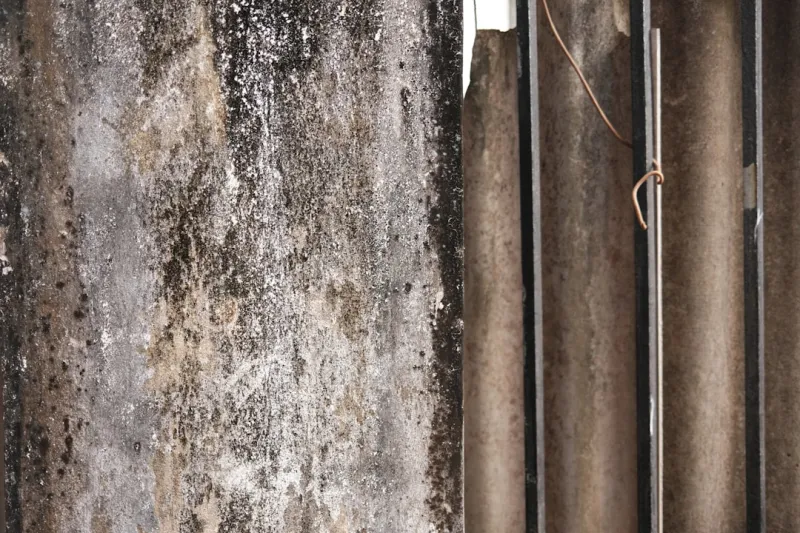
Understanding the Hidden Threat of Mold
Mold may look like a harmless splash of black or green on a bathroom wall, but behind that speckled surface lies a potent mix of fungal spores that can infiltrate indoor air, settle on furniture, and even embed themselves in structural cavities. When these spores become airborne, they can trigger allergic reactions, asthma attacks, and chronic sinus issues for anyone breathing them in, especially children, seniors, and immunocompromised individuals. Recognizing mold as a silent health hazard empowers homeowners to treat it with the same urgency they would a water leak or electrical fault, because the long‑term costs of inaction often eclipse the immediate expense of professional remediation.
Tracing Moisture: The Root Cause of Most Outbreaks
Every mold colony starts with moisture, and the most common culprits are hidden leaks, condensation behind insulation, and inadequate ventilation in kitchens, bathrooms, and basements. When humid air meets a cool surface, droplets form, creating a perfect breeding ground for spores that can multiply exponentially within 48 hours; this rapid growth explains why a minor roof drip can evolve into a pervasive infestation in just days. By mapping the path of water—from rooftop gutters down to interior drywall—homeowners can pinpoint the exact entry points that need sealing before mold ever gets a chance to settle.
Early Detection: Signs That Should Set Off Alarms
Visible discoloration, a persistent musty odor, and unexplained water stains are the three most reliable early warning signs that mold has taken hold, yet many families overlook them until the problem spreads to larger areas. Conducting a simple visual inspection each season, especially after heavy rains or when heating systems run, can reveal hidden growth behind tiles, under carpet seams, or inside HVAC ducts where it can be most dangerous. When in doubt, a professional moisture meter can confirm hidden damp spots, giving you concrete data to justify immediate remediation.
Safe Removal Strategies for the DIY Enthusiast
For small, surface‑level infestations, a disciplined DIY approach can be both effective and economical, provided you follow strict safety protocols that protect both your health and the integrity of your home. Begin by donning a N‑95 respirator, chemical‑resistant gloves, and goggles; then isolate the work area with plastic sheeting to prevent spores from drifting into adjoining rooms. Use a mixture of distilled water and a biodegradable biocide—available at most green‑home stores—to scrub affected surfaces, and always dispose of contaminated rags in sealed bags to avoid cross‑contamination.
Choosing Sustainable, Low‑Impact Remediation Products
Traditional mold‑killing chemicals often contain harsh solvents that linger in indoor air long after the job is done, compromising the very health you’re trying to protect; that’s why many veteran contractors now favor plant‑based fungicides and enzyme cleaners that break down fungal cell walls without toxic residues. These eco‑friendly solutions not only reduce chemical exposure but also degrade quickly, leaving no harmful by‑products in soil or waterways. Pairing such products with a HEPA‑rated vacuum ensures that any loosened spores are captured rather than redistributed, completing a truly green removal cycle.
When to Call in the Experts
Even the most diligent homeowner can miss hidden mold behind structural elements, and large‑scale growth—especially in HVAC systems or within wall cavities—requires professional equipment and expertise to eradicate safely. A seasoned contractor will conduct a comprehensive assessment, often referencing The Veteran Contractor’s Blueprint for Safe, Sustainable Mold Removal, to develop a plan that combines containment, negative air pressure, and specialized antimicrobial treatments. Their experience also ensures that underlying moisture problems are corrected, preventing a swift recurrence that could undo weeks of labor and expense.
Post‑Removal Prevention: Controlling Humidity and Enhancing Airflow
After mold has been eliminated, the battle shifts to keeping the environment inhospitable to future spores, which means maintaining indoor humidity levels below 60 % and ensuring proper ventilation in moisture‑prone zones. Installing smart dehumidifiers, using exhaust fans that vent directly outdoors, and sealing any gaps around windows or pipe penetrations are proven tactics that keep air dry without sacrificing comfort. Additionally, upgrading insulation—particularly in basements and crawl spaces—reduces condensation on cold surfaces, creating an added barrier against fungal growth.
Integrating Mold Management into a Sustainable Home Routine
Effective mold control doesn’t exist in isolation; it dovetails with broader green‑home practices that boost energy efficiency, lower utility bills, and improve indoor air quality. Simple actions like regularly cleaning dryer vents, employing low‑VOC paints, and opting for natural cleaning agents all contribute to a healthier living space while supporting environmental stewardship. For a deeper dive into everyday eco‑tips, explore Sustainable Home Hacks: Practical Tips for a Greener, Healthier House, which offers a toolbox of strategies that complement mold prevention and make your home a true sustainable sanctuary.
Final Thoughts: Proactive Care Beats Reactive Repairs
The lesson from countless renovation sites is clear: addressing moisture and mold early saves money, preserves structural integrity, and protects family health, making it a cornerstone of responsible homeownership. By staying vigilant, using eco‑friendly removal methods, and partnering with contractors who prioritize sustainable practices, you turn a potentially hazardous situation into an opportunity to strengthen your home’s resilience. Remember, mold thrives on neglect; your proactive steps are the most powerful antidote, ensuring that every breath you take inside your house remains clean, safe, and sustainable.

Tom Ferguson is a Canadian freelance writer with a passion for storytelling, current events, and thoughtful commentary. Drawing on years of writing experience, he shares engaging insights on a wide range of topics, bringing a uniquely Canadian perspective to his work.
Related Posts

Beyond the Spot: A Proactive Playbook for Mold Removal in Modern Workspaces
Mold isn’t just a cleaning issue; it’s a hidden threat to indoor health and building performance... Read More

The Silent Threat: A Data‑Driven Playbook for Mold Eradication
A comprehensive guide to using real‑time monitoring, moisture mapping, and sustainable remediation... Read More

The Hidden Cost of Ignoring Mold: A Data‑Driven Playbook for Facility Managers
Treat mold removal as a core operational metric with continuous moisture monitoring, data analytics,... Read More
Top Posts

Why Modern Gutters Are the Unsung Heroes of Sustainable Home Design
Explore the hidden power of gutters in sustainable living. Learn about eco‑friendly materials, rainwater harvesting, maintenance tricks, and how gutters prote...Read More

Designing Sustainable Paving: From Permeable Paths to Smart Surfaces
A fresh look at paving that blends sustainability, design, and smart tech, offering practical steps for durable, climate‑smart outdoor surfaces....Read More

The Green Home Inspection: A Comprehensive Guide to Sustainable Living
A green home inspection is crucial for identifying areas where your home can be more sustainable. Learn how to create a healthier, more eco-friendly living envi...Read More

The Sustainable Approach to Bathtub Refinishing: A Guide to Eco-Friendly Bathroom Renovations
Learn about the environmental benefits of bathtub refinishing and how it can be a cost-effective and sustainable solution for your bathroom renovation needs....Read More
0 Comments
Post Comment
You will need to Login or Register to comment on this post!