
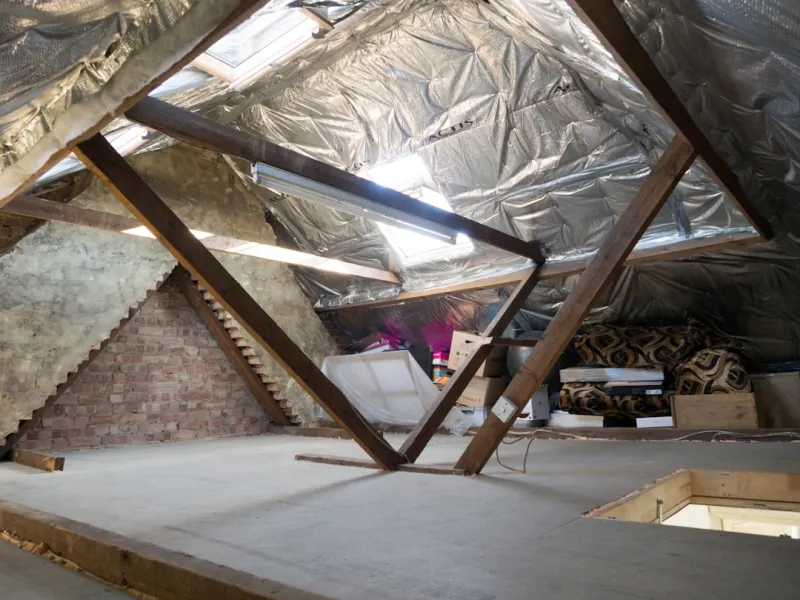
The Importance of Insulation in Sustainable Home Design
As a seasoned expert in sustainable home design, I, Craig Brett, have always emphasized the crucial role of insulation in creating eco-friendly homes. Insulation is often overlooked, but it is a vital component in reducing energy consumption, minimizing carbon footprint, and promoting a healthier indoor environment. In this article, I will delve into the significance of insulation in sustainable home design and explore the various options available for homeowners.
Insulation plays a pivotal role in maintaining a comfortable indoor climate, reducing heat loss in winter and heat gain in summer. By minimizing heat transfer, insulation helps to decrease the need for heating and cooling, resulting in significant energy savings. According to the United States Department of Energy, insulation can save homeowners up to 30% on their energy bills. Moreover, insulation also helps to reduce noise pollution, creating a more peaceful living environment.
Types of Insulation
There are various types of insulation available, each with its unique characteristics and benefits. Some of the most common types of insulation include fiberglass, cellulose, spray foam, and reflective insulation. Insulation options vary in terms of their R-value, which measures their ability to resist heat flow. Homeowners should choose insulation that is suitable for their climate, budget, and personal preferences.
In addition to traditional insulation materials, there are also eco-friendly alternatives available. For instance, recycled denim insulation and wool insulation are sustainable options that provide excellent thermal performance. These eco-friendly insulation materials not only reduce waste but also offer a healthier alternative to traditional insulation materials.
The Benefits of Sustainable Insulation
Sustainable insulation offers numerous benefits, including reduced energy consumption, lower greenhouse gas emissions, and improved indoor air quality. By choosing sustainable insulation, homeowners can significantly reduce their carbon footprint and contribute to a more environmentally friendly future. Moreover, sustainable insulation can also improve the durability and lifespan of a building, reducing the need for costly repairs and replacements.
Energy-efficient windows and doors are often considered the key to a sustainable home, but insulation plays an equally important role. By combining sustainable insulation with energy-efficient windows and doors, homeowners can create a holistic sustainable home design that minimizes energy consumption and promotes a healthier indoor environment.
The Role of Insulation in Sustainable Home Design
Insulation is a critical component of sustainable home design, and its importance cannot be overstated. A well-insulated home can maintain a comfortable indoor climate, reduce energy consumption, and promote a healthier indoor environment. Homeowners should prioritize insulation when designing or renovating their homes, choosing sustainable insulation materials that align with their values and goals.
In conclusion, insulation is a vital component of sustainable home design, offering numerous benefits, including reduced energy consumption, lower greenhouse gas emissions, and improved indoor air quality. By choosing sustainable insulation materials and prioritizing insulation in home design, homeowners can create a more eco-friendly and sustainable living space.
Best Practices for Insulation Installation
To maximize the benefits of insulation, it is essential to follow best practices for insulation installation. Homeowners should ensure that insulation is installed correctly, with no gaps or cracks that can compromise its performance. Additionally, homeowners should consider factors such as climate, budget, and personal preferences when selecting insulation materials.
Sustainable renovation checklist can help homeowners navigate the complex process of insulation installation and ensure that their home is designed and built with sustainability in mind. By following best practices and prioritizing sustainability, homeowners can create a more eco-friendly and sustainable living space.
The Future of Insulation
The future of insulation is exciting and rapidly evolving. With advancements in technology and materials science, insulation is becoming more efficient, sustainable, and cost-effective. Homeowners can expect to see innovative insulation materials and solutions that offer improved thermal performance, reduced environmental impact, and enhanced indoor air quality.
In conclusion, insulation is a critical component of sustainable home design, offering numerous benefits, including reduced energy consumption, lower greenhouse gas emissions, and improved indoor air quality. By prioritizing insulation and choosing sustainable insulation materials, homeowners can create a more eco-friendly and sustainable living space.
Conclusion
In conclusion, insulation plays a vital role in sustainable home design, and its importance cannot be overstated. By choosing sustainable insulation materials, prioritizing insulation in home design, and following best practices for insulation installation, homeowners can create a more eco-friendly and sustainable living space. As we move forward, it is essential to prioritize sustainability and innovation in insulation, ensuring that our homes are designed and built with the environment in mind.

Craig Brett is a freelancer with a passion for the outdoors. His love for nature inspires his work, bringing authentic and engaging perspectives to projects related to outdoor activities, adventure, and environmental topics.
Related Posts

The Unseen Superpower of Insulation: Comfort, Health, and Carbon Savings
A deep dive into how the right insulation strategy can transform indoor comfort, improve indoor air ... Read More

Beyond the Walls: Hidden Insulation Opportunities to Maximize Home Comfort
I’ve uncovered the secret insulation zones most homeowners ignore—floor joists, attic hatches, a... Read More

Breathing Easier: The Intersection of Insulation and Indoor Air Quality
This article delves into how vapor‑permeable, bio‑based insulation can improve indoor air qualit... Read More
Top Posts
Backyard Sheds & Gazebos: From Storage to Lifestyle Hubs
Explore practical upgrades, sustainable materials, and smart tech that turn ordinary backyard sheds and gazebos into year‑round lifestyle hubs, boosting comfo...Read More

Revamping Your Home's Aesthetic: A Comprehensive Guide to Interior Design
Discover the art of interior design and learn how to revamp your home's aesthetic with our expert guide. Get inspired and create a space that's truly yours....Read More
When Masonry Becomes an Intelligent Asset for Modern Workspaces
Masonry isn’t just a decorative element; when equipped with low‑power sensors, walls can deliver real‑time insights on temperature, humidity, and structur...Read More

Seasonal Wallpaper Swaps: A Fresh Take on Transforming Your Home
Swap your walls with the seasons using clever wallpaper strategies—learn about materials, acoustic benefits, rental‑friendly tricks, and how to pair prints ...Read More
0 Comments
Post Comment
You will need to Login or Register to comment on this post!