

Why Appliance Repair Is More Than a Quick Fix
When the dishwasher starts humming like a broken saxophone or the refrigerator begins to sigh under the weight of a warm interior, my instinct as a seasoned repair technician is to dive straight into the guts of the machine, but over the years I’ve learned that the real value lies in treating each malfunction as a symptom of a larger system imbalance, a mindset that transforms a simple service call into a holistic home‑care strategy. In my experience, every bolt tightened, every coil cleaned, and every gasket replaced is an opportunity to reinforce the sustainability of the entire household, because an appliance that runs efficiently not only saves the owner money but also reduces the cumulative carbon footprint of countless daily cycles. By approaching repairs with an eye toward long‑term performance rather than a one‑time fix, I empower homeowners to see their kitchen and laundry rooms as living ecosystems that thrive on thoughtful maintenance.
Diagnosing the Real Culprit: Beyond the Symptom
Most homeowners call me when a machine simply stops working, yet the underlying issue is often hidden in a chain of minor neglects that, if left unchecked, snowball into costly failures, so my first step is always a methodical walkthrough that maps out electrical pathways, water flow, and thermal dynamics before I even unscrew a panel. I explain that a noisy washing machine may not just need a new motor but could be signaling a worn bearing caused by hard water deposits, a problem that can be mitigated with proper filtration—a lesson I’ve reinforced countless times while sharing my own “handyman hacks” in workshops and online guides. This diagnostic philosophy mirrors the approach in my favorite read, Handyman Hacks: Sustainable Fixes Every Homeowner Should Know, where the emphasis is always on uncovering root causes before applying a band‑aid solution.
Tools of the Trade: Building a Sustainable Kit
Over the past decade I have curated a toolbox that reflects a commitment to both precision and environmental responsibility, filling it with digital multimeters that boast low‑power modes, reusable coil whips, and a selection of biodegradable cleaning agents that break down oil and grime without polluting the water system, because the tools we choose set the tone for the repairs we perform. I also keep a small inventory of refurbished control boards and energy‑star certified components, recognizing that extending the life of a part often has a lower embodied energy than manufacturing a new one, a principle that aligns with the broader ethos of sustainable construction detailed in Sustainable General Contracting: Building Value with Purpose. By investing in high‑quality, reusable equipment, I reduce waste on each job and demonstrate to clients that responsible repair starts at the very first handshake.
The Power of Preventive Maintenance
Just as a physician schedules regular check‑ups to catch disease early, I schedule quarterly inspections for appliances that see heavy use, using a checklist that covers coil cleaning, door seal integrity, and firmware updates, because a small amount of proactive effort can prevent the catastrophic failure of a compressor that would otherwise require a full unit replacement. These visits are an excellent opportunity to educate homeowners on simple actions—like wiping the condenser coils on a fridge with a vacuum brush or descaling a dishwasher with vinegar—that keep machines running at peak efficiency while extending their useful lifespan, a habit that dovetails with the strategies outlined in Future‑Proofing Property Maintenance: A Veteran Contractor’s Playbook. When clients adopt these routines, they see a noticeable dip in energy bills and a reduction in emergency repair calls, proving that prevention truly is the most cost‑effective repair strategy.
Eco‑Friendly Parts and Materials
When a component truly needs replacement, I prioritize sourcing parts that are either remanufactured, made from recycled metals, or certified by reputable green programs, because each piece that stays out of the landfill represents a win for the planet and a tangible savings for the homeowner, who often pays less for a refurbished part than for a brand‑new one with identical performance specs. I also advocate for using silicone gaskets over traditional rubber, as silicone offers longer durability and resists degradation from temperature swings, cutting down on the frequency of future replacements; this small material swap can be the difference between a leak that resurfaces in six months and a seal that holds strong for years. By documenting every eco‑friendly choice on my service reports, I provide clients with a transparent ledger of how each repair contributes to a greener household, reinforcing the narrative that responsible repair is a cornerstone of sustainable living.
Energy Efficiency: Turning Old Machines Green
Modern appliances come equipped with smart sensors and variable‑speed motors that dramatically lower energy consumption, but older models can be retrofitted with upgrades such as high‑efficiency thermostats, LED indicator lights, and inverter‑driven compressors, turning a relic into a near‑modern device without the expense of a full replacement, a technique I’ve refined through countless field experiments. For example, installing a programmable timer on an electric water heater not only reduces standby losses but also aligns heating cycles with off‑peak electricity rates, delivering both environmental and financial dividends—a win‑win that I routinely highlight during service calls. These upgrades, while modest in cost, can shave 15‑20 % off the annual energy use of a typical appliance, a statistic that resonates strongly with eco‑conscious homeowners seeking measurable impact.
When to Call a Pro vs. DIY
There is a fine line between empowering homeowners with DIY knowledge and ensuring safety and warranty compliance, so I advise clients to tackle simple tasks like filter cleaning or hose replacement themselves, but to call in a professional for any work involving sealed refrigerant lines, high‑voltage components, or complex electronic control boards, because mishandling these systems can lead to hazardous conditions and void manufacturer guarantees. My own journey from apprentice to master technician taught me that the confidence to say “I’ll handle this” should be backed by proper training, the right tools, and an understanding of local codes, a lesson I embed in every consultation and that echoes the responsible approach championed in my earlier guide, Handyman Hacks for Sustainable Home Fixes. By drawing a clear boundary, I protect both the integrity of the appliance and the safety of the household, fostering a relationship of trust that turns a one‑time repair into a long‑term partnership.
Cost Savings and Environmental Impact
When an appliance is repaired instead of replaced, the immediate savings are obvious—a repaired dryer can cost a fraction of a brand‑new unit—but the hidden benefits compound over time through reduced manufacturing emissions, lower transport fuel use, and the avoidance of waste streams that burden landfills, a lifecycle perspective that I regularly discuss with clients to illustrate the true value of repair. Studies show that extending the life of a refrigerator by just two years can cut its total carbon footprint by up to 30 %, a statistic that validates the extra effort I put into diagnosing and fixing even the most stubborn compressor issues; this data point often becomes a persuasive argument in my sales conversations. By framing repair as both an economic and ecological decision, I help homeowners make choices that align with their budgets and their desire to leave a smaller environmental imprint for future generations.
My Roadmap for the Modern Homeowner
Looking ahead, I’m building a comprehensive roadmap that combines regular maintenance schedules, easy‑to‑follow troubleshooting guides, and a curated list of sustainable parts suppliers, all delivered through a simple online portal that lets homeowners track the health of each appliance in real time, a vision inspired by the integrated approach described in Sustainable Architecture: Crafting Buildings That Breathe and Endure. This platform will send gentle reminders when a filter is due for cleaning, suggest energy‑saving settings based on seasonal usage patterns, and even offer discount codes for eco‑friendly components, turning the often‑overlooked realm of appliance care into an engaging, data‑driven habit. By equipping households with the knowledge, tools, and incentives to prioritize repair over replacement, I aim to shift the cultural narrative from disposability to durability, proving that every squeak, clunk, or leak can become an opportunity to reinforce a home’s resilience and sustainability.

Lifan Chen is a freelancer based in Toronto specializing in marketing. With expertise in crafting effective marketing strategies and campaigns, Lifan helps businesses grow their brand presence and reach target audiences. As a Toronto-based freelancer, Lifan combines local market insights with creative marketing skills to deliver tailored solutions for clients.
Related Posts
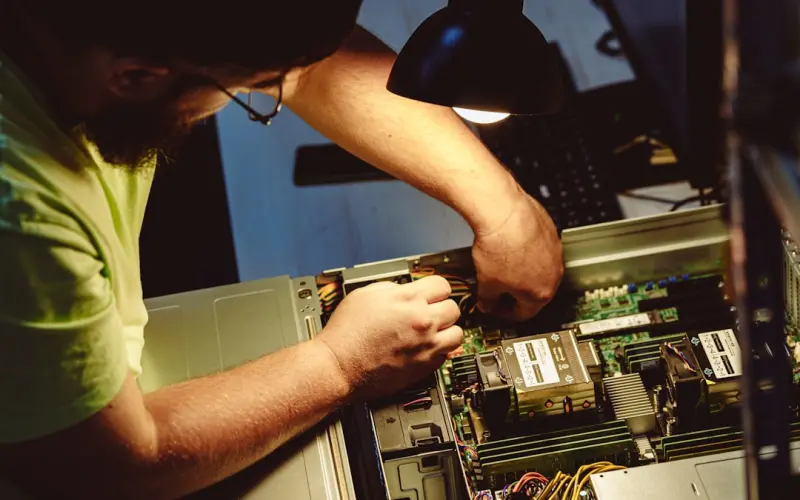
Why Proactive Appliance Repair Is Your Next Competitive Edge
A deep dive into turning appliance repair from a costly surprise into a proactive, data‑driven str... Read More

The Quiet Power of Proactive Appliance Diagnostics
Discover a straightforward, proactive approach to appliance care that catches problems early, reduce... Read More
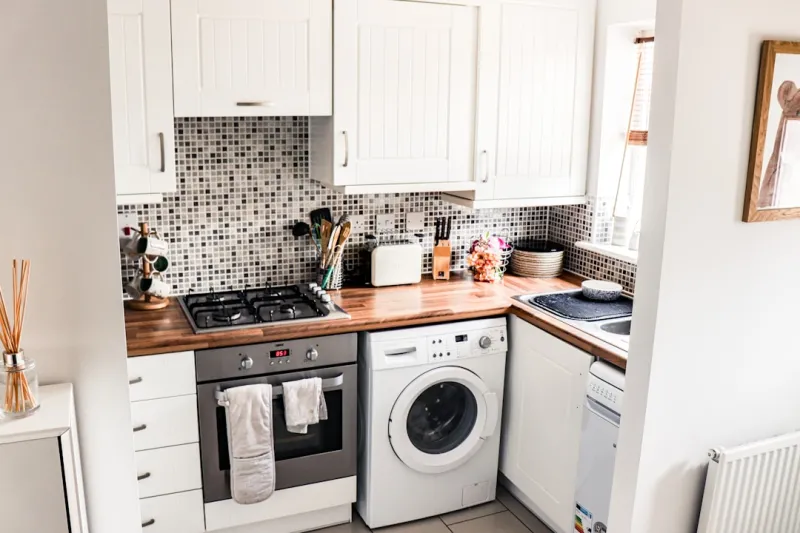
The Rising Trend of Sustainable Appliance Repair
Appliance repair is booming as homeowners seek greener, cost‑effective solutions. Learn the latest... Read More
Top Posts
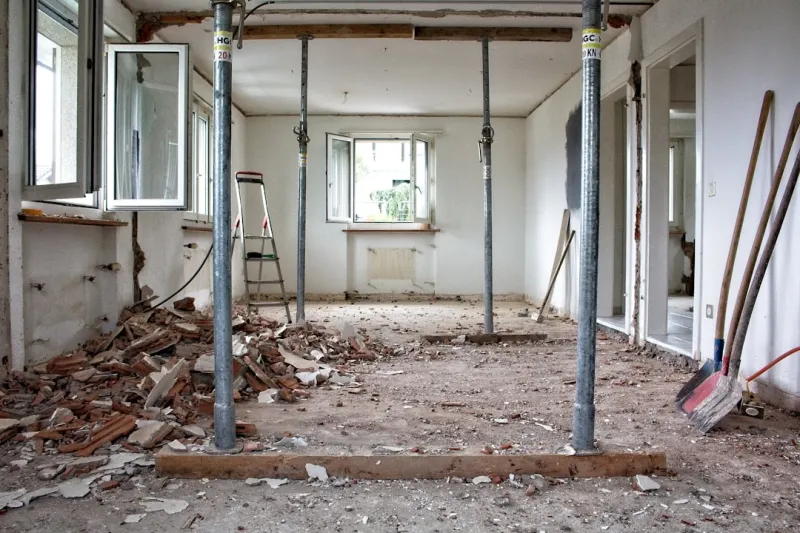
Embracing Sustainable Practices in Home Renovations
Sustainable home renovations can help reduce your carbon footprint, create a healthier living space, and increase your property value. Learn how to make your ne...Read More
The Importance of Regular Property Maintenance: A Comprehensive Guide
Regular property maintenance is crucial to prevent costly repairs, enhance your property's value, and ensure a safe living environment. Learn the importance of ...Read More

Reimagining Sheds & Gazebos: Micro‑Spaces That Boost Creativity, Wellness, and Sustainability
Learn to convert a modest backyard shed or gazebo into a purposeful micro‑space for remote work, creative pursuits, or personal wellness, using smart design, ...Read More
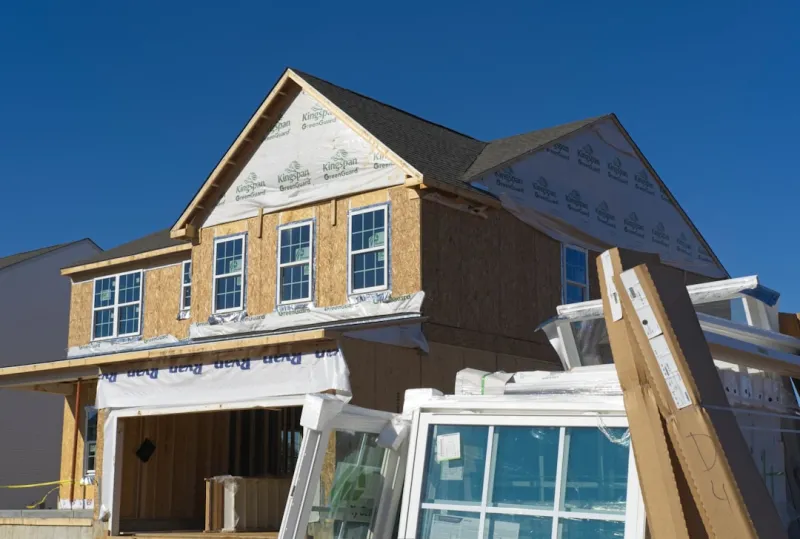
The Evolution of Home Construction: Trends, Innovations, and Best Practices
The home construction industry is evolving rapidly, driven by advancements in technology and changing consumer preferences. Learn about the latest trends, innov...Read More
0 Comments
Post Comment
You will need to Login or Register to comment on this post!