
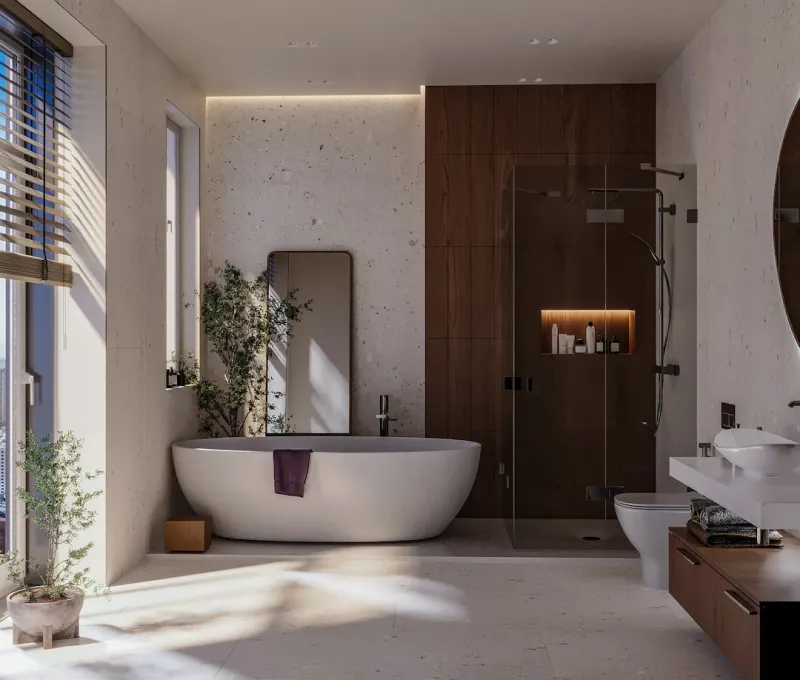
Why I’m Re‑Imagining My Bathroom
When I first stared at my outdated tiles, the urge to overhaul the space felt like a quiet rebellion against complacency, and I realized that a bathroom is more than a functional room—it’s a personal sanctuary where design, comfort, and sustainability intersect. I began mapping out a plan that would blend modern aesthetics with long‑term performance, because I know from experience that a rushed remodel often leads to regret and unnecessary expense. By setting clear goals—improved energy efficiency, reduced water usage, and a timeless look—I could prioritize upgrades that matter most, such as high‑efficiency fixtures, eco‑friendly materials, and smart technology that anticipates my daily rhythm. The result, I’m convinced, will be a space that not only looks stunning but also respects the planet and my pocket.
The Sustainability Lens: Choosing Materials That Last
Every surface I select now carries a story of durability, low impact, and visual appeal, which means I’m digging deep into product life cycles, sourcing certifications, and the hidden carbon footprints of everything from porcelain tiles to reclaimed wood vanities. I’m opting for porcelain that mimics natural stone because it offers superior resistance to moisture and stains while requiring less maintenance than traditional marble, and its production now often incorporates recycled content. For countertops, I’m leaning toward engineered quartz with a high percentage of recycled glass, which delivers a sleek look without the quarrying pain of natural stone. Even the paint I’m planning to use is a low‑VOC, water‑based formula that protects indoor air quality—a subtle but powerful choice that aligns with my broader goal of creating a healthier home environment. By thinking ahead, I’m avoiding the temptation of cheap, short‑lived options that would inevitably demand replacement and generate waste.
Radiant Floor Heating: A Cozy, Sustainable Upgrade
One of the most exciting upgrades on my checklist is radiant floor heating, which transforms the cold, tile‑cold mornings into a gentle, evenly distributed warmth that feels like a spa underfoot. This system works by circulating warm water through a network of PEX tubing laid beneath the subfloor, allowing heat to rise naturally and eliminate the need for bulky radiators or drafty baseboard units. Beyond comfort, the system is remarkably efficient because it operates at lower temperatures than traditional forced‑air heating, reducing energy consumption and lowering utility bills—a win for both my wallet and the environment. I’m pairing it with a programmable thermostat that learns my routine, ensuring the floor is pre‑warmed just before I step out of the shower, thereby cutting wasteful idle heating. The upfront investment is higher, but the long‑term payoff in comfort, energy savings, and increased home value makes it a cornerstone of my renovation vision.
The Power of Smart Fixtures and Water Conservation
Smart technology isn’t just for lighting; it’s revolutionizing the way we interact with water, and I’m installing dual‑flush toilets and sensor‑activated faucets that dramatically cut usage without sacrificing performance. A dual‑flush system lets me choose a low‑volume flush for liquid waste and a higher‑volume flush for solid, trimming average water consumption by up to 30 percent compared to older models. Sensor faucets, on the other hand, provide an instant, touch‑free experience that prevents the endless drip of a leaky tap—a small change that adds up to thousands of gallons saved each year. I’m also considering a recirculation pump for the shower, which eliminates the waste of waiting for hot water to arrive while still delivering instant comfort. These intelligent fixtures integrate seamlessly with my home automation platform, allowing me to monitor usage in real time, receive alerts for leaks, and even schedule off‑peak heating cycles for my radiant floor system, creating a holistic approach to sustainability.
From Drab to Fab: The Art of Bathtub Refinishing
Instead of discarding my beloved vintage claw‑foot tub, I’m opting for a makeover that preserves its character while giving it a fresh, durable finish, guided by the insights from Revive Your Bathroom: The Insider’s Guide to Bathtub Refinishing. The process involves meticulously cleaning the surface, repairing any cracks, and applying a high‑performance epoxy coating that adheres tightly and resists chipping, staining, and water penetration. This not only restores the tub’s shine but also adds a protective layer that extends its lifespan for years to come, dramatically reducing the environmental impact of a full replacement. I’m choosing a matte, low‑gloss finish that reduces glare and complements the natural tones of my new tiles, while a subtle, non‑slip texture ensures safety. The cost savings are significant—refinishing typically runs a fraction of the price of a new tub, and the reduced material waste aligns perfectly with my commitment to sustainable renovation practices.
Insulation and Vapor Barriers: Keeping Moisture in Check
Moisture control is the unsung hero of a healthy bathroom, and I’m reinforcing my walls with the strategies highlighted in The Quiet Revolution: How Insulation Transformed My Home Comfort and Bills, which taught me that proper insulation and vapor barriers work hand‑in‑hand to prevent mold, improve thermal performance, and protect the structural integrity of the space. I’m installing closed‑cell spray foam behind the drywall, a material that not only offers a high R‑value per inch but also acts as an airtight seal, eliminating drafts and reducing condensation on cold surfaces. Complementing this, I’m adding a continuous vapor barrier on the warm side of the insulation to block moisture from infiltrating the wall cavity, a critical step in a high‑humidity zone like a bathroom. These measures will keep the room warmer in winter, cooler in summer, and—most importantly—dry, ensuring that the radiant floor heating I’ve installed can work efficiently without battling excess moisture.
DIY vs Pro: When to Call the Experts
While I love rolling up my sleeves and tackling tasks like tile layout, fixture installation, and wall prep, I recognize the line where professional expertise becomes essential, particularly for electrical work, plumbing reroutes, and the precise installation of my radiant floor heating system. Attempting to run new supply lines without a licensed plumber can lead to leaks, code violations, and costly re‑work, while incorrect wiring poses safety hazards that no DIY enthusiasm should outweigh. For the tiling, I’m confident in my ability to cut and set large-format porcelain, yet I’ll enlist a seasoned installer for intricate mosaic patterns that demand flawless alignment. By strategically dividing the project—handling cosmetic upgrades myself and outsourcing the complex, high‑risk components—I can keep costs down, maintain quality, and ensure the renovation adheres to local building codes, ultimately protecting my investment and peace of mind.
Finishing Touches: Lighting, Tiles, and the Feel of Luxury
The final layer of my bathroom transformation lies in the details that elevate the everyday experience, from layered lighting schemes to tactile tile selections that invite barefoot indulgence. I’m installing recessed LED downlights paired with a dimmable vanity strip that offers both bright task illumination and a soft, spa‑like ambiance for evening wind‑downs, all controllable via a smart hub that syncs with my morning routine. For the floor and shower walls, I’m choosing large, matte‑finished porcelain tiles that mimic natural stone while delivering superior slip resistance and easy cleaning—an aesthetic that feels luxurious without the high maintenance of real stone. I’m also adding a few accent pieces, such as a brushed‑nickel towel rack and a reclaimed‑wood shelf, to bring warmth and personality into the space. These finishing touches, though subtle, complete the narrative of a bathroom that is modern, sustainable, and unmistakably my own—ready to welcome me for years of relaxation and rejuvenation.

Paul Gray is a dynamic blogger based in Brampton, where he shares his life with his amazing wife, Sarah. Known for his engaging writing style and relatable insights, Paul has carved out a niche in the blogging world that resonates with readers from all walks of life. When he's not crafting captivating posts, you can find him savoring a cold beer or indulging in the latest blockbuster movie. With a friendly demeanor and a passion for storytelling, Paul brings a unique perspective to his work, making him not just a blogger, but a voice for those who appreciate the simple joys of life.
Related Posts
Why a Bathroom Should Feel Like a Personal Spa, Not Just a Functional Room
Why a Bathroom Should Feel Like a Personal Spa, Not Just a Functional Room When I first stepped into... Read More
The Secret to a Wellness‑Focused Bathroom Renovation
Discover how to turn a standard bathroom into a wellness sanctuary using color psychology, sensory l... Read More
Transform Your Bathroom into a Spa‑Like Sanctuary on a Realistic Budget
A hands‑on guide from Tom Ferguson on turning a dated bathroom into a spa‑like retreat using sma... Read More
Top Posts

Data‑Driven Snow Removal: Turning Winter Chaos into Predictable Performance
Snow removal is evolving from a reactive chore to a data‑driven operation. Discover how sensors, real‑time forecasts, and automated systems can make winter ...Read More

The Art of Sensory Woodworking: Crafting Spaces That Feel as Good as They Look
Discover a fresh approach to woodworking that goes beyond visual appeal—learn to design pieces that engage all five senses, turning everyday objects into imme...Read More

Data‑Driven Lawn Care: Turning Your Yard Into a High‑Performance Asset
Learn to modernize lawn care with sensors, smart controllers, and data‑driven strategies, turning your backyard into a high‑performance, low‑maintenance a...Read More
The Secret to a Wellness‑Focused Bathroom Renovation
Discover how to turn a standard bathroom into a wellness sanctuary using color psychology, sensory lighting, smart storage, and eco‑friendly materials....Read More
0 Comments
Post Comment
You will need to Login or Register to comment on this post!