
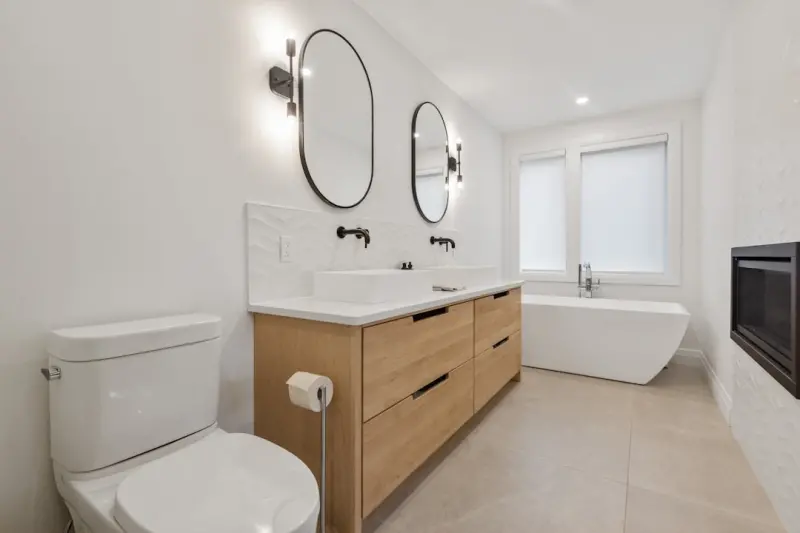
Why Your Next Bathroom Renovation Should Be a Wellness Project
When I first started consulting on commercial properties, I learned that a space isn’t just a container for activity – it’s a catalyst for feeling. The same principle applies to residential bathrooms, but it’s often overlooked in favor of pure aesthetics or cost‑cutting. In this post I’ll walk you through a fresh, wellness‑first framework for bathroom renovations that blends design psychology, sustainable material choices, and low‑key tech to create a sanctuary you actually want to spend time in.
1. Start with the Senses: Color, Light, and Sound
Color is the fastest way to influence mood. While crisp white tiles feel clean, they can also feel sterile. Soft, muted hues like sage green, warm greys, or even a subtle lavender can trigger calm without compromising the bright, airy feel of a modern bathroom. Pro tip: paint only the upper wall or use a colored accent strip behind the vanity to keep the floor neutral for easy cleaning.
Lighting goes beyond illumination. Layered lighting – ambient, task, and accent – lets you set the vibe for different moments. A dimmable LED vanity mirror paired with a warm recessed ceiling light creates a spa‑like ambiance for evening routines, while bright, cool‑tone lights are ideal for morning grooming.
Acoustics rarely get a mention, yet a noisy bathroom can sabotage the sense of tranquility you’re after. Consider acoustic ceiling tiles or a simple waterproof wall panel made from reclaimed cork. These materials absorb the echo of running water and ventilation fans, turning the space into a quiet retreat.
2. Materials That Do More Than Look Good
Choosing the right materials is where sustainability and wellness intersect. Here are three smart options that elevate both form and function:
- Recycled concrete tiles – You might think concrete belongs only in industrial spaces, but recycled concrete tiles offer a gritty texture, thermal mass, and a story of upcycling that resonates with eco‑conscious homeowners.
- Porcelain slabs with built‑in micro‑cavities – These allow for underfloor heating without extra pipework, delivering gentle warmth that encourages longer, more relaxing showers.
- Low‑VOC paints and sealants – Reducing off‑gassing improves indoor air quality, which is crucial in a room that often houses humid, warm air.
When you select materials that are both beautiful and environmentally responsible, you’re not just renovating a bathroom; you’re reinforcing a mindset of mindful consumption.
3. Smart, Yet Subtle, Water Management
Water is the lifeblood of any bathroom, but modern renovations can make it a resource you manage intelligently without turning the space into a gadget‑showcase. A bathtub refinishing approach can extend the life of your existing tub, reducing the demand for new materials and the water required for manufacturing. Pair this with a low‑flow faucet and a dual‑flush toilet, and you cut consumption without sacrificing performance.
For those who want to go a step further, integrating a rainwater harvesting system (even a modest one that feeds a decorative indoor planter) can make the bathroom feel more connected to nature. Check out our guide on harvesting rain for ideas on low‑maintenance collection tanks that sit discreetly behind a vanity.
4. Re‑think Storage: The Hidden Wellness Factor
Clutter is the silent stressor in any room. In a bathroom, it’s especially problematic because it can trap moisture and foster mold. Instead of the classic open shelves, opt for recessed niches that keep toiletries out of sight while preserving wall space. If you love the look of wood, choose a water‑resistant composite that mimics timber but won’t warp over time.
Another clever tactic is to use vertical storage. Install a slim ladder shelf next to the bathtub for plush towels, and a narrow pull‑out drawer in the vanity for everyday essentials. This keeps the floor clear, encourages a clean visual line, and makes daily routines smoother – a subtle but powerful boost to mental wellbeing.
5. Bring Nature Inside – Without a Full‑Scale Biophilic Overhaul
You’ve likely seen the biophilic flex spaces trend that incorporates living walls and indoor trees. For bathrooms, you don’t need a full‑scale forest; a few well‑chosen plants can do the trick. Choose humidity‑loving species such as Boston fern, spider plant, or peace lily. Not only do they improve air quality, but their green presence also lowers cortisol levels, making the bathroom feel like a personal oasis.
Pro tip: place the plants near a vent that pushes warm, moist air upward, ensuring they thrive and you avoid mildew on the surrounding surfaces.
6. The Subtle Role of Technology
When I say “smart,” I’m not talking about voice‑controlled showers or wall‑mounted tablets. The real value lies in technologies that operate in the background, enhancing comfort while staying invisible:
- Leak detection sensors – Small devices tucked under the vanity that alert you to hidden leaks before they become costly water damage.
- Smart ventilation – A humidity‑sensing exhaust fan that ramps up automatically when you shower, then shuts down when the air dries, preventing mold growth.
- Programmable heated floors – Set a schedule so the floor is warm when you step out of the shower, eliminating that shocking cold feeling.
These upgrades require minimal UI interaction but deliver measurable improvements to both health and maintenance costs.
7. Accessibility as a Wellness Pillar
Designing for universal accessibility isn’t just about aging in place; it’s a wellness strategy that reduces physical strain for everyone. Consider a curbless shower entry, grab bars with sleek finishes, and a floating vanity at a comfortable height. These features improve safety, lower the risk of injury, and make daily routines less taxing – all of which contribute to a calmer mental state.
8. Budgeting for Long‑Term Value
It’s tempting to chase cheap tiles and fixtures, but a short‑term savings approach can undermine the wellness goal. Here’s a quick framework to allocate your budget wisely:
- 40% – Core infrastructure: waterproofing, plumbing upgrades, and durable flooring. These are the foundation of any healthy bathroom.
- 30% – Materials & finishes: high‑quality tiles, sustainable countertops, and the recycled concrete options mentioned earlier.
- 20% – Wellness elements: lighting, acoustic treatments, and biophilic touches.
- 10% – Smart features: leak sensors, ventilation, and programmable heating.
By investing more where it matters most, you’ll enjoy lower operating costs, fewer repairs, and a space that supports your health for years to come.
9. A Step‑by‑Step Renovation Checklist
To keep the project on track, follow this streamlined checklist:
- Define your wellness goals: Do you prioritize relaxation, energy, or both?
- Audit the existing space: Identify leaks, inadequate lighting, and storage bottlenecks.
- Select materials: Prioritize recycled, low‑VOC, and moisture‑resistant options.
- Plan the layout: Ensure clear circulation, a curbless shower entry, and adequate space for plants.
- Integrate tech quietly: Choose sensors and ventilation that blend with the design.
- Finalize lighting scheme: Layered, dimmable, and warm‑tone fixtures.
- Install acoustic solutions: Cork panels or acoustic ceiling tiles.
- Finish with accessories: Soft towels, natural‑stone soap dishes, and subtle aromatherapy diffusers.
Cross‑checking each step against your wellness goals will keep the renovation focused and prevent scope creep.
Conclusion: The Bathroom as a Daily Retreat
Renovating a bathroom is often seen as a functional upgrade, but by approaching it through a wellness lens you unlock a host of benefits – better mental health, lower utility bills, and a home that truly supports your lifestyle. Remember, the key is balance: combine thoughtful color, soft lighting, sustainable materials, discreet technology, and a touch of nature. When you do, you’ll turn an ordinary bathroom into a daily retreat that rejuvenates body and mind.

Craig Brett is a freelancer with a passion for the outdoors. His love for nature inspires his work, bringing authentic and engaging perspectives to projects related to outdoor activities, adventure, and environmental topics.
Related Posts
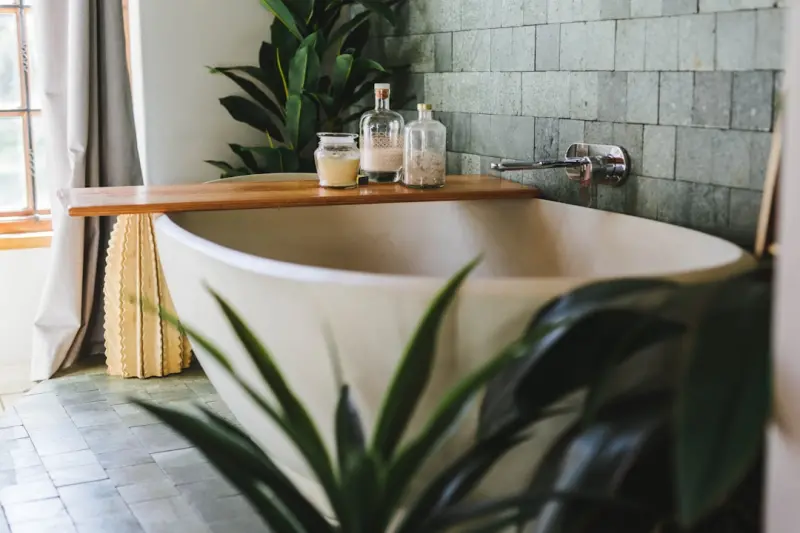
Designing an Aging‑In‑Place Bathroom That Grows With You
Discover practical, budget‑friendly strategies for designing an aging‑in‑place bathroom that b... Read More
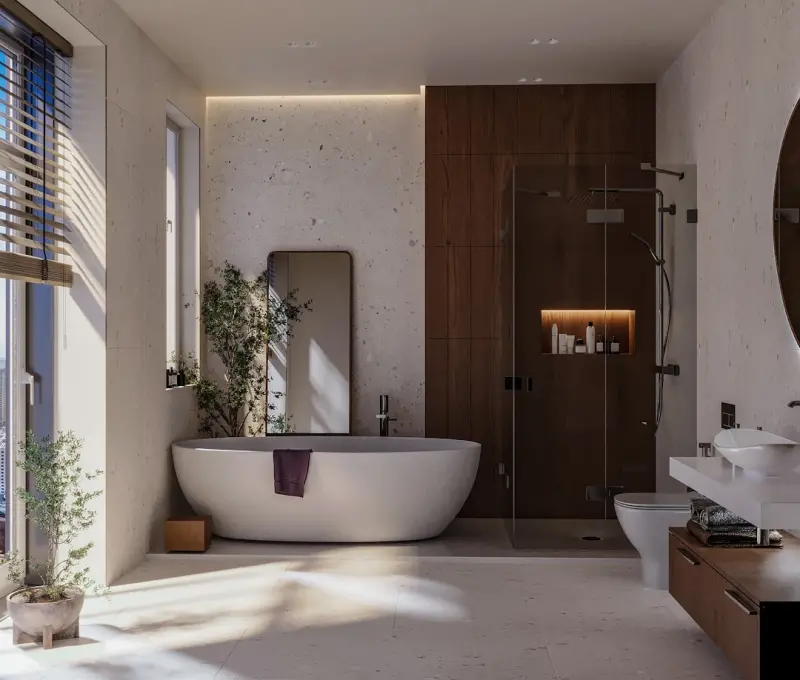
Reimagining the Bathroom: Sustainable, Smart, and Inclusive Design
Discover how to create a bathroom that balances sustainability, intelligent technology, and inclusiv... Read More
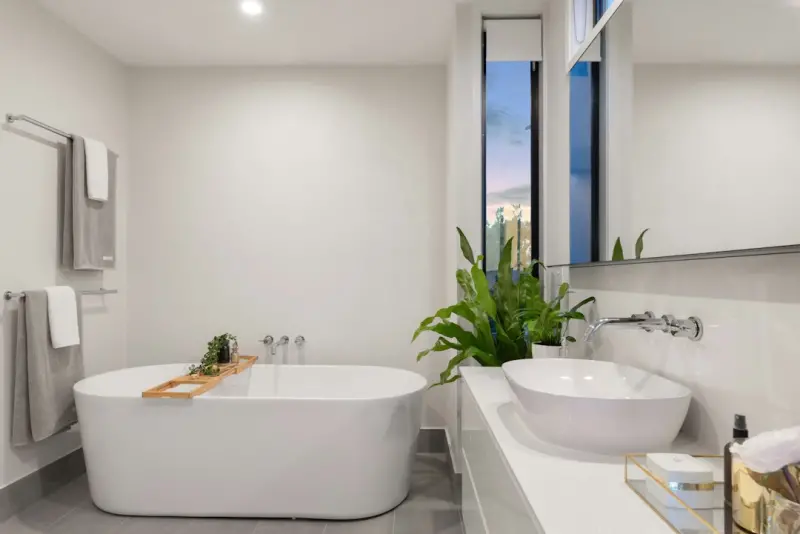
Why a Bathroom Should Feel Like a Personal Spa, Not Just a Functional Room
Why a Bathroom Should Feel Like a Personal Spa, Not Just a Functional Room When I first stepped into... Read More
Top Posts
When Floors Do More Than Support: The Rise of Intelligent, Adaptive Flooring
Discover the emerging world of intelligent adaptive flooring, where smart materials and sensor networks turn floors into proactive, sustainable partners in mode...Read More
Sustainable Architecture: Crafting Buildings That Breathe and Endure
Discover the architect’s journey toward truly sustainable design—integrating passive strategies, green roofs, smart systems, and lifecycle thinking to build...Read More
Rethinking Gutters: From Drainage to Strategic Water Assets
A fresh look at gutters reveals their potential as water‑harvesting, data‑collecting, and climate‑resilient assets, offering sustainability and cost benef...Read More
Seasonal Weatherproofing: A DIY Playbook for a Resilient Home
Learn how to fortify your house for every season with simple, cost‑effective measures—from window sealing to landscape grading—so storms, drafts, and mois...Read More
0 Comments
Post Comment
You will need to Login or Register to comment on this post!