

Why Reactive Repairs Are Killing Your Bottom Line
When I first stepped onto the property‑management scene, my inbox resembled a war zone: burst pipes at 2 a.m., a cracked facade that threatened to collapse, and a HVAC system that chose the hottest day of summer to quit. I was constantly firefighting, and each emergency left a dent in the budget and a scar on tenant satisfaction. It took me years to realize that the true enemy wasn’t the broken equipment—it was my reactive mindset. The moment I shifted to a proactive, data‑driven maintenance strategy, the chaos quieted, the expenses flattened, and my properties began to feel like well‑tuned instruments rather than ticking time‑bombs.
The Hidden Cost of “Just‑Fix‑It”
Most property owners view maintenance as a line‑item that can be trimmed when cash gets tight. The reality is far more insidious. Every time you postpone a small repair, you’re not just delaying an expense—you’re compounding risk. A leaky faucet, if ignored, can cause water damage that weakens structural components, leading to mold, increased energy consumption, and even health code violations. Those hidden costs accumulate silently, often surfacing as a massive capital‑expenditure project that could have been avoided with a little foresight.
Enter Predictive Maintenance: The Game‑Changer
Predictive maintenance isn’t a buzzword reserved for factories or aerospace. It’s a practical, technology‑enabled approach that lets property managers anticipate failures before they happen. By leveraging IoT sensors, cloud analytics, and simple trend‑monitoring, you can transform your property from a “repair‑on‑demand” model to a “maintenance‑by‑design” model. Think of it as giving your building a daily health check‑up, complete with vitals, lab results, and a doctor’s recommendation.
Step 1: Mapping Critical Assets
Before you install a single sensor, you need to know what to watch. Start with a comprehensive asset inventory: roofs, foundations, plumbing, electrical panels, elevators, HVAC units, fire‑suppression systems, and even the landscaping irrigation network. Prioritize based on three criteria:
- Impact on tenant safety – Anything that could jeopardize occupant well‑being jumps to the top.
- Cost of failure – High‑value equipment like chillers or fire pumps merit close monitoring.
- Frequency of past issues – Historical data often points to hidden weaknesses.
This exercise not only clarifies where to allocate resources but also provides the backbone for a future‑proof maintenance schedule.
Step 2: Deploying the Right Sensors
Not every asset needs a high‑end sensor suite. Here’s a quick cheat sheet:
- Temperature & humidity probes for server rooms, basements, and attic spaces to flag condensation risks.
- Vibration meters on rotating equipment (boilers, pumps, elevators) to detect imbalance before bearings fail.
- Pressure transducers on water lines to catch drops that signal leaks or pipe blockages.
- Energy meters on major circuits to spot abnormal spikes that could indicate failing insulation or overloaded loads.
All of these devices feed data into a central dashboard where patterns emerge—often before anyone even notices a drip.
Step 3: Turning Data Into Actionable Insights
Raw numbers are useless without context. The magic happens when you pair sensor feeds with predictive algorithms. Simple rule‑based alerts (e.g., “temperature > 85°F for 48 hours”) work for many scenarios. For larger portfolios, machine‑learning models can learn the normal operating envelope of each asset and flag deviations that humans would miss.
When an alert fires, the system should automatically generate a work order, assign it to the appropriate vendor, and even suggest the likely parts needed. This closed loop eliminates the “who’s on call?” scramble that haunts every property manager at 3 a.m.
Step 4: Building a Trusted Vendor Network
Even the most sophisticated predictive platform is only as good as the people who act on its recommendations. That’s why cultivating a reliable pool of contractors, electricians, plumbers, and specialty service providers is essential. Rather than relying on a “whoever answers the phone” approach, create a vetted roster, track performance metrics, and reward consistency.
For a practical roadmap on how to nurture those relationships, see building a trusted vendor network. The article walks you through referral incentives, service‑level agreements, and the subtle art of turning a one‑off job into a long‑term partnership.
Step 5: Empowering In‑House Teams
Many property owners think that outsourcing everything is the safest bet. In reality, a hybrid model works best. Train your on‑site staff to handle routine tasks—filter replacements, minor leak patches, basic electrical inspections—while reserving external specialists for high‑risk or code‑critical jobs. This not only reduces labor costs but also accelerates response times.
For a deeper dive into cultivating internal skill sets, check out empowering in‑house maintenance teams. It offers a step‑by‑step guide to building confidence and competence without turning your property manager into a jack‑of‑all‑trades.
Step 6: Budgeting for Proactivity, Not Panic
One of the biggest obstacles to predictive maintenance is the perception that it requires a massive upfront spend. In truth, the ROI can be quantified within months. Here’s a simple formula:
Annual Savings = (Cost of Reactive Repairs) – (Predictive Tool Subscription + Sensor Hardware + Training)
Run this calculation with your own historical repair data, and you’ll likely see a break‑even point after 6‑12 months. Moreover, by smoothing out cash‑flow—spreading maintenance spend evenly over the year—you eliminate the dreaded “end‑of‑year repair binge” that throws budgets into disarray.
Step 7: Communicating Value to Stakeholders
When you present a proactive maintenance plan to owners, investors, or board members, focus on three pillars:
- Risk mitigation – Fewer emergencies mean lower liability and insurance premiums.
- Cost predictability – Fixed, scheduled spend beats surprise invoices.
- Tenant satisfaction – Happy occupants renew leases, reducing vacancy turnover.
Back up each claim with data points from your sensor platform: “In the past quarter, we detected three early‑stage HVAC anomalies, averting an estimated $12,000 in emergency repair costs.” Numbers speak louder than anecdotes.
Step 8: Learning from the Past – Early Warning Signs
Even the most modern tech can’t replace the wisdom of seasoned eyes. Over the years, I’ve learned to recognize subtle cues that hint at deeper issues—creaking floorboards that signal structural stress, moisture stains that prelude mold, or a faint hum from a pump that indicates wear. Pairing these human observations with sensor data creates a robust safety net.
If you want to sharpen your eye for such symptoms, revisit early warning signs for building health. The piece offers a checklist that dovetails perfectly with a sensor‑driven approach.
Step 9: Scaling the System Across Portfolios
What works for a single multifamily building should be replicable across dozens of properties. Cloud‑based maintenance platforms make scaling painless: you can roll out a standardized sensor suite, centralize data, and apply the same alert thresholds across the board. However, remember to calibrate for regional differences—climate, building age, and local code variations all influence sensor thresholds.
Step 10: The Future Is Continuous Improvement
Predictive maintenance isn’t a set‑and‑forget solution; it evolves. As you collect more data, refine your algorithms, expand your vendor pool, and train your staff, you’ll discover new efficiencies. Schedule quarterly reviews to assess false‑positive rates, adjust sensor placement, and revisit budget allocations. Treat the system as a living organism, and it will reward you with lower costs, happier tenants, and a reputation for excellence.
Takeaway: From Crisis Management to Care Management
If you’re still stuck in the cycle of emergency calls, know that a shift is possible—today, not tomorrow. Start small: pick one high‑risk asset, install a sensor, and watch the data flow. Expand gradually, involve your team, and watch the panic button become a thing of the past. Property maintenance, when approached with foresight and technology, transforms from a dreaded expense into a strategic advantage.

When it comes to the world of blogging and writing, Rose DesRochers is a name that stands out. Her passion for creating quality content and connecting with her audience has made her a trusted voice in the industry. Aside from her skills as a writer and blogger, Rose is also known for her compassionate nature.
Related Posts
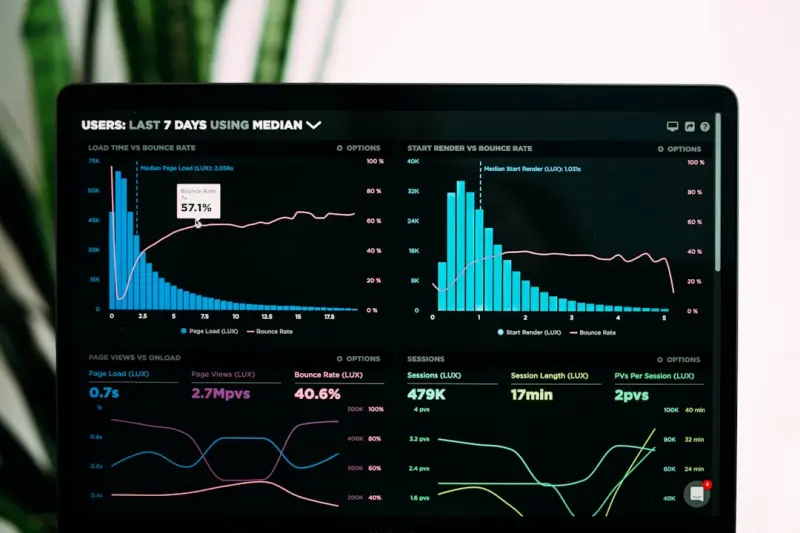
Predictive Maintenance: Turning Data Into Your Property’s Superpower
Predictive maintenance uses IoT sensors and AI to anticipate failures before they happen, reducing e... Read More

The Hidden Power of Routine Property Maintenance: A Lifestyle Upgrade
Explore a fresh approach to property upkeep that blends mindfulness, smart tech, and community suppo... Read More

Proactive Façade Maintenance: Leveraging IoT for Smarter Property Care
A sensor‑driven, data‑rich approach to façade upkeep can slash emergency repair costs, boost te... Read More
Top Posts

Paving the Way: How Modern Surfaces Transform Outdoor Living
Explore fresh paving trends that combine eco‑friendly materials, smart tech, and artistic patterns to turn ordinary walkways into sustainable, eye‑catching ...Read More
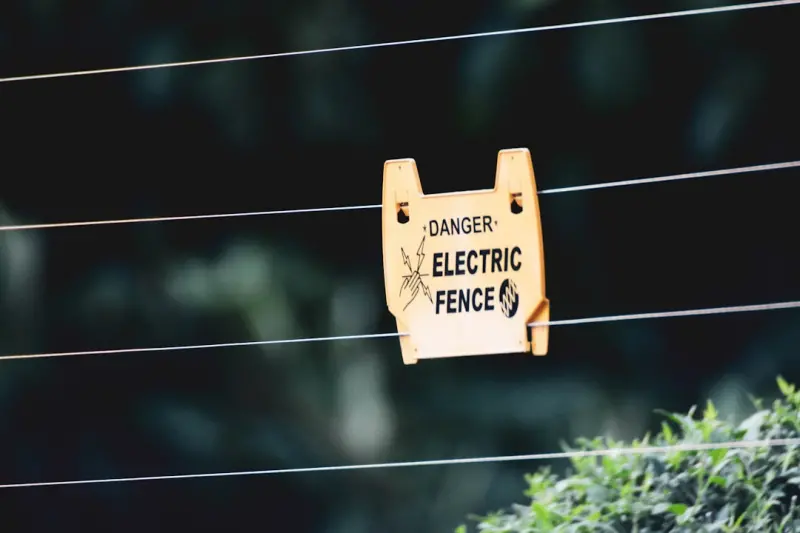
Smart Fences: Turning Perimeters Into Living, Learning, and Securing Platforms
Explore the evolution of fencing from a static barrier to a smart, living system that integrates IoT sensors, renewable energy, and edible landscaping, deliveri...Read More

Turn Your Home into a Quiet Tech Haven: Everyday Hacks for Comfort and Efficiency
A practical guide to everyday home upgrades—from layered lighting and modular storage to simple air‑quality sensors—offering low‑cost, tech‑savvy hack...Read More

Electrifying the Future: How Dynamic Power Distribution Is Redefining Modern Workspaces
Dynamic power distribution replaces static circuits with modular, AI‑driven hubs, delivering real‑time load balancing, safety, and energy savings for modern...Read More
0 Comments
Post Comment
You will need to Login or Register to comment on this post!