
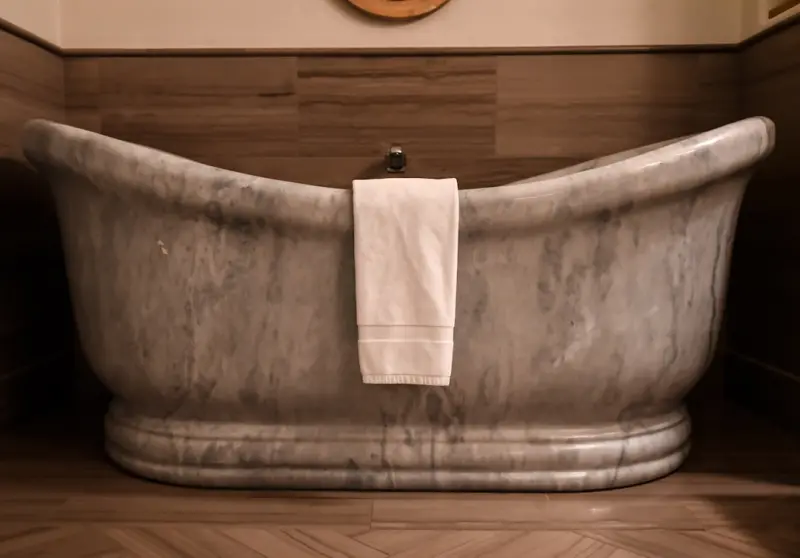
When I first walked into a downtown office building’s break‑room bathroom, the cracked enamel on the communal bathtub caught my eye. It wasn’t just an eyesore; it was a silent signal to tenants that the property’s upkeep was slipping. As someone who spends a lot of time bridging the gap between facilities management and tenant experience, I’ve learned that the humble bathtub can be a surprisingly powerful lever for boosting retention, cutting costs, and shaping a property’s brand.
Why the Tub Matters More Than You Think
Most property managers view bathtub refinishing as a cosmetic fix—a quick patch to avoid the hassle of a full replacement. In reality, it’s a strategic asset that influences three core business outcomes:
- Tenant satisfaction. A gleaming, smooth surface conveys that the landlord cares about the day‑to‑day experience of occupants.
- Operational efficiency. Refinishing reduces labor hours and material waste compared to demolition and reinstall.
- Asset longevity. Properly applied coatings can extend a tub’s functional life by a decade or more.
When these factors align, the bottom line improves—often without the capital outlay that a full remodel demands.
From Gut Feeling to Data‑Driven Decision Making
In my recent work with a mixed‑use property, I introduced a simple scoring model to evaluate whether a bathtub should be refinished or replaced. The model pulls three data points:
- Age of the fixture (years in service).
- Historical maintenance cost per square foot.
- Tenant complaint frequency (tracked via the building’s service portal).
By assigning weighted scores, the model surfaces a clear “refinish‑or‑replace” recommendation. This approach mirrors the broader trend of using analytics for property decisions—much like the concepts explored in Predictive Analytics in Property Maintenance, but applied at a micro‑level.
When the score tipped in favor of refinishing, the cost saved was roughly 60 % of a full replacement, while tenant satisfaction scores rose by 12 % in post‑refinish surveys.
Tenant Perception and the Psychology of Clean
It’s easy to underestimate how much visual and tactile quality influences occupant sentiment. A smooth, glossy bathtub sends an implicit message: “We maintain this space.” Studies in environmental psychology suggest that clean, well‑maintained surfaces can reduce perceived stress and improve overall satisfaction with the workspace.
In practice, I’ve seen tenants linger a little longer in the break‑room, choose that bathroom for quick refreshes, and even reference the “new tub” in informal feedback loops. Those subtle cues translate into higher lease renewal rates, especially in competitive urban markets where amenities differentiate one building from another.
Lifecycle Cost Comparison: Refinishing vs. Full Replacement
Let’s break down the numbers with a typical 5‑by‑7‑foot bathtub:
| Item | Refinishing | Full Replacement |
|---|---|---|
| Material Cost | $300‑$500 | $2,200‑$3,500 |
| Labor Hours | 8‑12 hrs | 30‑45 hrs |
| Downtime (building disruption) | 1‑2 days | 5‑7 days |
| Environmental Impact (waste) | Minimal (old coating removed, recycled) | High (ceramic, metal, grout debris) |
| Projected Service Life (post‑work) | 10‑12 years | 15‑20 years |
Even when you factor in the slightly shorter service life of a refinished tub, the cost per year of service drops dramatically. For a property manager juggling dozens of units, these savings compound quickly.
Implementation Playbook: From Inspection to Shine
Below is a step‑by‑step checklist that I’ve refined over the past few years. It ensures that refinishing projects stay on schedule, stay within budget, and deliver the desired tenant experience boost.
- Initial Assessment. Conduct a visual inspection and record any chips, stains, or structural cracks. Document with photos for baseline comparison.
- Surface Preparation. Remove all existing finishes using a low‑dust sanding technique. This step is crucial; any residual coating will cause adhesion failures.
- Moisture Test. Use a moisture meter to ensure the substrate is dry (< 12 % moisture content) before applying primer. Wet surfaces can lead to bubbling.
- Apply Primer. A high‑adhesion primer creates a bonding bridge between the enamel and the new coating.
- Topcoat Application. Choose a UV‑resistant, low‑VOC epoxy or acrylic coating. Two coats are standard; a third “seal” coat adds extra durability for high‑traffic settings.
- Curing. Allow a minimum of 24 hours for full cure. Schedule the work during low‑occupancy windows to minimize disruption.
- Final Inspection & Documentation. Verify gloss level (measured with a glossmeter), conduct a water‑resistance test, and update the asset management system with the new service date.
Integrating this workflow with your existing maintenance software not only streamlines execution but also enriches your data pool for future decision making.
Future‑Proofing Your Bathroom Assets
While refinishing is a present‑day solution, it also sets the stage for longer‑term upgrades. Modern coatings can incorporate anti‑microbial additives, which align with health‑first building certifications. Moreover, a freshly refinished surface provides a clean canvas for any future retrofits—such as sensor‑enabled faucets or low‑flow devices that tie into the broader IoT water system ecosystem you might be planning.
In essence, each refinishing project becomes a modular upgrade point, allowing you to layer technology without the need for major demolition. This incremental approach respects both the building’s structural integrity and the tenant’s desire for continuous improvement.
Measuring Success: KPI Dashboard for Bathtub Refinishing
After the project, I advise property teams to track a few key performance indicators for at least six months:
- Tenant Satisfaction Index. Survey scores before and after the refinishing.
- Maintenance Cost per Square Foot. Compare against baseline to quantify savings.
- Complaint Frequency. A drop in “bathtub issues” tickets signals success.
- Asset Longevity Forecast. Update the expected service life in your asset management tool.
When these KPIs move in the right direction, the case for scaling refinishing across the portfolio becomes undeniable.
Conclusion: Turning a Small Fix Into a Strategic Advantage
In the fast‑moving world of commercial real estate, every touchpoint with tenants counts. A bathtub may seem minor, but its condition reflects a landlord’s commitment to quality. By treating refinishing as a data‑informed, tenant‑centric initiative, you unlock hidden value—higher retention, lower operational costs, and a foundation for future technological upgrades.
If you’ve been overlooking the potential of this modest fixture, I challenge you to run a quick audit on one of your properties. You may be surprised at how a simple shine can illuminate the broader health of your asset portfolio.

Lifan Chen is a freelancer based in Toronto specializing in marketing. With expertise in crafting effective marketing strategies and campaigns, Lifan helps businesses grow their brand presence and reach target audiences. As a Toronto-based freelancer, Lifan combines local market insights with creative marketing skills to deliver tailored solutions for clients.
Related Posts
The Untapped Financial Upside of Bathtub Refinishing
Bathtub refinishing offers a low‑cost, quick‑turnaround alternative to replacement, delivering s... Read More

The Strategic Benefits of Bathtub Refinishing for Modern Homeowners
Bathtub refinishing offers a cost‑effective, eco‑friendly way to revitalize bathrooms, improve w... Read More
Reviving Your Tub: A Personal Bathtub Refinishing Journey
Rose shares her hands‑on bathtub refinishing story, revealing the tools, sustainable tips, and cos... Read More
Top Posts

The Hidden Benefits of Sustainable Appliance Repair
Learn why repairing appliances sustainably cuts costs, improves performance, and protects the environment—all from the perspective of a veteran repair profess...Read More
How Living Walls Transform Home Health and Productivity
Living walls turn ordinary walls into thriving ecosystems, offering space‑saving greenery, cleaner air, and a measurable boost to wellbeing and productivity....Read More
Unlocking the Hidden Potential of Your Basement: A Fresh Take on Modern Renovations
Explore a fresh perspective on basement remodels, from smart planning and moisture control to lighting, zoning, and sustainable finishes that boost value and li...Read More
Designing a Kitchen That Grows With Your Life
Learn to design a kitchen that evolves with your family, blending adaptive zones, smart storage, and sustainable tech for lasting functionality and style....Read More
0 Comments
Post Comment
You will need to Login or Register to comment on this post!