
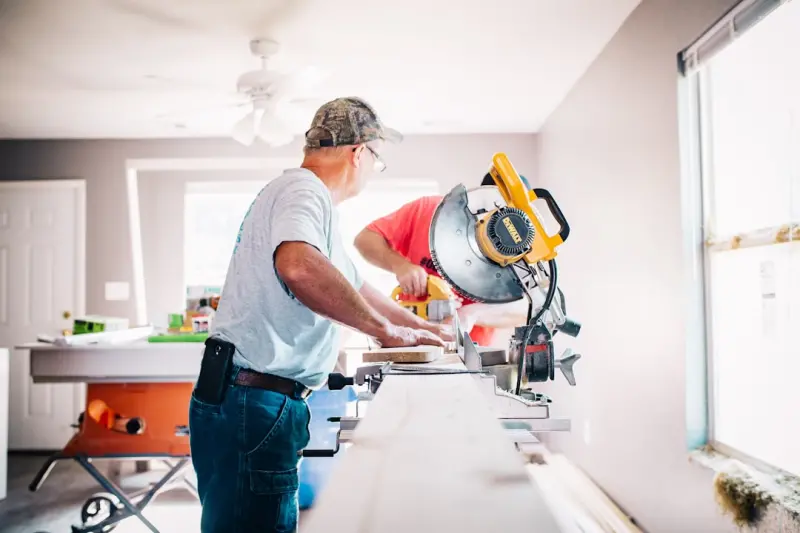
Why a DIY Repair Mindset Beats the Call‑Out
I still remember the first time I wrestled a stubborn bathroom faucet loose; the metallic squeal, the splash of cold water, and the sudden pride when I heard it click shut – that moment cemented my belief that a homeowner armed with the right approach can outsmart a professional in many everyday repairs. Over the years I’ve swapped countless “handyman‑hour” appointments for late‑night experiments in my own garage, discovering that confidence grows faster than the cost of a service call. Every successful fix becomes a proof point that you own not just your home, but the knowledge to keep it humming without relying on external schedules.
Mapping the Problem Before You Grab a Wrench
Before I ever reach for a screwdriver, I treat each repair like a mini‑investigation: I note the symptoms, trace the root cause, and set a realistic goal for what “fixed” looks like, whether it’s a squeaky door that stays shut or a leaky pipe that holds under pressure for a full week. This disciplined scouting saves hours of guesswork and prevents the dreaded “fix‑and‑break” cycle that many casual DIYers fall into when they skip the diagnostic step. By documenting the issue with a quick photo or scribble, I also create a visual checklist that guides the entire project from start to finish.
Building a Minimalist, Yet Mighty, Toolbox
My toolbox reads like a condensed version of a contractor’s kit, focusing on high‑leverage tools that handle the majority of household ailments: a 12‑inch claw hammer, a set of metric and imperial screwdrivers, a compact adjustable wrench, a cordless drill with assorted bits, and a reliable pair of needle‑nose pliers for those tight corners. I also keep a small roll of electrical tape, a multipurpose utility knife, and a sturdy set of level‑led sandpaper for finishing touches. By limiting myself to these essentials, I avoid the clutter of rarely used gadgets while still being prepared for the most common repairs that pop up on a typical weekend.
Targeted Quick Fixes for the Most Annoying Household Gremlins
When a door’s hinge starts whining, a simple application of a few drops of high‑viscosity oil and a tightened screw can silence it for months, eliminating that irritating creak that signals an upcoming night‑time wake‑up call. A leaky faucet, on the other hand, often yields to a fresh O‑ring and a tightened packing nut, a repair that most homeowners can master in under an hour with just a wrench and a steady hand. For those stubborn cracked tiles in the kitchen, I recommend removing the damaged piece, cleaning the substrate, and setting a replacement using thin‑set mortar; the result looks seamless and avoids the visual distraction of an uneven floor. If you’re looking to blend function with sustainability, consider pairing the replacement with a reclaimed wood border – a perfect excuse to dive into reclaimed wood projects that add character while reusing material you already have.
Turning Budget Constraints into Creative Opportunities
Every repair budget begins with an inventory of what you already own; often the missing piece is a simple material that can be salvaged from another area of the house, like using a spare piece of sheet metal to patch a drywall hole or repurposing an old towel as a makeshift rag for cleaning spills. I keep a “materials bin” in the garage where I stash off‑cuts, spare hinges, and even old carpet remnants, which come in handy for quick patches and prevent unnecessary purchases. When a larger project does require new supplies, I compare prices across local hardware stores and online marketplaces, leveraging sales and bulk discounts to keep costs low without sacrificing quality. This frugal mindset not only stretches your dollar but also encourages a culture of reuse that aligns with the growing DIY sustainability movement.
Safety First: The Non‑Negotiable Rules
Even the simplest repair can turn risky without proper precautions: I always turn off electricity at the breaker before tackling any outlet, and I use a drop cloth beneath ladders to protect flooring and prevent slips. Personal protective equipment is a must; a pair of safety glasses guards against flying debris, while sturdy work gloves protect hands when handling sharp or rough materials. For projects involving heavy lifting, I never hesitate to use a small hand truck or enlist a neighbor for extra muscle, as the risk of a back injury far outweighs the pride of “going it alone.” By embedding these safety habits into every repair, you not only safeguard yourself but also set a responsible example for anyone else who might follow in your footsteps.
Documenting the Journey: From Mistake to Mastery
Every successful repair earns a spot in my growing digital journal, where I log the problem, the tools used, the step‑by‑step process, and the final outcome; over time this becomes a searchable archive that speeds up future fixes and helps pinpoint recurring issues before they snowball. I also like to capture before‑and‑after photos and share a concise write‑up on my personal blog, which has turned into a valuable resource for friends and neighbors seeking guidance. By reflecting on each project, I can identify patterns—like a leaky pipe that repeatedly resurfaces due to hidden corrosion—prompting a more permanent solution rather than endless patch‑ups. This habit of documentation transforms isolated repairs into a continuous learning loop that elevates your competence and confidence.
From One‑Off Repairs to a Culture of Home Empowerment
When you shift from reacting to household problems to proactively maintaining your home, you unlock a sense of empowerment that ripples through every aspect of daily life; the knowledge that you can handle a stuck drawer, a jammed dryer, or a faulty light switch without panic is priceless. I encourage fellow homeowners to schedule a quarterly “repair sprint,” a dedicated few hours to audit, tighten, and upgrade the small components that keep a house running smoothly, from checking the smart gutter monitoring sensors to refreshing the proactive carpet cleaning routine that extends carpet life. By embedding this rhythm into your routine, you not only preserve property value but also cultivate a mindset that embraces challenges as opportunities for creative problem‑solving, turning your home into a showcase of personal mastery.

William Roy is a freelance writer originally from Montreal who moved to Ottawa with his wife of 50 years to be closer to their grandkids. Alongside his writing, William has a passion for fishing.
Related Posts
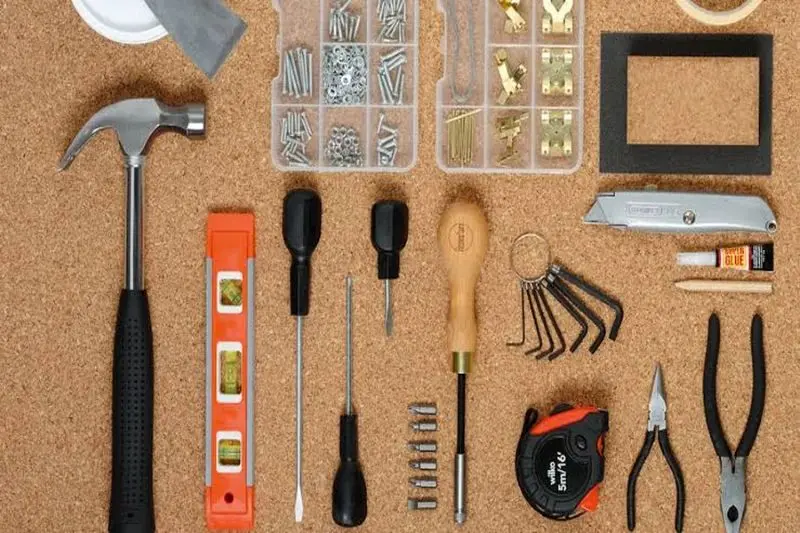
DIY Home Repair Toolkit: Simple Strategies for Everyday Fixes
Discover a practical DIY repair toolkit, step‑by‑step fixes for leaky faucets, squeaky doors, an... Read More

Unlocking Hidden Comfort: DIY Insulation Hacks for Every Room
A practical, room‑by‑room guide shows how simple DIY insulation upgrades can dramatically improv... Read More

Breathe New Life Into Vintage Windows: A DIY Home Repair Blueprint
Discover a comprehensive DIY process for restoring vintage wooden windows, from assessing damage and... Read More
Top Posts

Smart Entryways: How Connected Windows & Doors Redefine Building Performance
This article examines the shift from static doors and windows to intelligent, sensor‑rich entry points that deliver energy savings, enhanced security, and pre...Read More

Reimagining Home Offices: Biophilic Design Meets Adaptive Furniture
Discover how to blend natural elements with flexible furniture to build a home office that boosts productivity, reduces stress, and adapts to evolving work habi...Read More

The Bathroom Renaissance: Turning Everyday Spaces into Wellness Sanctuaries
A bathroom can be more than a functional room; it can become a wellness sanctuary. This guide walks you through sensory design, circular‑economy materials, in...Read More

Creating a Multi‑Generational Home Addition That Works for Everyone
A multi‑generational home addition blends accessibility, flexibility, and smart design to keep families close while respecting privacy and modern work needs. ...Read More
0 Comments
Post Comment
You will need to Login or Register to comment on this post!