
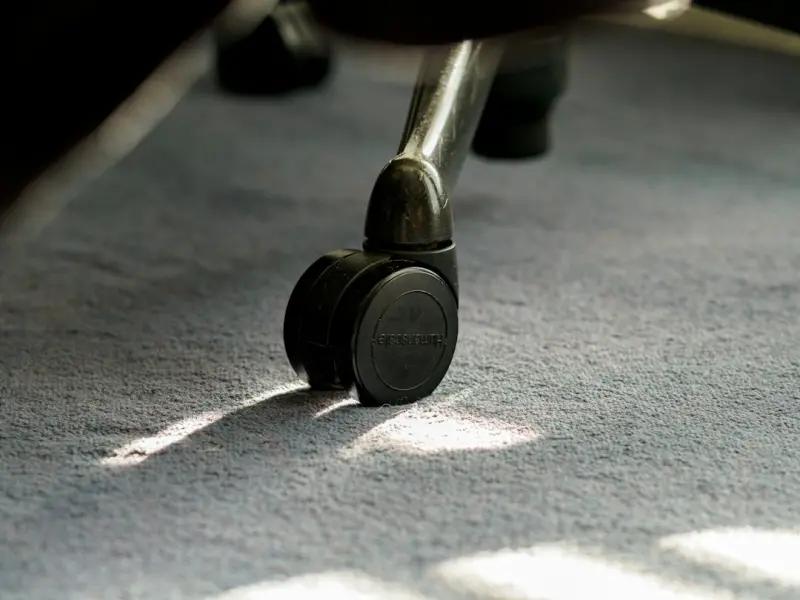
The Quiet Power of Clean Carpets: Boosting Health, Comfort, and Bottom‑Line Performance
When I first walked into a newly‑renovated office and felt the plush, immaculate carpet beneath my shoes, I sensed something more than just a visual upgrade. The subtle scent of fresh fibers, the softness underfoot, the way dust no longer clung to my clothes – it was a silent promise of a healthier, more productive environment. As someone who’s spent the last decade managing commercial spaces, I’ve learned that carpets are not just decorative layers; they are dynamic ecosystems that can either elevate or erode the performance of a building.
Carpets as Living Systems: What Lies Beneath the Surface
Most property owners treat carpet cleaning as a routine chore: vacuum weekly, spot‑clean spills, call a service once a year. This approach overlooks the fact that carpets act as filters for airborne particles, moisture, and microbial life. Over time, they accumulate:
- Fine dust and allergens that recirculate with HVAC airflow.
- Micro‑fibers from upholstery and clothing that degrade indoor air quality.
- Moisture pockets that become breeding grounds for mold, bacteria, and even mold colonies.
The cumulative effect is a hidden health risk that can manifest as employee sick days, reduced focus, and even long‑term respiratory issues. In my experience, the moment a carpet’s integrity is compromised, it starts sending subtle signals to the occupants – sneezing fits, itchy throats, and a lingering “stale” smell that no amount of air freshener can mask.
Beyond Aesthetics: The Business Case for Proactive Carpet Care
Let’s get practical. A clean carpet can directly impact three core business metrics:
- Productivity: Studies show that indoor air quality (IAQ) correlates with cognitive performance. When carpets trap pollutants, the IAQ drops, leading to slower decision‑making and increased errors.
- Employee Retention: A well‑maintained workspace signals that the organization cares about its people. This psychological boost reduces turnover and attracts top talent.
- Asset Longevity: Proper cleaning extends the life of the carpet by up to 50 %, protecting the capital investment and delaying costly replacements.
When I pitched a proactive carpet maintenance plan to a mid‑size tech firm, the CFO initially balked at the added expense. After presenting a simple ROI model—factoring in reduced sick‑leave, higher employee satisfaction scores, and a longer carpet lifespan—the decision was unanimous. Within six months, the company reported a 12 % increase in productivity metrics and saved roughly 20 % on their projected carpet replacement budget.
Science‑Backed Cleaning Methods That Actually Work
There’s a lot of noise in the market: steam cleaning, encapsulation, dry‑powder extraction, and the new “green‑enzyme” solutions. Not all are created equal. Here’s what I’ve found to be the most effective, based on field trials and vendor certifications:
1. Hot‑Water Extraction (Steam) – The Gold Standard
When performed correctly, hot‑water extraction removes 90 %+ of embedded soil. The key is to use a high‑efficiency extractor that maintains water temperature above 140 °F and to follow up with a low‑moisture vacuum to prevent over‑saturation.
2. Encapsulation – Ideal for High‑Traffic Zones
Encapsulation uses polymeric cleaners that crystallize soil particles, allowing them to be vacuumed away. It’s fast, leaves minimal residue, and reduces drying time—a perfect solution for areas that can’t afford long downtimes.
3. Bio‑Based Cleaning Agents – Health‑Focused Alternatives
Increasingly, property managers are opting for plant‑derived cleaners that avoid harsh chemicals. While they may require slightly more labor, the benefit is a carpet that remains free of volatile organic compounds (VOCs), aligning with broader sustainability goals. For a deeper dive into the impact of environmentally friendly flooring on health, see bio‑based flooring.
4. Integrated Data‑Driven Monitoring
Emerging technologies now allow us to embed sensors in carpet backing that track humidity, temperature, and even particulate load. When combined with a building management system, these sensors can trigger cleaning alerts before a problem becomes visible. Learn more about how smart flooring is reshaping workplaces in data‑driven flooring.
DIY vs. Professional: Knowing When to Call the Experts
Homeowners often ask, “Can I just rent a steam cleaner and do it myself?” The answer is nuanced:
- DIY is suitable for: Light, routine maintenance; spot‑treating spills; low‑traffic residential areas.
- Professional service is required for: Deep‑soil extraction, high‑traffic commercial zones, odor removal, and when warranty terms dictate professional care.
One mistake I’ve seen repeatedly is the “DIY overkill” approach—using household cleaners that leave residues, causing carpet fibers to become brittle over time. Professional cleaners bring calibrated equipment, certified solutions, and expertise in handling different fiber types (nylon, wool, polyester, etc.), ensuring the carpet’s structural integrity remains intact.
Creating a Carpet Care Playbook for Your Facility
To turn carpet cleaning from a reactive task into a strategic asset, I recommend the following playbook:
- Assessment Phase: Conduct a baseline inspection with a certified technician. Document foot‑traffic patterns, carpet age, and current IAQ measurements.
- Scheduling Matrix: Align cleaning frequency with usage zones—high‑traffic (e.g., reception, conference rooms) weekly, moderate zones bi‑weekly, low‑traffic quarterly.
- Technology Integration: Deploy moisture and particulate sensors in critical areas. Set threshold alerts for humidity > 60 % or particulate spikes.
- Vendor Qualification: Choose partners who adhere to industry standards (IICRC) and offer transparent reporting on cleaning outcomes.
- Post‑Cleaning Validation: Use ATP (adenosine triphosphate) swabs to verify microbial load reduction. A successful clean should show a >90 % reduction in ATP levels.
- Continuous Improvement: Review cleaning logs quarterly, adjust schedules based on sensor data, and incorporate feedback from occupants.
This systematic approach not only maintains carpet aesthetics but also turns the floor into a proactive health shield for the entire building.
Future Trends: What’s Next for Carpet Care?
Looking ahead, I see three emerging trends that will reshape how we think about carpet maintenance:
Smart Carpets with Embedded Sensors
Beyond simple humidity monitors, future carpets will feature micro‑sensors that detect chemical spills, track footfall counts, and even assess wear patterns. This data will feed into AI‑driven maintenance platforms that schedule cleaning precisely when needed—no more “once a year” mentality.
Closed‑Loop Cleaning Systems
Water‑recycling extractors that capture and treat used cleaning water on‑site are gaining traction. By reducing water consumption and wastewater discharge, these systems align carpet care with broader sustainability targets.
Hybrid Materials
Manufacturers are experimenting with hybrid fibers that combine the durability of synthetic yarns with the natural antimicrobial properties of bamboo or hemp. These carpets will require less frequent deep cleaning, offering a win‑win for maintenance teams and the environment.
Incorporating these innovations now can future‑proof your facility and keep you ahead of regulatory and tenant expectations.
Conclusion: Turn Your Carpet from an Afterthought into a Strategic Advantage
Carpets have long been undervalued, seen merely as decorative floor coverings. Yet, as the data and experience I’ve shared illustrate, they are pivotal to indoor air quality, employee wellbeing, and operational efficiency. By treating carpet care as a strategic, data‑informed process, you not only protect a significant capital investment but also create a healthier, more productive workspace.
If you’re ready to shift from reactive spot‑cleaning to a proactive, performance‑driven carpet strategy, start with a thorough assessment, choose the right cleaning technology, and embrace emerging smart‑carpet solutions. Your occupants—and your bottom line—will thank you.

William Roy is a freelance writer originally from Montreal who moved to Ottawa with his wife of 50 years to be closer to their grandkids. Alongside his writing, William has a passion for fishing.
Related Posts
The Sustainable Path to Spotless Carpets: Modern Cleaning Techniques and Green Practices
Explore how eco‑friendly carpet cleaning blends modern technology, sustainable solutions, and prac... Read More
Predictive Carpet Care: Boosting Facility Performance and Longevity
A data‑driven approach to carpet cleaning transforms a reactive chore into a predictive asset mana... Read More
The Secret Science Behind Spot‑Free Carpets: A Homeowner’s Guide
Explore the hidden science of carpet fibers, stain types, and sustainable cleaning methods that keep... Read More
Top Posts

Beyond Aesthetics: The Untold Story of Countertops That Shape Your Kitchen Experience
Explore the hidden narratives of countertops—from geology and sustainability to health benefits and integrated technology—through a seasoned designer’s ey...Read More
Cultivating a Multi‑Sensory Lawn: A Fresh Approach to Outdoor Well‑Being
Transform your yard into a sensory sanctuary with diverse grasses, herbs, and smart water practices, creating an outdoor space that nurtures mind, body, and the...Read More
Reviving Brick: Modern Masonry Techniques for the Everyday Builder
Explore contemporary masonry strategies—materials, mortar mixes, thin veneer, and sustainable reclamation—to create lasting, stylish walls that bridge indoo...Read More

Biophilic Design‑Build: Crafting Spaces That Breathe and Thrive
A deep dive into biophilic design‑build, showing how nature, smart sensors, and integrated teamwork create healthier, energy‑efficient buildings that enhanc...Read More
0 Comments
Post Comment
You will need to Login or Register to comment on this post!