

Why Furniture Restoration Matters Today
Every piece of furniture carries a silent biography—who crafted it, what moments it witnessed, and why it was eventually set aside. In a world obsessed with the newest trends, restoring an old chair or a weathered dresser is an act of rebellion against disposability. It’s not just about saving money or reducing waste; it’s about honoring the lineage of design, material, and the personal stories that have accumulated on the grain.
Reading the Material DNA
The first step in any successful restoration is a forensic look at the material itself. Wood, metal, upholstery, and finishes each have their own aging patterns. By learning to read these cues, you can decide whether a piece needs a gentle surface cleaning, a structural overhaul, or a complete re‑imagination.
- Wood grain analysis: Look for splits, rot, and insect damage. The color and texture can reveal whether the piece was originally stained, painted, or left natural.
- Metal fatigue: Corrosion spots, bent frames, and loose joints are clues that the metal may need a primer before repainting.
- Upholstery wear: Check the tension of springs, the integrity of the webbing, and the condition of the fabric fibers. Sometimes a simple re‑upholster can transform a tired sofa.
- Finishing layers: Older pieces often have multiple coats of varnish, shellac, or oil. Understanding the layer history helps you choose the right stripping method.
A Step‑by‑Step Revival Framework
While every project is unique, a repeatable framework keeps you from missing critical steps:
- Assessment & Documentation: Photograph the piece from all angles, note measurements, and jot down visible damage. This creates a baseline and helps you track progress.
- Disassembly: Carefully remove hardware, panels, and any removable components. Label each part to avoid confusion during reassembly.
- Cleaning & Decontamination: Use a mild solvent or a dedicated wood cleaner to remove surface grime. For metal, a rust converter can halt further corrosion.
- Structural Repair: Glue cracks, insert dowels, or replace compromised joints. When dealing with load‑bearing frames, consider modern engineered wood inserts for added strength.
- Surface Preparation: Sand the wood or metal to a uniform grit, ensuring you preserve as much original character as possible.
- Finishing: Choose a finish that respects the piece’s era while meeting today’s durability expectations—be it a natural oil, a low‑VOC lacquer, or a matte chalk paint.
- Reassembly & Final Touches: Replace hardware with period‑appropriate knobs or opt for a subtle contemporary contrast. A final polish seals the narrative.
Tools of the Trade (Beyond the Basics)
Professional restorers often reach for tools that bridge the gap between traditional craftsmanship and modern precision. Here are a few that can elevate your work:
- Digital moisture meter: Detect hidden moisture that can cause wood warping or metal corrosion.
- Oscillating multi‑tool: Perfect for tight corners and intricate in‑lays without damaging surrounding material.
- Heat gun with temperature control: Enables gentle removal of old finishes without harsh chemicals.
- Low‑vibration orbital sander: Provides a smooth finish while minimizing the risk of sanding through delicate veneers.
Integrating Modern Sustainability without Losing Soul
Restoration naturally aligns with sustainability, but there’s a temptation to over‑engineer a piece with the latest eco‑friendly materials. The challenge is to stay true to the original while improving longevity. For instance, swapping a single‑piece solid wood leg with a responsibly sourced, reclaimed hardwood can preserve aesthetics and reduce the carbon footprint. This mindset echoes broader circular economy principles, where each material choice loops back into a regenerative system rather than a linear waste stream.
The Role of Narrative in Restoration
Every restoration should answer a simple question: What story will this piece tell after it re‑enters the room? By embedding narrative intent into your process, you create emotional resonance that far exceeds visual appeal. Consider a mid‑century dining table that once hosted family gatherings. Preserving its original patina, while subtly highlighting its grain with a selective oil wash, can evoke memories for a new generation.
Story‑centering also guides decision‑making around what to keep and what to replace. If a particular hardware piece has a distinctive design but is rusted beyond repair, replicating it using modern casting techniques can honor the original look while ensuring durability.
Common Pitfalls and How to Avoid Them
Even seasoned restorers stumble into traps. Below are the most frequent missteps and practical workarounds:
- Over‑sanding: Removing too much material erases the piece’s character. Always sand in stages, checking progress frequently.
- Using the Wrong Finish: A high‑gloss lacquer on a rustic piece creates visual dissonance. Match finish sheen to the era and intended use.
- Neglecting Hidden Damage: Moisture trapped within a core can cause future warping. Employ a moisture meter and, if needed, insert a breathable barrier before sealing.
- Skipping Documentation: Without before‑and‑after records, you lose the ability to learn from each project. Keep a restoration journal.
Future‑Proofing Your Restored Piece
Restoration isn’t just a one‑time event; it’s a commitment to ongoing care. Here are three habits that keep a piece looking its best for decades:
- Regular Dust Management: Use a soft, lint‑free cloth and avoid abrasive cleaners that strip finishes.
- Environmental Controls: Maintain stable humidity (around 45‑55%) and temperature to prevent wood expansion or contraction.
- Periodic Re‑Finishing: Lightly re‑oil or re‑wax high‑traffic surfaces every few years to replenish protective layers.
Bridging the Gap: From Hobbyist to Professional
If you find yourself drawn to the tactile satisfaction of restoration, consider scaling your practice. Offer a limited set of services—perhaps focusing on heirloom pieces or boutique furniture stores—while leveraging the same narrative‑driven approach you’ve honed at home. As you expand, you’ll discover that the same principles that guide a single chair restoration also apply to larger commercial projects, where clients appreciate the handcrafted restoration benefits that add depth to modern interiors.
Health‑Focused Restoration: A Hidden Layer
Beyond aesthetics, restored furniture can improve indoor health. Old upholstery that traps dust mites or volatile organic compounds (VOCs) can be replaced with low‑emission fabrics. Similarly, applying a low‑VOC finish reduces off‑gassing, creating a healthier breathing environment. This perspective aligns with the insights from systemic health checks in building science—addressing hidden contaminants before they affect occupants.
Conclusion: Crafting Tomorrow’s Heritage Today
Furniture restoration is more than a DIY trend; it’s a deliberate act of cultural stewardship. By approaching each piece with a blend of material science, narrative intention, and sustainable foresight, you transform discarded artifacts into living heritage. The next time you run your fingers over a weathered oak leg or a faded brass handle, remember that you are not merely repairing an object—you are reigniting a story that will continue to be told for generations to come.

Paul Gray is a dynamic blogger based in Brampton, where he shares his life with his amazing wife, Sarah. Known for his engaging writing style and relatable insights, Paul has carved out a niche in the blogging world that resonates with readers from all walks of life. When he's not crafting captivating posts, you can find him savoring a cold beer or indulging in the latest blockbuster movie. With a friendly demeanor and a passion for storytelling, Paul brings a unique perspective to his work, making him not just a blogger, but a voice for those who appreciate the simple joys of life.
Related Posts
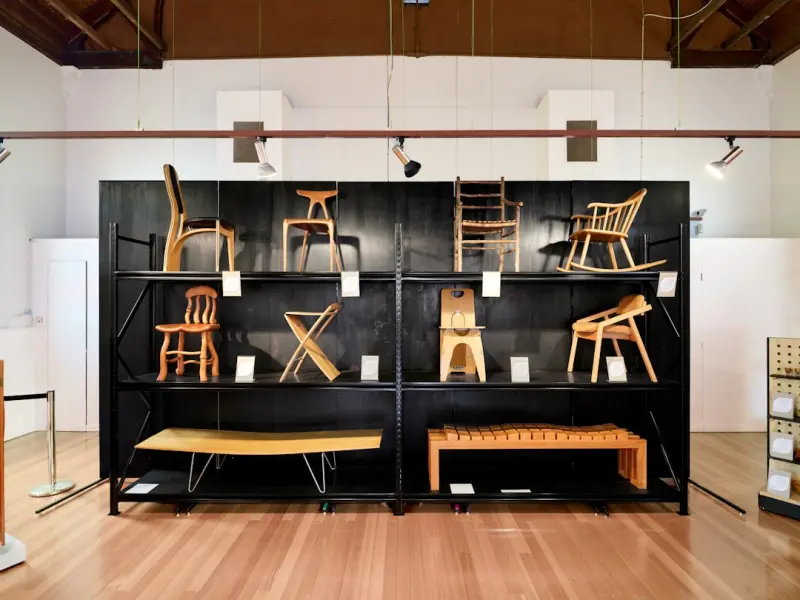
From Dust to Drama: Mastering Sustainable Furniture Restoration
Explore a fresh, sustainable approach to furniture restoration that blends timeless craftsmanship wi... Read More

Reviving Timeless Pieces: A Hands‑On Guide to Furniture Restoration
A detailed, hands‑on guide walks readers through assessing, repairing, and finishing old furniture... Read More

Data‑Driven Furniture Restoration: Turning Tradition into Tech‑Powered Upcycling
Discover how leveraging data, 3‑D scanning, and smart finishes can transform traditional furniture... Read More
Top Posts

The Future of Waterproofing: Sustainable Solutions for a Greener Tomorrow
As the construction industry continues to grow, sustainable waterproofing solutions are becoming increasingly important. Learn how eco-friendly materials and te...Read More

Intelligent Masonry: Building Smarter Walls
Masonry is transitioning from a traditional, static material to a dynamic, data‑enabled building component. By embedding sensors, using low‑carbon bricks, a...Read More
Beyond the Sheet: How Innovative Drywall Practices Are Redefining Interiors
A deep dive into modern drywall trends—from low‑VOC joint compounds and smart tools to moisture‑resistant boards and integrated tech—showing how to crea...Read More

Reviving Forgotten Furniture: A Hands‑On Guide
A hands‑on journey into furniture restoration, covering assessment, repair, finishing, and sustainable storytelling to bring forgotten pieces back to life....Read More
0 Comments
Post Comment
You will need to Login or Register to comment on this post!